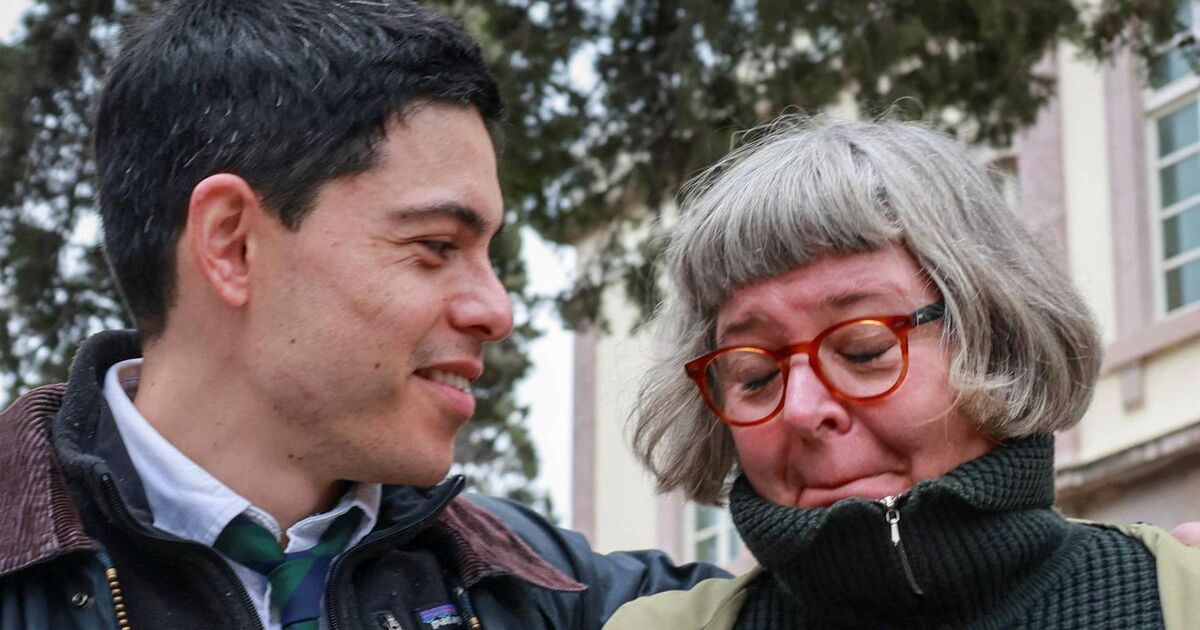
Seán Binder is one of 24 defendants charged over efforts to save refugees off the Greek island of Lesvos in 2018.
They face charges of participation in a criminal organisation, people smuggling, and money laundering.
Mr Binder could face up to 20 years in prison if convicted.
The first day of the trial before the Mytilene Court of Appeals in Lesvos, Greece, lasted until about 6pm.
Depositions included a UN witness, three police officers, and the coastguard.
“Up until now all the evidence that has been handed in the court has been in favour of the defendants,” Mr Kesses said.
“The coastguard verified that they had been informed by the defendants about any information regarding the incoming boat.”
Central to the people smuggling charge is that the defendants refused to co-operate with the authorities when helping people at the Greek shore.
But they say they have proof — through telephone records and coastguard accounts — that they communicated with the coastguard in relation to any rescues from the beaches of Lesvos.
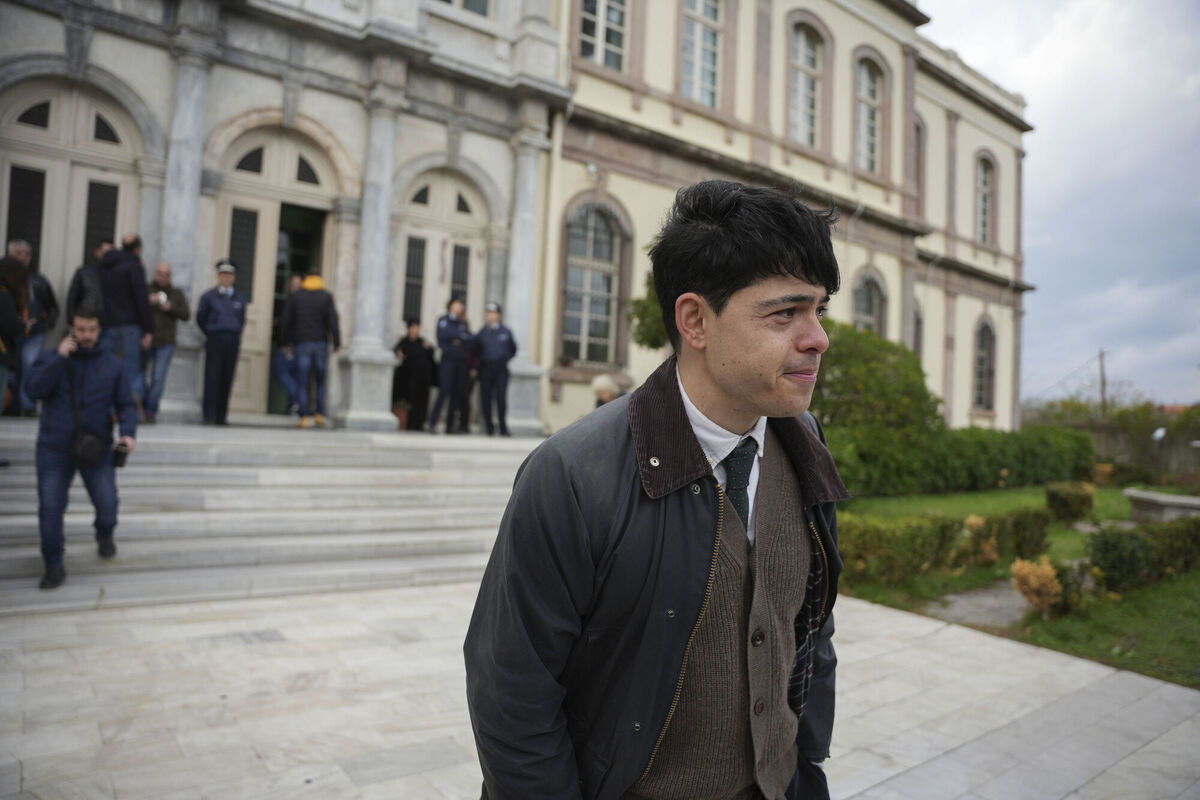 Seán Binder is one of 24 aid workers and volunteers charged over efforts to save refugees off the Greek island of Lesvos in 2018. File Picture: Panagiotis Balaskas/AP
The trial resumes on Friday for what Mr Kesses said will be a crucial day.
“It is the deposition… of the head of the local police office, he is more or less responsible for this case.
“So tomorrow we’re going to examine him. From tomorrow, we’ll have a very clear view of what will happen,” Mr Kesses said on Thursday.
Evidence from other witnesses and depositions from the defendants must also be heard, he said.
Friday will be the last day of the trial this year, but there will be another hearing in January before the trial can conclude, Mr Kesses said.
Mr Binder said that he expects to be ultimately acquitted.
But there have been major delays in getting to trial, with multiple adjournments mostly due to procedural errors by the prosecution, he said.
Miring humanitarians in seven years of probable lawfare has had a chilling effect on others keen to help people arriving in Europe.
“The uncertainty has scared people away from doing search and rescue,” Mr Binder said.
Mr Kesses said that in 2018 there was a perception that humanitarians were a pull factor in migrant smuggling.
Multiple criminal cases were brought against humanitarians to discourage volunteers from coming to provide assistance, he said.
A doctor from the US, a banker from the Netherlands, and a police officer from the Netherlands are also among the 24 facing trial this week.
Mr Binder, aged 31, began volunteering for the search and rescue NGO ERCI on Lesvos in 2017, a lethal year for crossing the Mediterranean with more than 3,000 people reported dead or missing.
In 2018, the Greek authorities arrested Mr Binder, then aged 24, and detained him for more than 100 days before releasing him on bail.
Mr Binder has been trapped in limbo for the seven years since, with limitations on his career, unable to start a family, and having to save to potentially pay for an apartment in Greece so that his mother and partner could visit if he is jailed.
Mr Binder was born in Germany but moved to Castlegregory, Co Kerry, at the age of five.
He studied in Trinity College Dublin and at the London School of Economics before training as a barrister.
When released, he spent time with his mother in Togher, Cork.
He is now practising criminal law in London.
“It’s been horrifying to confront the hypocrisy of European border policy,” Mr Binder said.
On the one hand, we lecture the rest of the world about the European Convention on Human Rights. And yet, as soon as the responsibility comes to implement those in our own waters, they evaporate, meaningless.
“People are abandoned to drown.
“The Mediterranean Sea is the deadliest sea crossing in the world. At least 33,000 people, according to the UNHCR, drowned in the Mediterranean since 2015 as of September.
“But two weeks ago there was a drowning off the coast of Lesvos so that number has increased. Those aren’t an act of God or a freak of nature. The reason people are drowning in the Mediterranean is because we are letting them drown.
“The European Union is one of the wealthiest economic groups in the world. If we wanted to stop people from drowning, we could easily do so. We choose not to do so.
“People are dying because of the policies we put into place.”