Rita El Khoury / Android Authority
Wireless charging has never been a straightforward matter on Pixels, with many recent phones claiming two different speeds whether you were using the official Pixel Stand or a third-party charger. With the Pixel 10 series shipping out of the box with built-in Qi2 and Qi2 25W, we thought things would finally be standardized and that we wouldn’t have to think about which charger we’re using with which phone.
Alas, that is far from the truth. I’ve conducted many tests over the past few months and discovered that there are intricate differences between older Pixels and newer ones, and how each of them adapts to different wireless chargers. The takeaway? It’s easy to buy the wrong charger for your phone and, as our surveys have revealed, many of you have fallen for that trap. Here’s what I found out and why that’s wrong.
27% of Pixel 9 (or earlier) users bought an incompatible new Qi2 charger
If you’re in the market for a wireless charger now, odds are you’re looking at a slew of options and thinking, “Eh, my Pixel doesn’t support Qi2, but I might as well buy a Qi2 charger for future-proofing.” There’s nothing wrong with that, on paper, especially since Qi2 is supposedly backwards compatible with Qi. But you need to be aware that by doing so, you’re not making the most of your new charger or your phone’s wireless charging abilities. 26.85% of over 2600 surveyed users are in this boat. They bought a newer Qi2 charger even though they own a Pixel 9 or older phone.
The issue here is that the Pixel 9 (and older) drop to 5W on Qi2 chargers. Even though the phones are capable of receiving up to 12W when wirelessly charging over Qi, and even though Qi2 chargers deliver up to 15W to 25W of power and are backwards compatible with Qi, the two fail their handshake. It’s not clear why, although magnets and alignment might play a factor here. The result is that the Pixel 9 (and older) is afraid of overheating and incompatible charging when placed on a Qi2 charger, so it requests a drop to the charger’s Basic Power Profile, which only delivers 5W of theoretical power — less than half what the Pixel 9 can handle. Realistically, though, I noticed this was more around the 3-4W range.
This results in really long charge times, even if both your phone and charger are capable of faster charging on the spec sheet. Expect three to four hours or more to fill up the Pixel 9. Reader lafreniere.luc noticed the same thing:
Well, well, well… I thought I was crazy (probably still am). My Pixel 9 Pro Fold had this exact issue using a Peak Design Qi2 motorcycle mount. At first I thought it was because of the famous charging coil placement and alignment issues. But I’ve done extensive research, aligns perfectly for all my Qi1 chargers just fine, but on that mount, trickle charge. It can’t even keep up with Google Maps/music, etc.
And according to several of our readers, including dunkalunk, this isn’t a Pixel-only issue. Other non-Qi2 phones have problems with Qi2 chargers, too:
Samsung has the same issue. I learned this a while ago with my S24 Ultra + magsafe case when I got one of the latest Anker chargers. Since it was officially qi2, it wouldn’t charge at the full 15w since the S24U wasn’t qi2. My friend at work had an older model of the same charger and that one did give the full 15w, so we just traded haha
If your goal is to future-proof your charger purchase and you plan on upgrading your phone soon, this is a small hiccup that will soon be irrelevant. But if you plan on keeping your Pixel 9 (or older) phone for a year or longer, there’s no point in investing in a Qi2 charger now. Get a certified 1st-gen Qi charger that can deliver 15W, and you’ll be much better off. They’re cheaper, too!
48% of Pixel 10 series users have older, incompatible Qi chargers
On the other side of the divide, the Qi2-certified Pixel 10 series has issues with older Qi pads and power banks. This has been widely reported on Reddit and several forums, and I noticed it in all of my tests, too. The Pixel 10 and 10 Pro, which are capable of up to 15W charging over Qi2, as well as the Pixel 10 Pro XL with its Qi2 25W, all fall down to only 5W on older Qi chargers. That’s the theoretical speed; in reality, it’s also in the 3-4W range.
This happens even on certified EPP (Extended Power Profile) Qi chargers, which should be able to go up to 10W and 15W. 48% of 400+ surveyed users noticed this issue, too, complaining about their Pixel 10 series phone’s wireless top-up on older Qi chargers.
Once again, it’s a matter of handshake. So even though Pixel 10 series phones can handle at least 15W of fast charging, and even though their built-in Qi2 is backwards compatible with Qi chargers, they still don’t seem to like the older EPP chargers. To mitigate that, they drop to the Basic Power Profile and request 5W from the charger, even if it can deliver up to 10W or 15W.
Many of our readers shared this same frustration. rtisovec said:
Just wish I could get my Pixel 10 Pro XL to charge in my car with the old format like my Pixel 6XL did. So much for backwards compatibility
And both Gregor Smith and samstein had similar issues with their car charging pads:
Yeah, I don’t know the details, but I do know that the charging pad in my 2025 Honda CRV is worthless with my Pixel 10 Pro. Charge is so slow that it can’t even overcome Android Auto nav/streaming music usage and the phone massively overheats. I just use a wire in the car now.
Which really sucks because my car has an old ass Qi charging pad that barely recognizes my Pixel 10
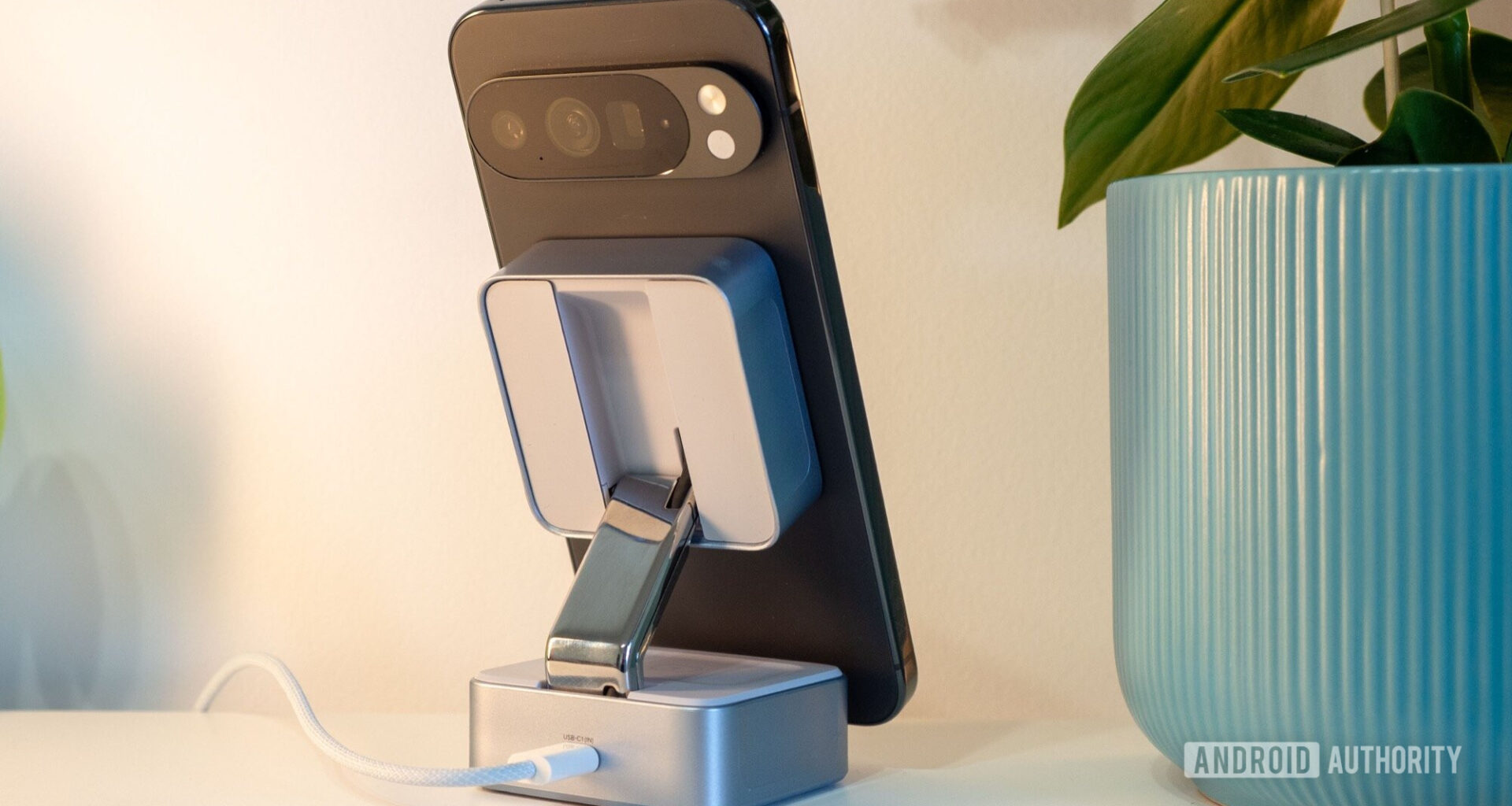
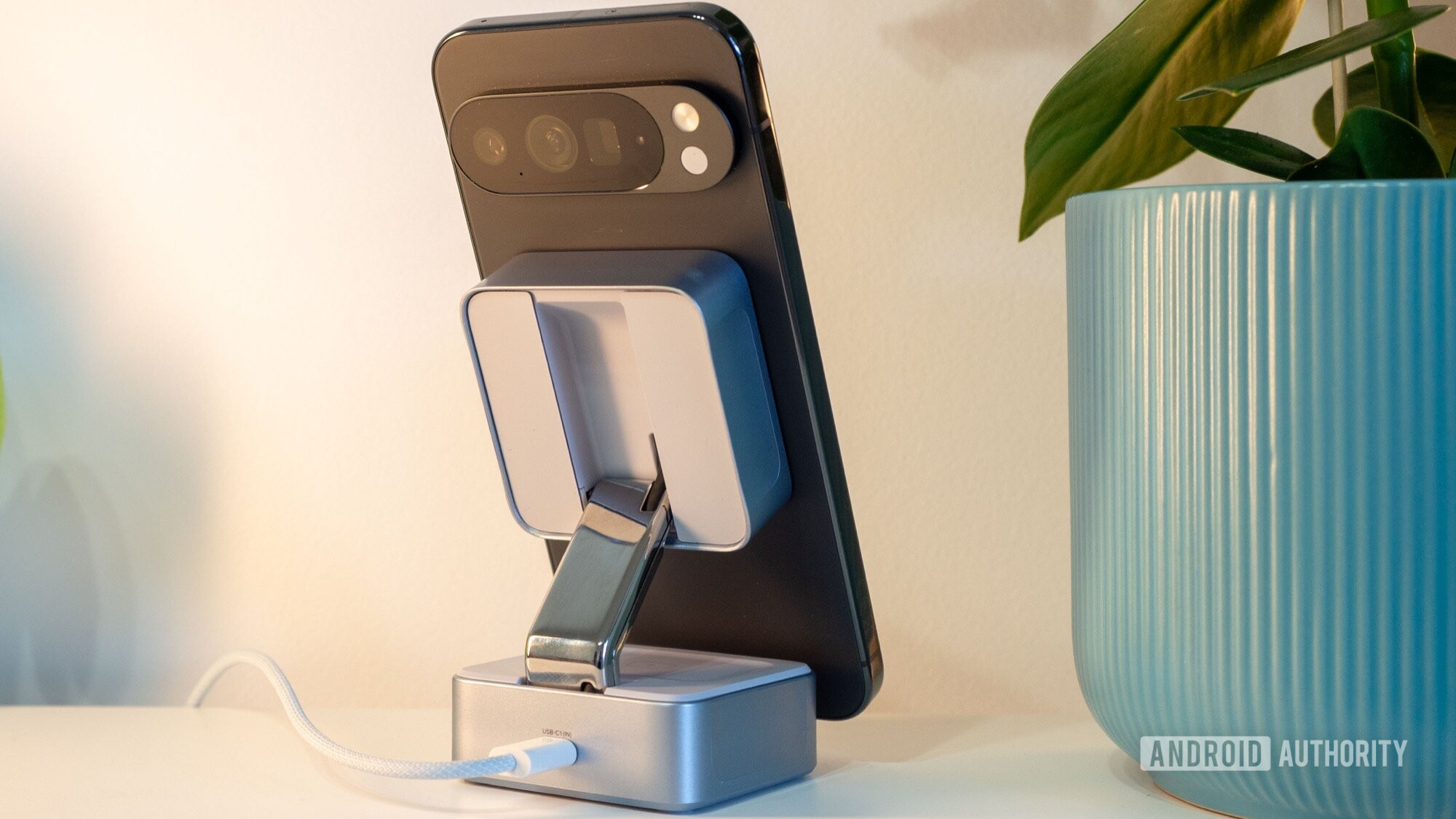
If you’re in the same boat and you’re noticing inconsistent and slow charging with your existing Qi pad or power bank, you might wanna grab a new Qi2 accessory. There are still inconsistencies, I won’t lie — even the official Pixelsnap Charger with Stand is very slow and heats up quickly, and you’ll never see 25W on the Pixel 10 Pro XL; it’s more of a 10W situation — but all these issues will be less frequent than with older Qi pads. You can expect faster and more reliable charging, too, on Qi2-certified chargers. Just… don’t break the bank on one because the difference isn’t too drastic.
I just hope Google can fix these wireless charging issues soon. A software update could help make Qi2 charging more reliable on the Google Pixel 10 series, and allow the Pixel 9 (and older) phones to benefit from all the power a Qi2 charger can deliver. And maybe the Pixel 11 will find a way to avoid all this overheating and the drastic drops in charging speeds that keep happening. When I see 25W wireless charging in the spec sheet, I expect my Pixel 10 Pro XL to charge at 20W or so for the duration of the charge, not 8-9W.
Don’t want to miss the best from Android Authority?


Thank you for being part of our community. Read our Comment Policy before posting.