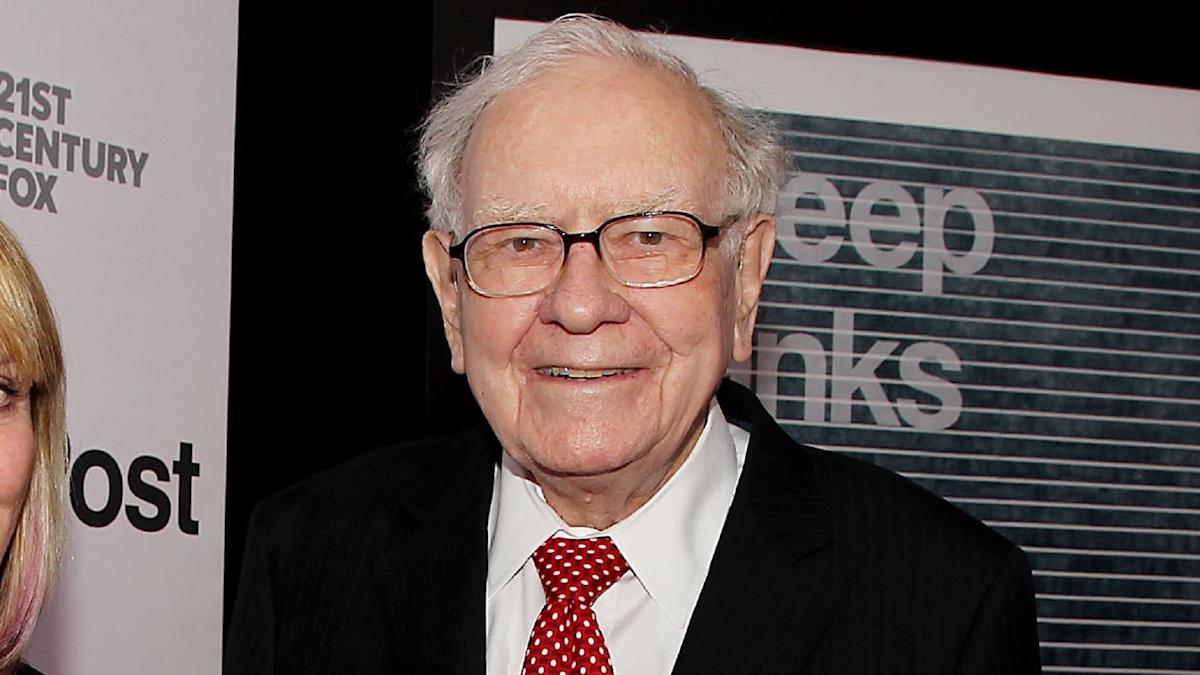
Ever wonder how the ultra-rich plan for their golden years? With access to the best financial advisors money can buy and more wealth than most of us could spend in 10 lifetimes, billionaires approach retirement very differently than the average person.
Read Next: 9 Low-Effort Ways To Make Passive Income (You Can Start This Week)
I asked ChatGPT a simple question: Which billionaire has the smartest retirement strategy? The answer might surprise you because it’s not complicated at all.
ChatGPT picked Warren Buffett, and not because of some fancy tax scheme or complicated trust structure. Buffett’s approach is remarkably straightforward: Put 90% of your money in a low-cost index fund that tracks the S&P 500 and keep the other 10% in short-term government bonds.
This allocation gives you broad exposure to the American economy without betting everything on a few individual companies. The real genius is in what Buffett avoids: expensive fund managers, constant trading and trying to predict what the market will do next week. He recommends just keeping at it through good times and bad, especially when things look rough.
Explore More: I Asked ChatGPT When I Could Retire — I Couldn’t Believe the Answer
The beauty of Buffett’s method is that it removes most of the guesswork. You’re not trying to pick the next Amazon or figure out when to jump in and out of the market. Research shows that over the long haul, a simple index fund usually beats actively managed portfolios anyway.
Buffett also warns constantly about fees. When fund managers take a cut every year, that money compounds against you over decades. A difference of even 1% in annual fees can cost you hundreds of thousands of dollars by the time you retire. His straightforward buy-and-hold approach keeps costs minimal and lets compound interest work in your favor instead of against you.
Buffett’s retirement planning goes beyond just investment returns. He’s structured his estate so that most of his remaining wealth eventually goes to charitable causes through a trust. This shows he’s thinking about legacy and purpose, not just accumulating more zeros in his bank account.
ChatGPT pointed out some important limitations. Buffett’s strategy makes perfect sense when you have billions and can truly set it and forget it. For someone with a smaller nest egg, the calculation might be different. You might need more growth or have different risk tolerance based on when you need to access your money.
Some billionaires have completely different priorities too. Bill Gates announced plans to give away virtually all of his $200 billion fortune by 2045, using philanthropy as his main retirement strategy. Jeff Bezos keeps much of his wealth concentrated in business holdings and uses complex legal structures to minimize taxes while maintaining control.
Many ultra-wealthy people use trusts, family partnerships and private equity investments that go way beyond stocks and bonds. These tools help preserve wealth across generations and provide tax advantages that most regular investors can’t access.
You don’t need billions to benefit from Buffett’s core principles. Low-cost index funds are available to anyone with a brokerage account. The idea of diversification and long-term thinking applies whether you have $5,000 or $5 million invested. Keeping fees low matters for everyone and avoiding emotional decisions based on market swings will serve you well regardless of your net worth.
The key insight is that Buffett’s approach works because it’s boring. There’s no secret sauce, no insider trading and no need to constantly watch CNBC. You invest consistently, keep costs down and let time do the heavy lifting. For most people, that’s actually a feature, not a bug.
ChatGPT concluded that if you define “best” as simple, proven, low-maintenance and likely to preserve wealth for decades, Buffett’s strategy is hard to beat. It won’t make you feel like a financial genius at cocktail parties, but it’s probably the smartest play for the long run.
The real lesson is that the best retirement strategy depends entirely on your goals. If you want to change the world like Gates, maximize control like Bezos or just make sure you don’t run out of money before you die, different approaches make sense. But for straightforward wealth preservation without losing sleep over your portfolio? Buffett’s got you covered.
More From GOBankingRates
This article originally appeared on GOBankingRates.com: I Asked ChatGPT Which Billionaire Has the Best Retirement Strategy — Here’s Whose It Chose