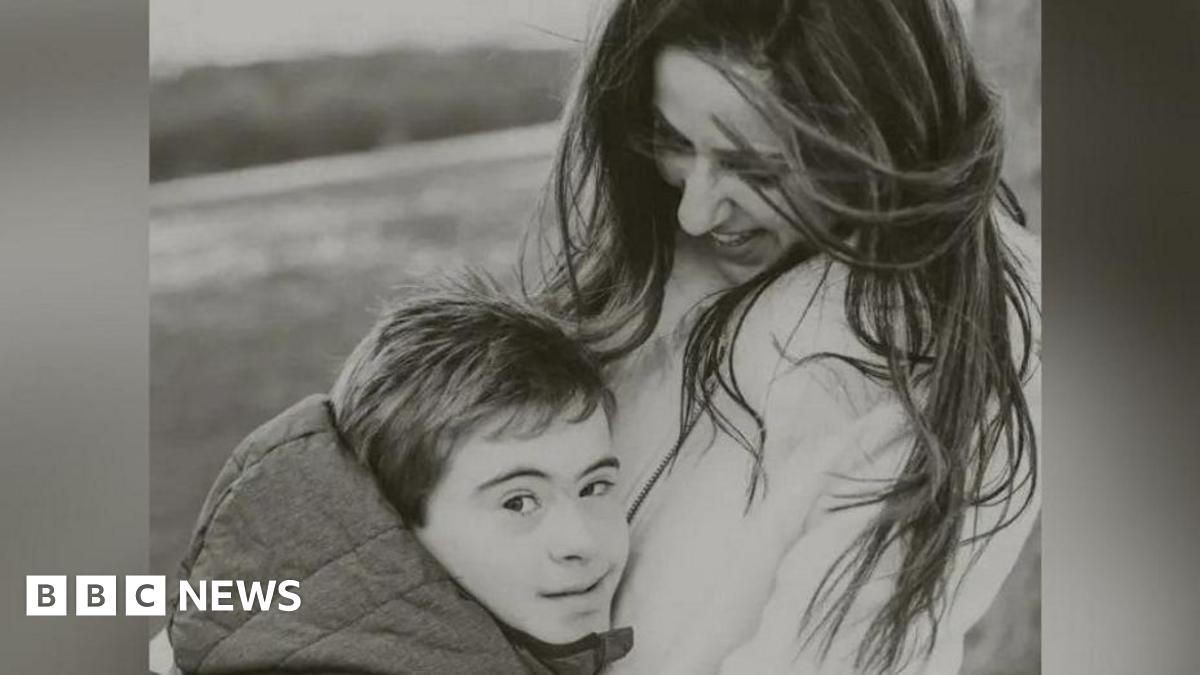
The inquest heard Antonio had Downs Syndrome, attention deficit hyperactivity disorder and autism, and was also born with Tetralogy of Fallot, a congenital heart defect.
Mr Longstaff was told the teenager had been admitted to LGI to undergo heart surgery on 30 September after which he was sedated “by a constant Propofol infusion and occasional bolus doses”.
From 4 October, Antonio developed a “persistent and increasing fever” and he was noted to have a Stage 1 acute kidney injury on 5 October.
On 6 October, concern was raised that his deterioration might be due to Propofol-Related Infusion Syndrome and his Propofol was stopped and replaced with fentanyl.
He died the following day after he went into cardiac arrest.
Recording a narrative conclusion, Mr Longstaff said Antonio had died “from the effects of receiving a continuous Propofol infusion of 5,634 milligrams plus additional bolus doses over a period of 121 hours, while in post-operative sedation on the Paediatric Intensive Care Unit (PICU)”.
The inquest heard the trust had since devised and implemented new guidelines around the use of Propofol for “short term sedation in children and young people on PICU”.
Mr Longstaff’s report, external said a consultant paediatric intensivist who appeared at the inquest “wholeheartedly endorsed” the guidance and said that “had its provisions been in place in October 2021, it is likely that Antonio would not have died when he did”.