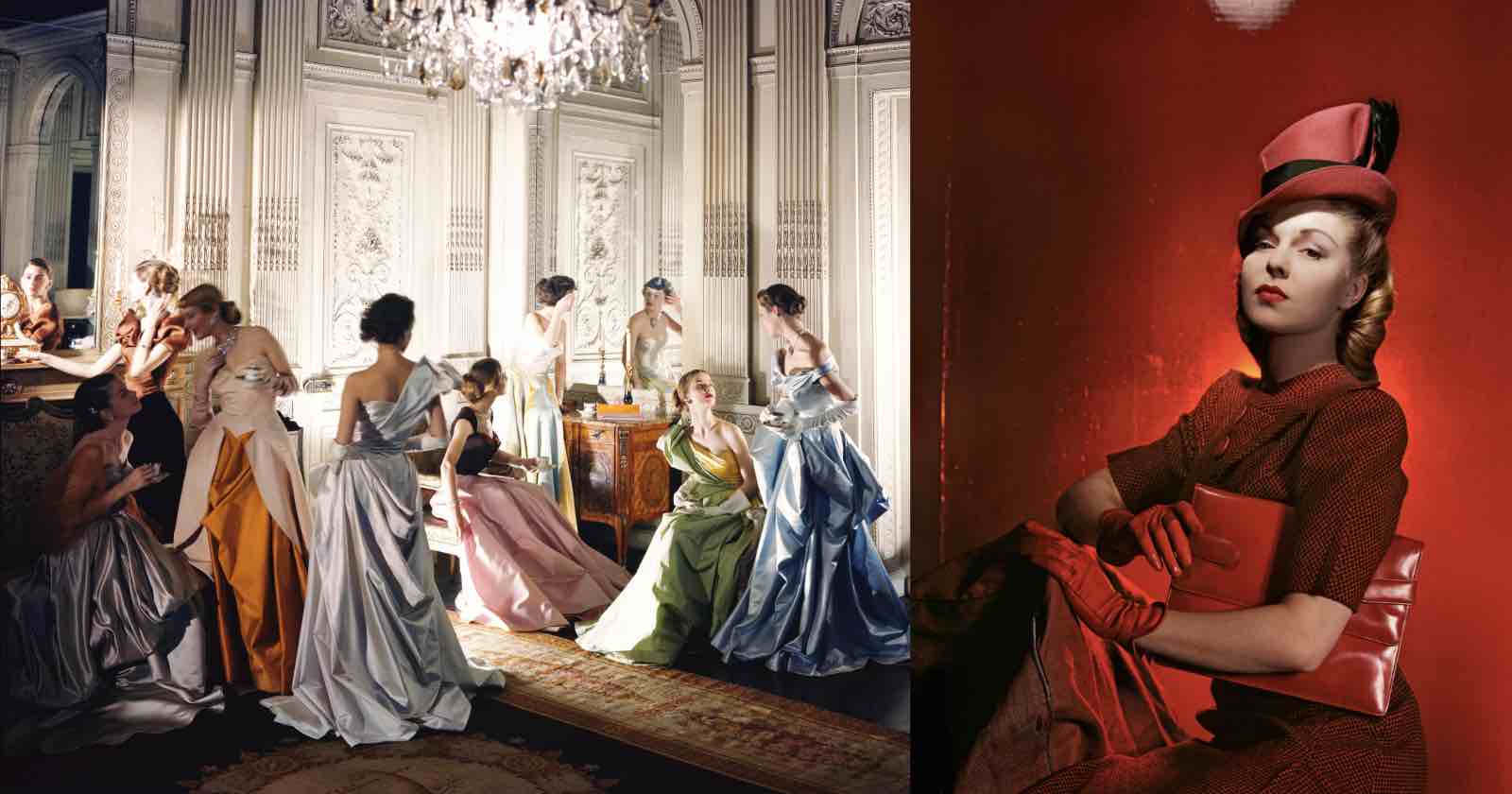
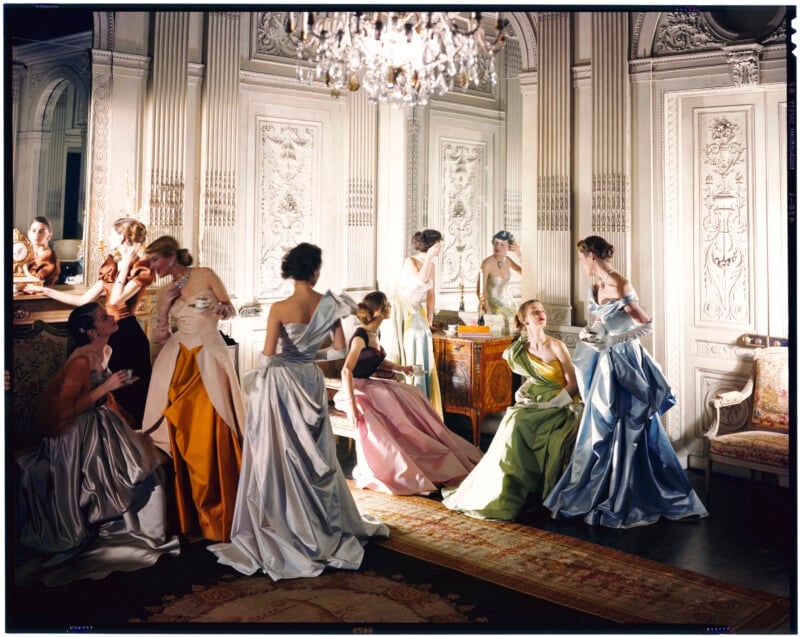
 Worldly Colour (Charles James evening dresses), 1948. Original colour transparency | The Cecil Beaton Studio Archive.
The National Portrait Gallery in London, U.K., is hosting a major exhibition examining Cecil Beaton’s pivotal role in shaping twentieth-century fashion and portrait photography.
Cecil Beaton’s Fashionable World is the first exhibition to focus exclusively on Beaton’s fashion photography, a core element of his career that underpinned his later work across film, theatre, and portraiture. Curated by photographic historian and Vogue contributing editor Robin Muir, the U.K.’s National Portrait Gallery exhibition looks at how Beaton developed a distinctive visual style and how that approach influenced modern photography.
 Audrey Hepburn in costume for My Fair Lady, 1963. Original colour transparency |
The Cecil Beaton Archive, London. 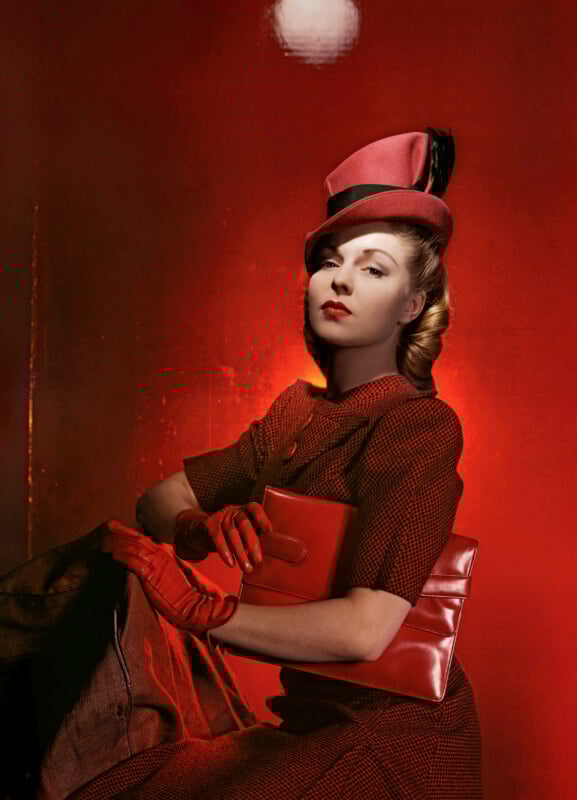 The Second Age of Beauty is Glamour (suit by Hartnall), 1946, Original colour transparency | The Condé Nast Archive, London.
 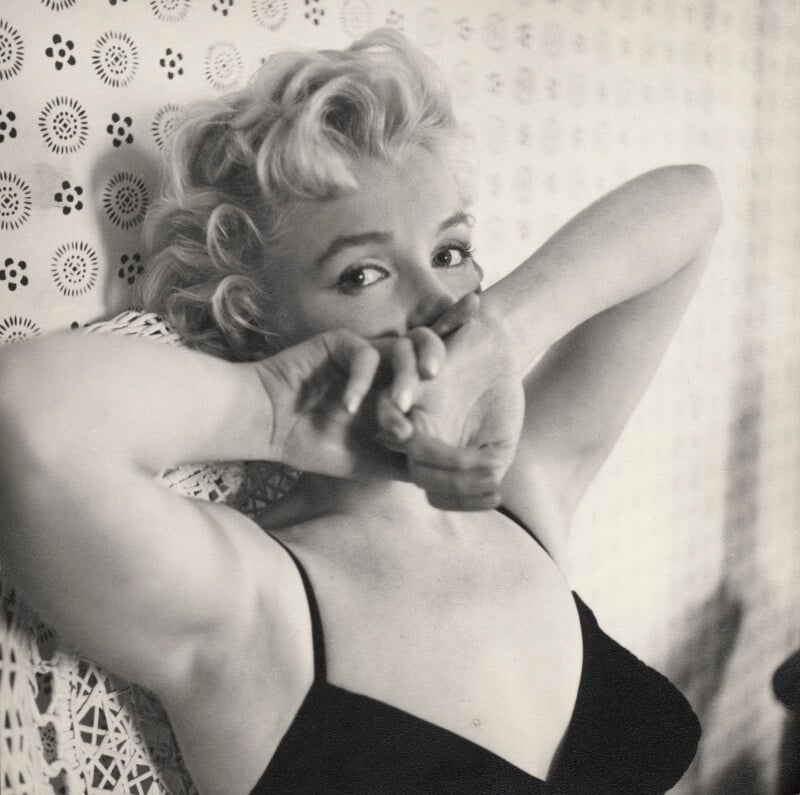 Venus Unmasked(Marilyn Monroe at the Ambassador Hotel, New York), 1956, Gelatin silver print | National Portrait Gallery, London
The exhibition presents around 250 items, including photographs, letters, sketches, and costumes. It traces Beaton’s early experiments with a camera in the 1910s, his inventive student years at Cambridge University, and his first portraits of high-society figures who helped establish his reputation. It then follows his entry into the world of fashion through commissions for Vogue, his work in London during the 1920s and 1930s, and his later photographic trips to New York and Paris.
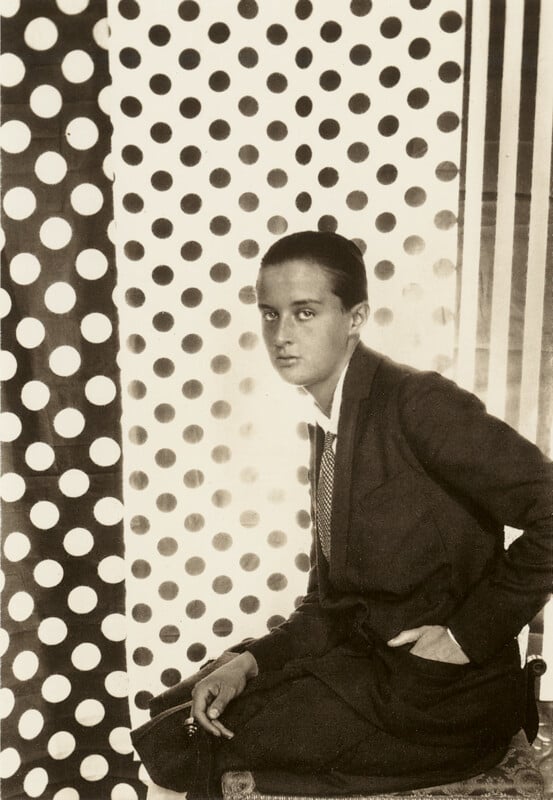 Princess Emeline De Broglie, 1928, Gelatin silver print | The Cecil Beaton Studio
Archive, London. 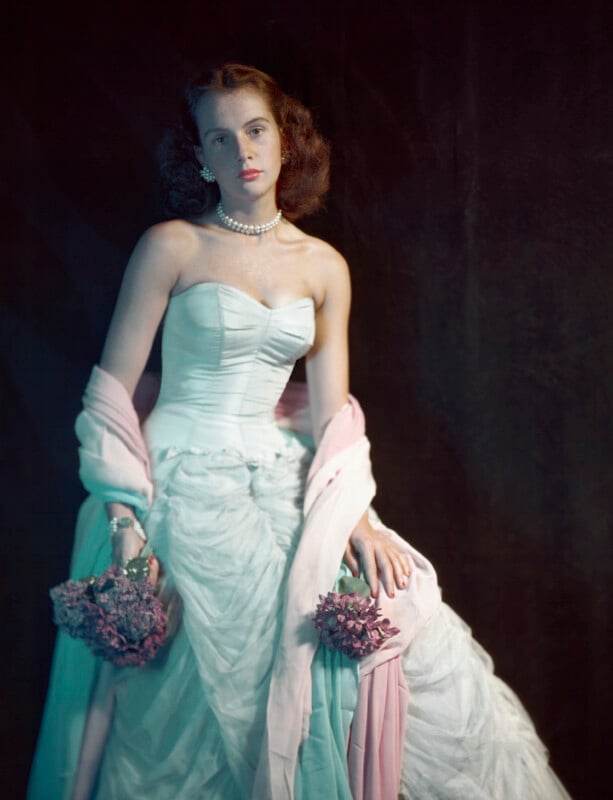 At the Tuxedo Ball (Nancy Harris), 1946, Original colour transparency | The Condé Nast Archive, New York.
 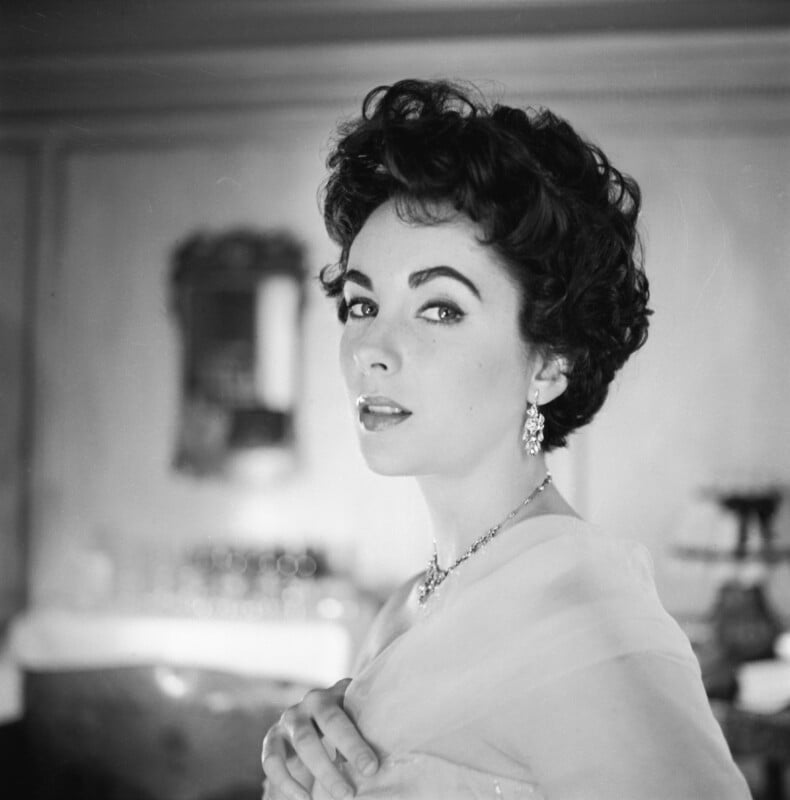 Elizabeth Taylor, 1955, Gelatin silver print | The Cecil Beaton Studio Archive, London.
Beaton’s photographs of major cultural figures form a central part of the exhibition. These include Hollywood actors such as Marilyn Monroe, Audrey Hepburn, Elizabeth Taylor, and Marlon Brando; members of the Royal Family, including Queen Elizabeth II; and artists such as Salvador Dalí. The exhibit examines how Beaton’s approach brought together elements of Edwardian theatricality, early European surrealism, and American modernism.
 Cecil Beaton, c. 1935, Gelatin silver print | The Cecil Beaton Studio Archive, London.
 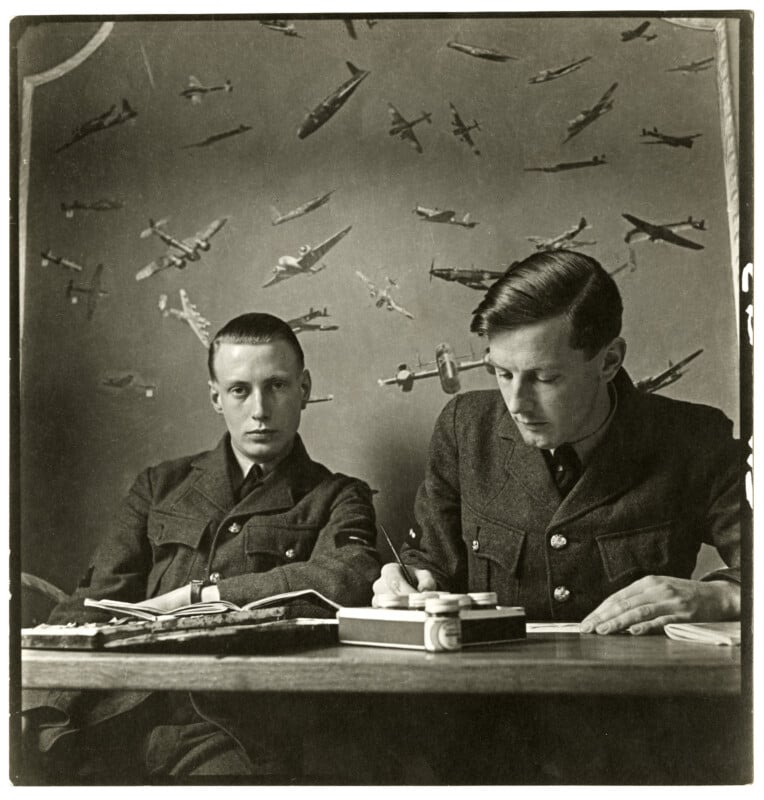 Aircraft Recognition Room 1941 By Cecil Beaton
The exhibition also looks at Beaton’s role as an official war photographer during the Second World War and how his photographs of the Royal Family in the late 1930s and 1940s helped shape their public image. It concludes with his work on the stage and film versions of My Fair Lady, which many consider a defining moment in his career.
“Cecil Beaton needs little introduction as a photographer, fashion illustrator, triple Oscar-winning costume designer, social caricaturist, elegant writer of essays and occasionally waspish diaries, stylist, decorator, dandy, and party goer. Beaton’s impact spans the worlds of fashion, photography, and design,” Muir says in a statement. “Unquestionably one of the leading visionary forces of the British twentieth century, he also made a lasting contribution to the artistic lives of New York, Paris, and Hollywood.”
Cecil Beaton’s Fashionable World runs at the National Portrait Gallery in London to 11 January 2026.
Image credits: All photos courtesy of the National Portrait Gallery in London.