- Brent, WTI prices steady after 4% losses last week
- Venezuelan oil exports down sharply since US seizure of tanker
- Surplus outlook, potential Ukraine peace deal weigh on prices
DENVER, Dec 15 (Reuters) – Oil prices fell on Monday as investors balanced supply disruptions linked to escalating U.S.-Venezuelan tensions with oversupply concerns and the impact of a potential Russia-Ukraine peace deal.
Brent crude futures were down 47 cents, or 0.77%, to $60.65 a barrel at 10:46 a.m. EST (1546 GMT), and U.S. West Texas Intermediate crude was trading at $56.85 a barrel, down 59 cents, or 1.03%.
Sign up here.
Both contracts slid more than 4% last week, weighed down by expectations of a global oil surplus in 2026.
Venezuela’s oil exports have fallen sharply since the U.S. seized a tanker last week and imposed fresh sanctions on shipping companies and vessels doing business with the Latin American oil producer, according to shipping data, documents and maritime sources.The market is closely monitoring developments and their impact on oil supply, with Reuters reporting the U.S. plans to intercept more ships carrying oil from Venezuela following the tanker seizure, intensifying pressure on Venezuelan President Nicolas Maduro.
“The grind lower in oil prices and the achieving of month-to-date lows across the major futures complex last week might have seen more negative pricing if it were not for the upping of the ante by the United States with regard to Venezuela,” said John Evans, an analyst with PVM.
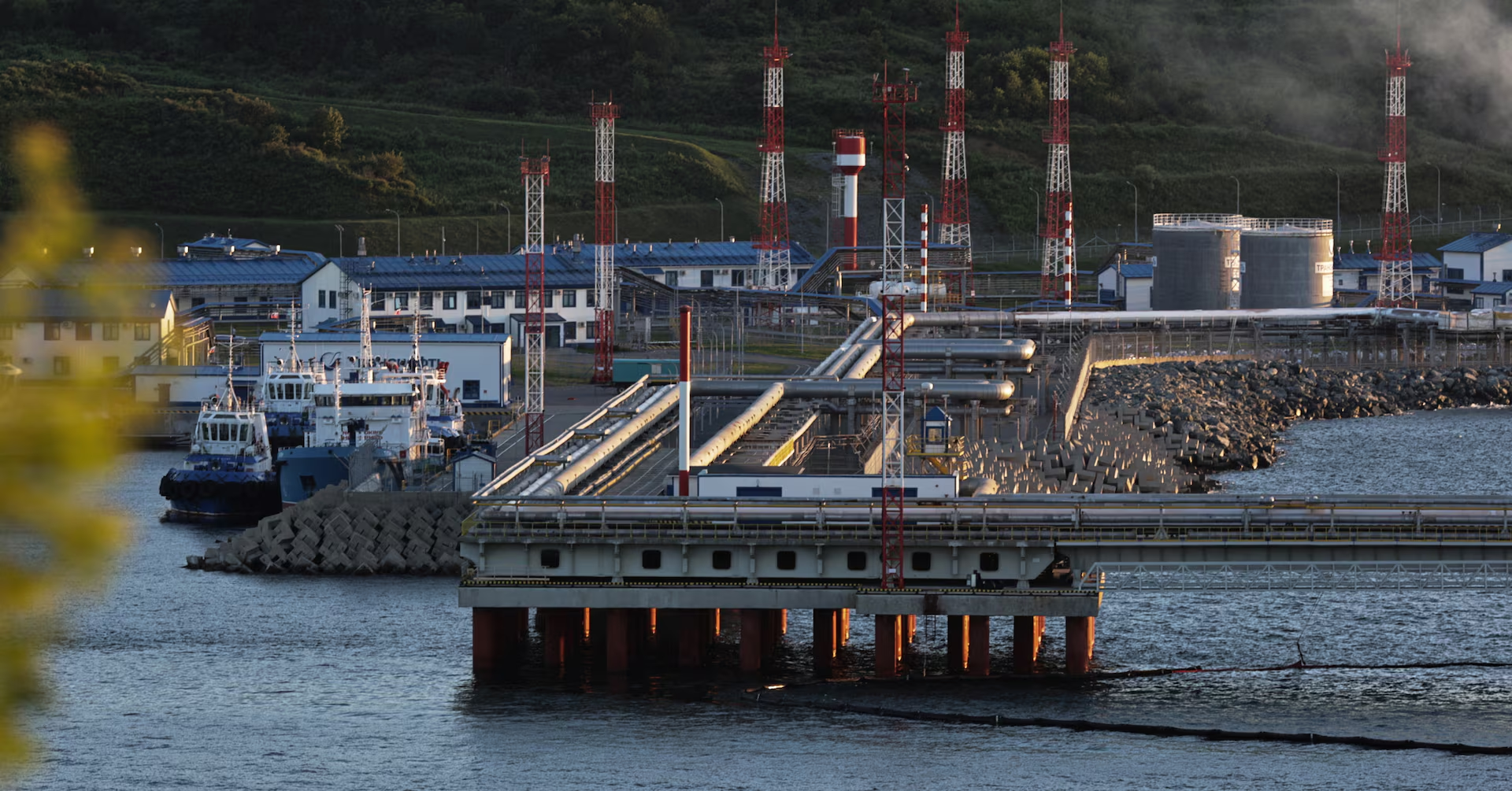
Still, ample oil supplies already en route to China – Venezuela’s biggest oil buyer – as well as plentiful global supplies and weaker demand are buffering some of the impact of supply disruptions tied to the tanker seizure.A view shows the crude oil terminal Kozmino on the shore of Nakhodka Bay near the port city of Nakhodka, Russia August 12, 2022. REUTERS/Tatiana Meel Purchase Licensing Rights, opens new tabMARKET REMAINS FOCUSED ON GEOPOLITICSUkrainian President Volodymyr Zelenskiy offered to drop his country’s aspiration to join the NATO military alliance as he held five hours of talks with U.S. envoys in Berlin on Sunday. Negotiations are set to continue on Monday.
U.S. envoy Steve Witkoff said “a lot of progress was made”, though additional details were not divulged.
A possible peace deal could eventually increase Russian oil supply, which is currently sanctioned by Western countries.
“Geopolitical noise remains elevated, with U.S.-led diplomacy on Ukraine, ongoing attacks on Black Sea shipping, and the renewed risk of U.S. military action in Venezuela following last week’s detention of a supertanker,” Aegis Hedging wrote in a note on Monday.
Russia attacked two Ukrainian ports on Friday, damaging three Turkish-owned vessels.
Rising expectations of a surplus also weighed on prices.
J.P. Morgan Commodities Research said in a note on Saturday that oil surpluses in 2025 were expected to widen further into 2026 and 2027, as global oil supply was projected to outpace demand, expanding at three times the rate of demand growth through 2026.
Reporting by Robert Harvey in London, Yuka Obayashi in Tokyo, Siyi Liu in Singapore and Liz Hampton in Denver; Editing by Louise Heavens, Mark Potter and Paul Simao
Our Standards: The Thomson Reuters Trust Principles., opens new tab