Mumbai: UK-based fintech Revolut is seeking to replicate its global approach to cross-border payments in India, targeting smoother transactions in key segments such as travel and education, a top executive said.
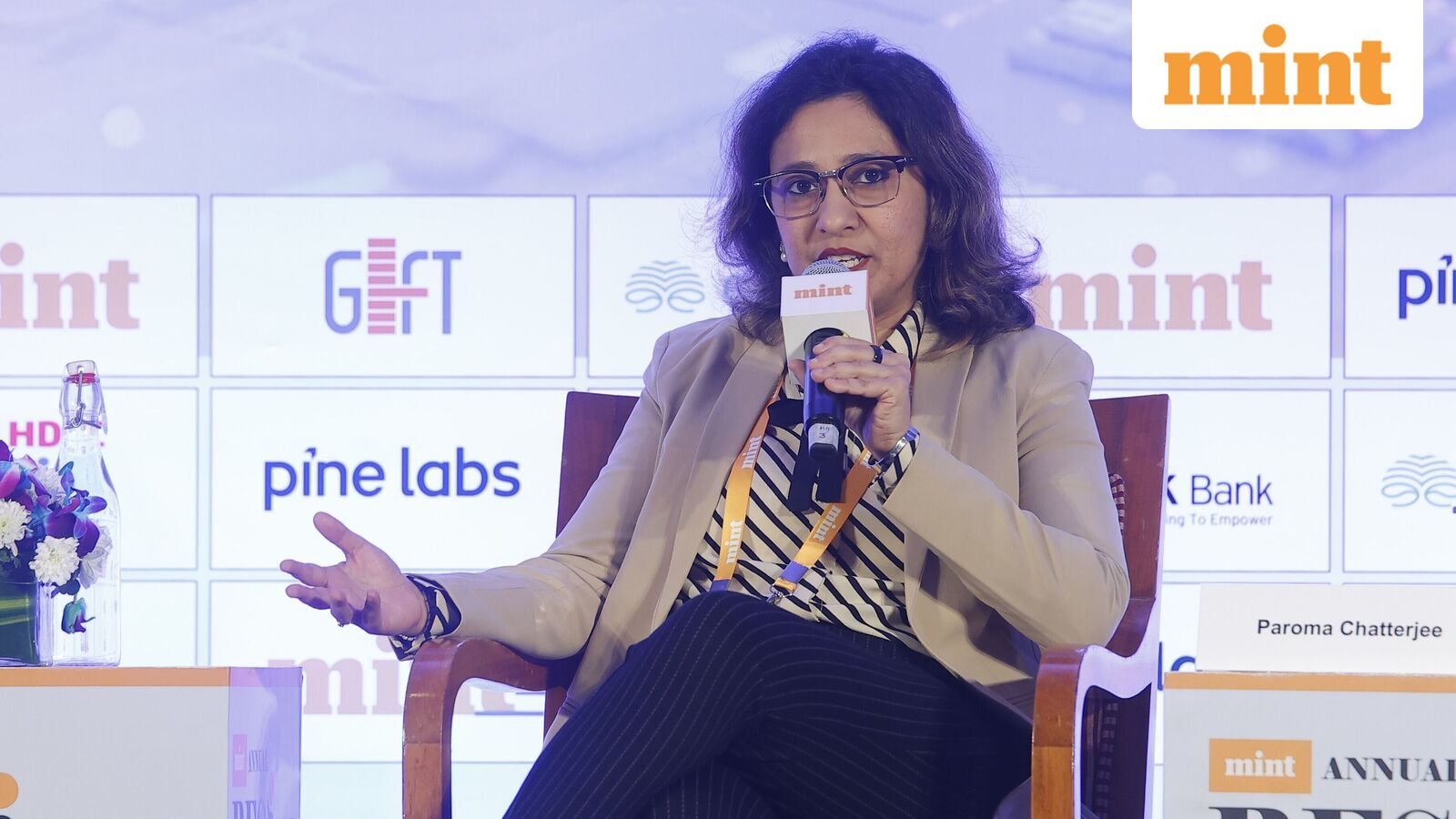
“Over the last year, we have built an integrated platform for domestic and international transactions. India is increasingly becoming more global and the consumer need in sectors like travel and education is burgeoning,” Revolut India’s chief executive Paroma Chatterjee said in a fireside chat at Mint’s BFSI Conclave.
The firm has made Unified Payments Interface (UPI) and Visa tie-ups to facilitate these payments.
Also Read | As OFS-heavy IPOs surge, Madhusudan Kela lays down his investing rule
With the number of Indians going abroad to study nearly doubling in the last year to about 1.5 million students, Chatterjee highlighted the growing opportunity of simplifying overseas payments for essential services such as payment of fees, monthly maintenance costs like rent and other living expenses.
As far as travel is concerned, she referred to simplifying payments made in advance for flight and hotel bookings and subsequent expenditure on food, sightseeing and other activities.
Foray into India
Her comments come a little over two months after the digital finance company outlined plans to launch its payment platform in the country, marking its foray into one of the world’s largest digital payments markets.
The firm is licensed to offer domestic payment services using the prepaid payments instrument licence it secured from the Reserve Bank of India (RBI) earlier this year and it also has a permit to offer foreign exchange services.
Revolut’s main competitors in India and globally include established players such as Wise for international transfers, local payment giants like PhonePe & Paytm for domestic digital payments, alongside new Indian entrants like Skydo that offer tailored solutions for freelancers and SMBs, according to various reports.
“Overall, we have about 40 million people travelling overseas with a need to spend money in an affordable and efficient manner. Indians have spent about $40 billion overseas with about $400 million in charges from cross-currency markups,” Chatterjee explained, stating it as one of the key focus areas that the firm is looking to solve for.
Also Read | Credit-to-GDP challenge: Bankers say 60-65% is must for 2047 developed status
Other than making it more affordable, Revolut India is also trying to address the time it takes to send money across countries as it takes anywhere between three-four days, depending on the country.
“The third is transparency – the money we send overseas typically involve high-ticket transactions, so there is always a lack of clarity on whether it has reached the recipient and how much will get deducted in charges. So, we are also trying to streamline processes to track the money flow,” Chatterjee added.
The addressable opportunity is massive and there is immense scope for disruption in the space. “India is the largest recipient of inbound remittances and clocked about $129 billion last year – more than double than that of Mexico. Simply put, the amount of money that Indians are sending back is just growing and to be able to make that affordable is a key focus area,” she explained.
Tackling sub segments
Speaking at the fireside chat titled ‘Opportunities in cross-border payments’, Chatterjee also highlighted efforts to tackle other sub-segments such as medical tourism, which is seeing a growing number of Indians travel overseas to get specialized treatments–and business-related purposes, where freelancers, advertisers, influencers and those working in content creation areas for people in other countries need to receive money from their employers.
These developments are key to Revolut’s big bet on India as a core component of its global growth strategy.
The company aims to sign up 20 million customers by 2030 with a focus on the “aspirational youth” demographic. Revolut counts India as its largest talent hub with over 3,500 employees following an initial upfront investment of $45 million, as per reports.
Also Read | Sebi chairman has a stern message for finfluencers, ‘rules are…’
It also operates in the UK, Switzerland, Australia, New Zealand, Japan, Singapore, the US and Brazil, among several other nations.
Chatterjee called for countries to come together to simplify multi-currency payments. She said regulators and governments should collaborate to facilitate seamless international payment transactions.
“With different countries having their own native payments, it can create more complexity in the broader international ecosystem. There needs to be a global guideline for payment handoffs so that each of these rails can happen smoothly,” Chatterjee said. “I think those are the kind of things that need to converge upon for the regulators and countries to come together to make it seamless.”
“We need a passport-equivalent for a global financial identity and one common standard for global financial rails. If these two align, borderless finance can truly be made possible,” she concluded.