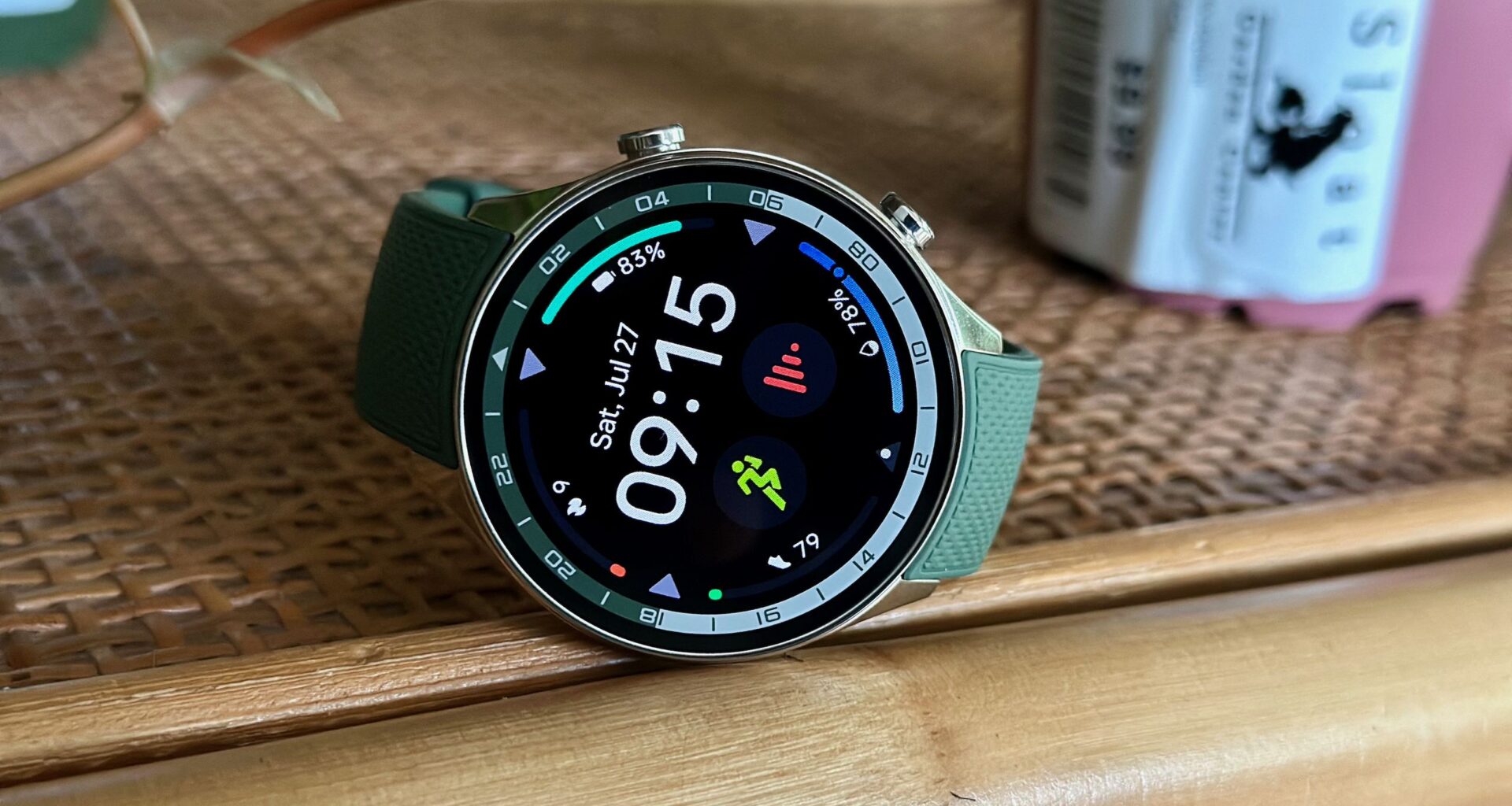
So, you want to get an Android smartwatch but you don’t want to spend an arm and a leg. It’s best to start with something simple to test the waters and move up to something more advanced once you have an idea of what features matter most to you and what improvements you want. That might relate to battery life, style or durability, app access, and more.
Temper your expectations, of course, because when you’re looking at an affordable smartwatch, there will be some concessions when it comes to feature, design, and durability. But we have chosen models that won’t feel like so much of a downgrade. Having tested dozens of Android smartwatches over the years, I know which budget smartwatches are actually worth it.
Written by Written by
Michael Hicks
Senior Editor, Wearables & AR/VR
Michael Hicks is Android Central’s resident smartwatch geek, having reviewed or tested dozens of wearables from Samsung, Google, Apple, Garmin, Fitbit, Coros, Polar, Withings, Amazfit, and others. He spends his free time running or hiking while wearing several watches at once, testing which is most accurate.
Best overall
1. Samsung Galaxy Watch 7
Best overall
Our old pick for best Android smartwatch across all brands and prices, the Galaxy Watch 7 is absurdly cheap as Samsung clears out stock to focus on the Watch 8. No other budget pick on this list can match it.
Best Wear OS alternative
Best Wear OS alternative
Amazfit is one of our favorite budget brands. This cheap fitness watch has a mic and speaker, eight-day battery life, dual-band GPS, Alexa commands, and many other smarts.
Best cheap fitness watch
Best cheap fitness watch
Fitbit provides a lot of health and fitness data, with the Versa 4 being the cheapest squircle option. Its AMOLED panel and Google apps make the compromises easier to ignore.
Best cheap Wear OS watch
Best cheap Wear OS watch
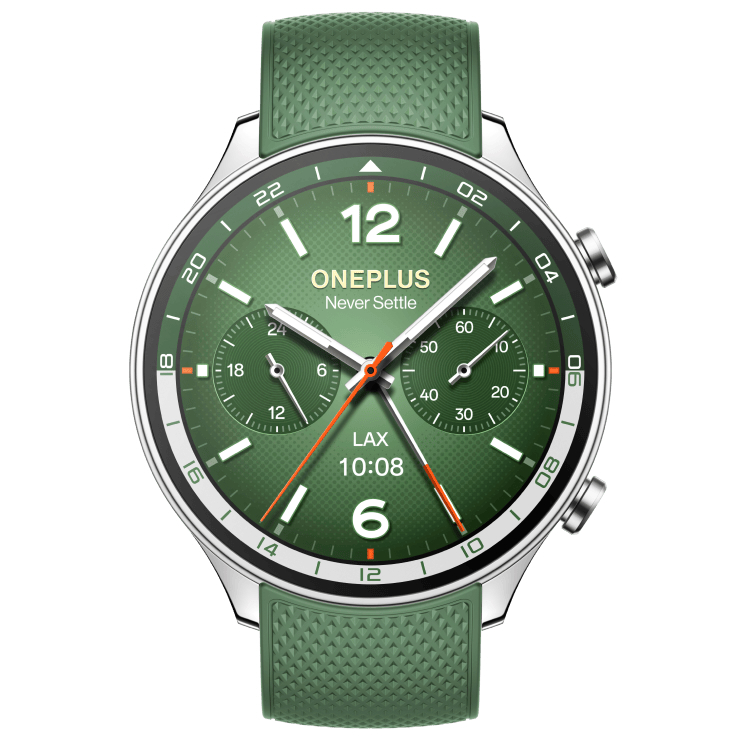
If you can’t find a good Galaxy Watch deal, the OnePlus Watch 2R is the best alternative, with days of battery life, fast charging, a surprisingly stylish design, and Gemini access.
Best cheap Garmin watch
Best cheap Garmin watch
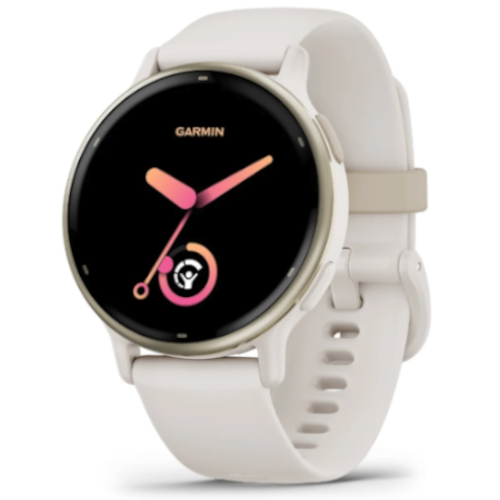
Most Garmin watches are far too expensive for this list. The exception is the Vivoactive 5, which gives you the essentials you need to improve as an athlete in a comfortably light design, with no subscription needed.
Best ultra-cheap watch
Best ultra-cheap watch
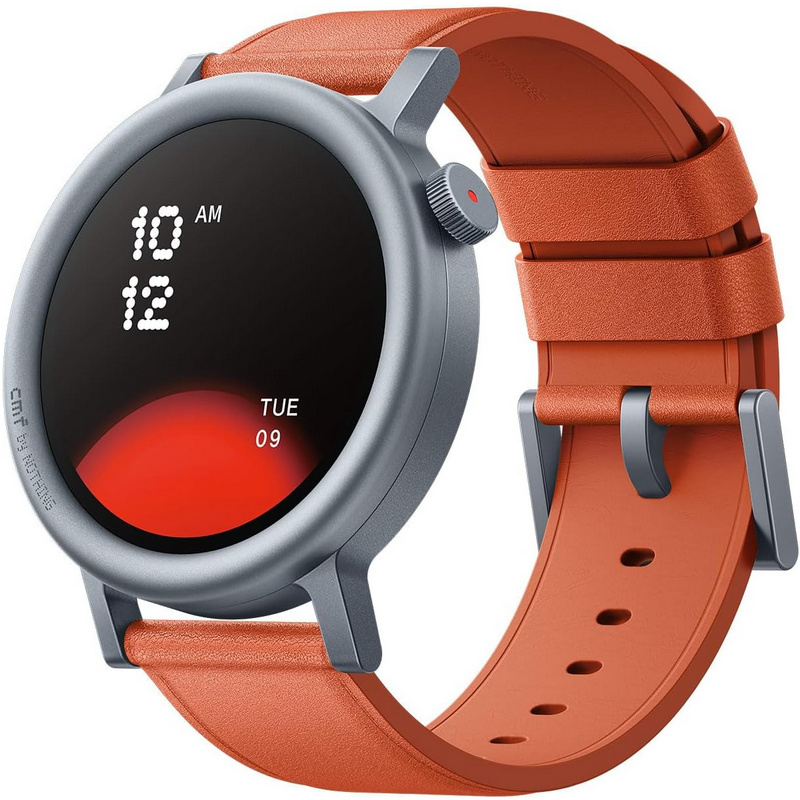
If you want to spend as little as possible on a smartwatch that still works with Android, get the CMF Watch Pro 2. It packs an 11-day battery, a 1.32-inch AMOLED panel, and much more.
Best overall
(Image credit: Ara Wagoner / Android Central)
Best overall
Specifications
Display: 1.3-inch (432×432) or 1.5-inch (480×480) AMOLED
CPU: Exynos W1000 (1.3GHz)
Memory / Storage: 2GB + 32GB
OS: Wear OS 6
Battery life: ~40 hours
Protection: 5ATM + IP68, MIL-STD-810H, Sapphire Crystal
LTE: ✔️ (optional)
GPS: ✔️ (dual-band)
NFC: ✔️
Health sensors: HRM, ECG, BIA, SpO2, skin temp
Reasons to buy+
Blazing performance
+
Full Android Play Store and Gemini smarts
+
Years of Wear OS support left
+
Large, bright displays
+
Durable design
+
Major deals available
Reasons to avoid-
Not especially long battery life
–
Only “cheap” with deal, and may go out of stock soon
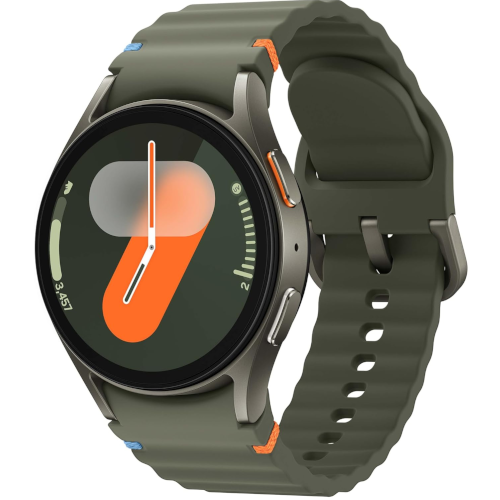
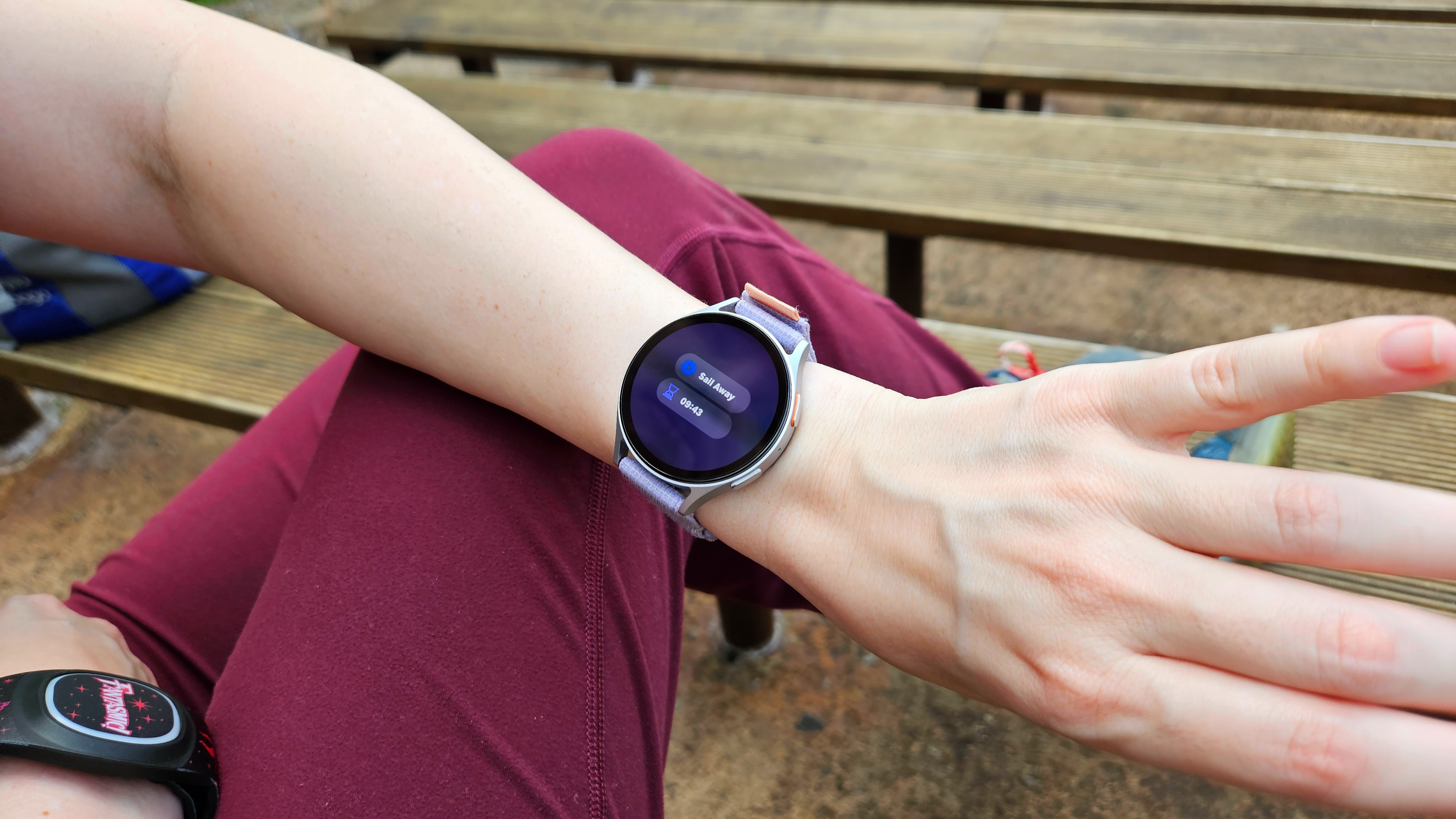
Samsung watches are getting more expensive; the Watch 8, Classic, and Ultra range from $350 to $650. But they’re also the best Android smartwatches for most people, and the Galaxy Watch 7 — originally $300, now $250 — is frequently on sale. As of late November, it’s fallen to $129, meaning you’re getting an absurd amount of value that puts every other pick on this list to shame.
Unlike the latest Galaxy Watch 8 with its skinny squircle redesign, the Galaxy Watch 7 has the same flat, circular look and digital bezel as years of past Samsung watches. You’re getting a 2,000-nit, high-res AMOLED display, fast performance, and accurate health sensors in a comfortably light, yet rugged, frame.
I can’t overstate how fast and powerful the Galaxy Watch 7 is with its Exynos W1000 chip and 2GB of RAM, compared to other picks on this list. Fitness watches with weeks-long battery life give you basic notifications and a few smarts, but only the Watch 7 can use Gemini commands to communicate directly with your favorite Google or Samsung apps, like checking your calendar or summarizing your latest email.
As a former mainline watch, the Galaxy Watch 7 has very few downsides, especially compared to the Samsung Galaxy Watch FE, a “budget” smartwatch released the same year that essentially rereleased the Galaxy Watch 4 with new software, three generations out of date. It’s probably going to go out of stock soon, so I’d suggest grabbing one now.
Honorable mentions: The Google Pixel Watch 3 is another watch that I can’t call “cheap,” but is affordable during sales periods. You can see our Galaxy Watch 7 vs. Pixel Watch 3 guide for the specifics, but Google’s watch is arguably more stylish but less rugged. It has Fitbit sensors and insights, but fewer Wear OS software updates.
Swipe to scroll horizontallySamsung Galaxy Watch 7 scorecard
Attribute
Quick look
Score
Display
Durable sapphire glass with vibrant AMOLED, available in two sizes
★★★★★
Design
Comfortably light, sports an MIL-STD-810H rating, but not as stylish as a “Classic” watch, with finicky touch bezel controls
★★★★☆
Price
I’d give five stars for its current deal price; normally, it’s still affordable for its value, but pricier than other picks
★★★☆☆
Performance
Wear OS and Gemini power outshine any other alternative on this list
★★★★★
Battery life
Up to 40 hours on a single charge, which is fine for a smartwatch but very short compared to fitness watches
★★☆☆☆
Features
Flagship-quality sensors (HR, SpO2, ECG, skin temp, and body fat readings); Play Store apps; Google Assistant
★★★★★
Best Wear OS alternative
(Image credit: Namerah Saud Fatmi / Android Central)
Best Wear OS alternative
Specifications
Display: 1.5-inch (480×480) AMOLED
CPU: Unknown
Memory / Storage: 2.2GB
OS: Zepp OS 4
Battery life: 14 days (7 days heavy use)
Protection: 5ATM, tempered glass
LTE: 🚫
GPS: ✔️ (dual-band)
NFC: ✔️
Sensors: HRM, SpO2, stress, breathing
Reasons to buy+
Zepp Flow and Coach AIs
+
Bluetooth calling and Alexa commands
+
Useful health & fitness tracking
+
Excellent battery life
+
Supports tap-to-pay
Reasons to avoid-
No third-party app support or LTE
–
No ECG or skin temp
–
May be a bit large and heavy for smaller wrists
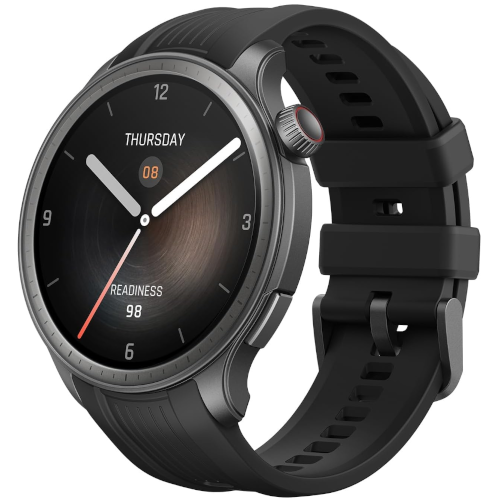
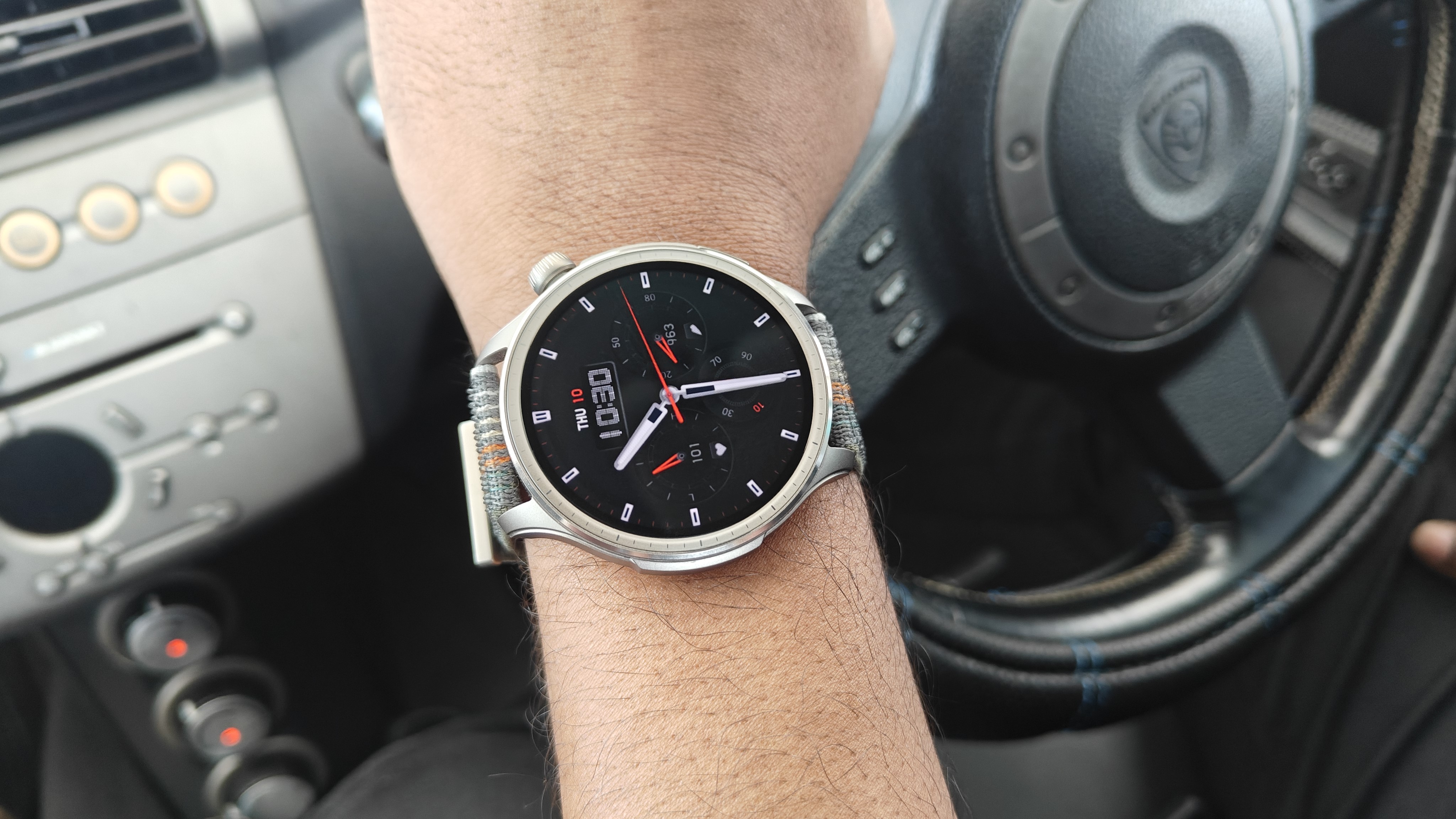
For all their smarts, Wear OS watches are typically expensive, and need to be charged every day or two. Amazfit’s watches can’t compete in some ways, but it’s consistently been one of the best bang-for-your-buck brands we recommend, with the majority of the best Amazfit watches falling in the sub-$200 range.
The Amazfit Balance, as its name implies, is one of the brand’s most well-rounded options, and like the Galaxy Watch 7, it’s frequently discounted as Amazfit clears out stock for the new-and-improved Balance 2 with better sensors and battery life. You can get it for a ridiculously low price for its value.
The Amazfit Balance includes a built-in mic and speaker for Bluetooth calls, as well as Amazfit’s offline voice assistant. Its newest feature, Zepp, powered by ChatGPT-4o, takes things further, letting you reply to messages hands-free, ask about your health stats, check the weather, and a lot more. It was occasionally glitchy during our review period but has continued to improve and get smarter over time.
Amazfit is also well-known for its health and fitness insights. It has 150+ sports modes, a daily readiness score, an AI coach that guides your workout suggestions, offline maps and routes, and meditation tools. It’s still missing AFib detection and skin temperature readings, but you can at least take quick readings of your heart rate, blood oxygen, and stress levels at any time.
Honorable mentions: As I said, Amazfit has plenty of cheaper options that eliminate specific features. Consider the Amazfit Active 2 if you want similar health and fitness tools for half the price of the Balance, or the Amazfit Bip 6 squircle for even less if you want something a bit more basic for reading notifications. The Amazfit Balance 2 is closer to $300 but has some worthwhile upgrades if you can save up a bit more.
Swipe to scroll horizontallyAmazfit Balance scorecard
Attribute
Quick look
Score
Display
Large, vibrant 1,500-nit display may be too large for some; tempered glass offers some protection
★★★★☆
Design
Attractive aluminum bezel with lighter polymer keeps it decently light for its size with nylon strap, silicone strap option available too
★★★★☆
Price
Very good value for its price, if not as affordable as other budget Amazfits
★★★★☆
Performance
Fast enough, though not as speedy as Wear OS with fewer apps
★★★☆☆
Battery life
Fantastic longevity, even with heavy use
★★★★★
Features
On-board Alexa; Zepp Flow messaging and convos; Zepp Coach training plans; dual-band GPS; in-depth sleep assessments
★★★☆☆
Best cheap fitness watch
(Image credit: Andrew Myrick / Android Central)
3. Fitbit Versa 4
Best cheap fitness watch
Specifications
Display: 1.58-inch (336×336) AMOLED
CPU: Unknown
Memory / Storage: N/A
OS: Fitbit OS
Battery life: 6 days
Protection: WR50, Gorilla Glass 3
LTE: 🚫
GPS: ✔️
NFC: ✔️
Health sensors: HR, SpO2
Reasons to buy+
Onboard GPS, HRM, and SpO2
+
Supports Fitbit Cardio / Training Load
+
Built-in mic & speaker
+
Google Maps, Wallet, and YouTube Music
+
New Fitbit Personal Health Coach coming soon
Reasons to avoid-
No music playback controls, 3rd-party apps, Wi-Fi, or voice assistant like Versa 3
–
Fitbit Premium sub required for most insights
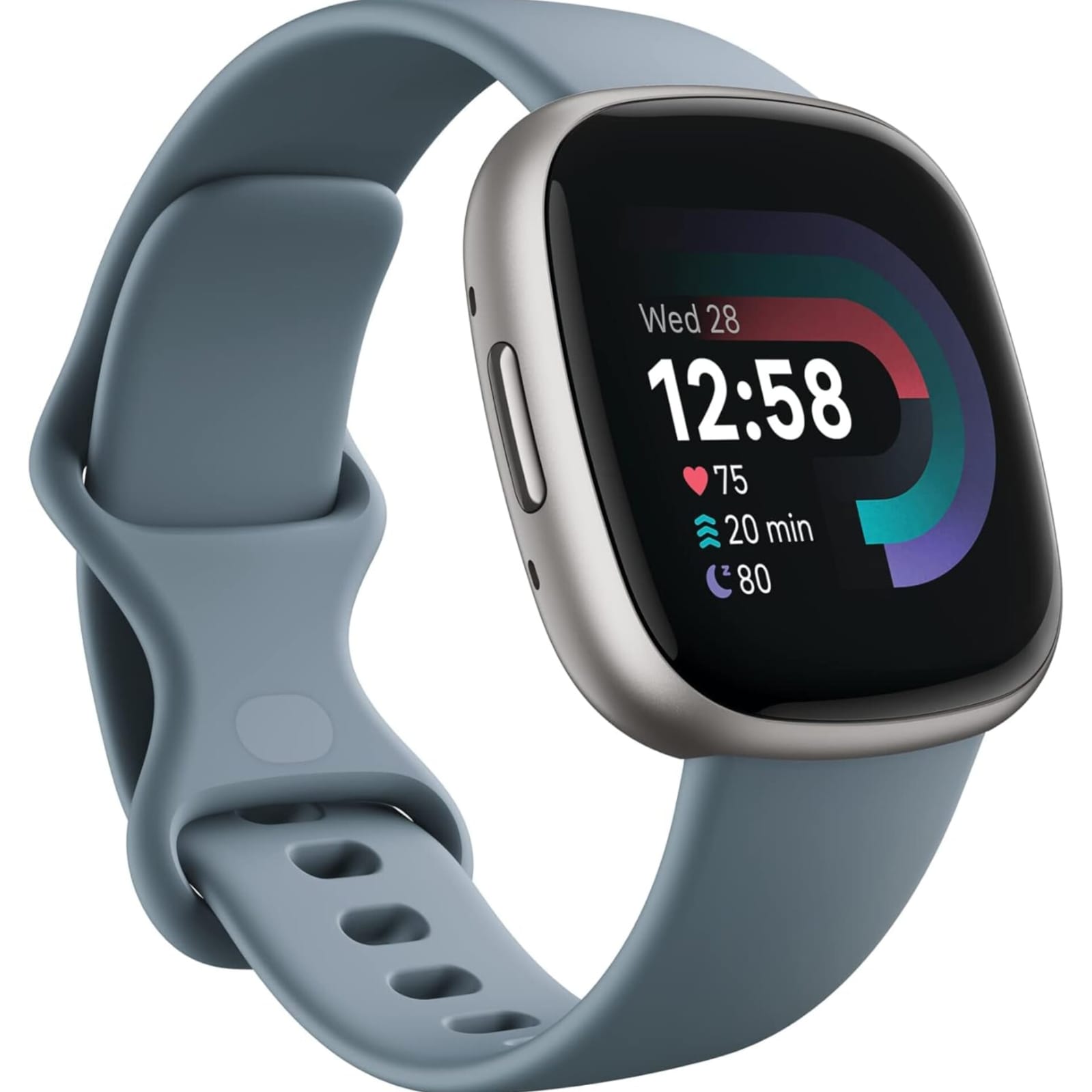
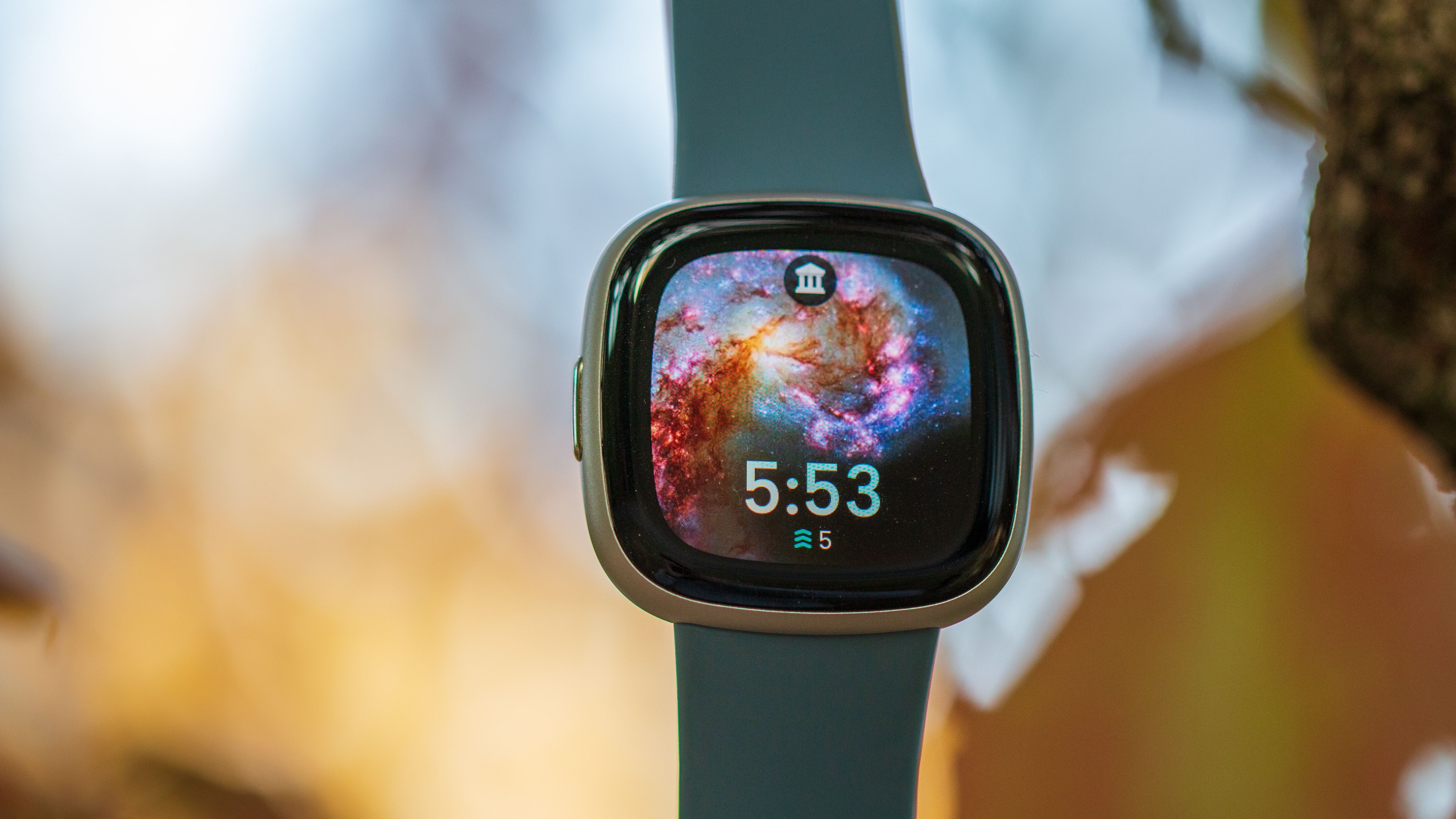
The Fitbit Versa 4 gives you the essential Fitbit health and fitness experience. You get nearly a week of battery life in a skinny, lightweight frame, with a large AMOLED display that’s much better for notifications than a Fitbit Charge 6 or Inspire 3. More importantly, you get accurate HR and SpO2 data, used to catch any AFib warning signs or judge your sleep quality and HRV levels.
Google acquired Fitbit before releasing the Versa 4, and it led to an odd mix of upgrades and downgrades. You get Google’s apps like Google Maps, Google Wallet, and YouTube Music, but you lose some of the smarts that the Versa 3 had, like Google Assistant, phone music playback controls, and a few third-party apps. At least you still have a mic & speaker for Bluetooth calling.
Most importantly, Google still upgrades its Fitbit insights, so the Versa 4 experience gets better even though the hardware is getting older. For example, the new Fitbit Cardio Load score judges how difficult your workouts are and shows whether you’re exercising enough.
Most recently, Google announced the Fitbit Personal Health Coach, which creates personalized workout plans based on your past fitness data, and lets you speak to a Gemini-powered AI coach to adjust your plans if you’re injured or busy. It can also use your health data as context to answer questions, and the redesigned app will show weekly “insights” into your data trends. It won’t be out of beta until sometime in 2026, but it proves that Google hasn’t abandoned Fitbit, even though we wish we’d gotten a newer Versa 5 by now.
Honorable mentions: We’ve seen the Fitbit Sense 2 available at $199 or less quite often, and it gives you better health sensors than the Versa 4, mainly an ECG and stress (cEDA) sensor. You might also be interested in the cheaper Fitbit Charge 6; you lose the pretty squircle display and altimeter, but gain the ECG and skin temperature, an upgraded HR sensor for accuracy, and a lighter fit.
Swipe to scroll horizontallyFitbit Versa 4 scorecard
Attribute
Quick look
Score
Display
Vibrant AMOLED squircle fits a ton of data on screen; could be brighter
★★★★☆
Design
Sleek and lightweight, though you may prefer a less square design
★★★★☆
Price
Already affordable, and discounts are common, but beware the Premium subscription
★★★★☆
Performance
Great for a Fitbit, average for a smartwatch
★★★☆☆
Battery life
Over six days on a single charge; fairly short-lived for GPS tracking
★★★☆☆
Features
Over 40 exercise modes; Fitbit Cardio Load and Daily Readiness Score; Google Maps; Google Wallet; YouTube Music
★★★★☆
Best cheap Wear OS watch

(Image credit: Michael Hicks / Android Central)
Best cheap Wear OS watch
Specifications
Display: 1.43-inch (466×466) AMOLED
CPU: Snapdragon W5 Gen 1 + BES2700BP MCU
Memory / Storage: 2GB + 32GB
OS: Wear OS 4
Battery life: 3 days
Protection: 5ATM + IP68, Gorilla Glass
LTE: 🚫
GPS: ✔️ (dual-band)
NFC: ✔️
Health sensors: HRM, SpO2
Reasons to buy+
Wear OS with proper apps and Gemini
+
Great battery life for a smartwatch
+
Accurate fitness data
+
Affordable for a Wear OS watch
+
Light, stylish design
Reasons to avoid-
Much slower updates than Samsung, Google
–
Only basic health sensors
–
Not “cheap” at full price
Most Wear OS watches are pricey, but if you’re looking for a cheap Android watch, there’s no better Android experience. I’ve previously recommended cheap, older options like the TicWatch E3, but the experience is very limited. The best compromise I can find today is the OnePlus Watch 2R, which was released in 2024 and is still a compelling option, especially at deal prices.
When I reviewed the OnePlus Watch 2R, I praised it for delivering comparable performance to a Pixel Watch at a lower price, as well as battery life and charging speeds that beat your typical Galaxy or Pixel Watch. That still holds true today.
It has a sporty look, one that proved surprisingly popular during a smartwatch beauty pageant I held last year thanks to its classical scale look, but you won’t find a smaller size option, nor crown navigation, advanced health sensors, or other perks you might expect on a smartwatch. It is a budget watch with downgrades to hit its lower price, unlike the Galaxy Watch 7.
Still, this is a much better compromise option than, say, a Galaxy Watch FE, and its 2–3 days of battery life — recharged from 0% in 60 minutes — is much easier to manage. My main complaint is that OnePlus missed its Q3 2025 deadline to bring Wear OS 5 to this watch; eventually, though, it should receive this update and Wear OS 6 in 2026.
Honorable mentions: While its pricing is inconsistent, the TicWatch Pro 5 is frequently available for under $200. Like the OnePlus Watch 2R, you get a 1.43-inch AMOLED display with minimal bezels, the same Snapdragon chip and RAM, and about three days of battery life. The main downside is that Mobvoi hasn’t managed to bring Gemini to its watches, one of the biggest perks of Wear OS.
Swipe to scroll horizontallyOnePlus Watch 2R scorecard
Attribute
Quick look
Score
Display
A large, 1,000-nit AMOLED display, but only available in one size
★★★☆☆
Design
Has a stylish design that’ll be popular with athletic types, though you’ll miss a crown; reasonably light aluminum
★★★★☆
Price
Very affordable for a Wear OS watch, but more expensive than most of my other recs
★★★☆☆
Performance
Performance on par with more expensive Wear OS watches, with the apps and smarts you’d expect
★★★★★
Battery life
Very solid battery life for a Wear OS watch, though much shorter than your typical fitness watch
★★★☆☆
Features
Play Store apps, Gemini, OHealth app with basic sensors, dual-band GPS
★★★★★
Best cheap Garmin watch
(Image credit: Credit: Garmin)
5. Garmin Vivoactive 5
Best cheap Garmin watch
Specifications
Display: 1.2-inch (390×390) AMOLED
OS: Garmin OS
Battery life: 11 days; 21 GPS hours
Protection: 5ATM, Gorilla Glass 3
LTE: 🚫
GPS: ✔️ (All-systems GNSS)
NFC: ✔️
Health sensors: HRM, SpO2, compass
Reasons to buy+
HR, stress, HRV, SpO2, & Body Battery
+
Sleep Coaching, nap detection, & breathing variations
+
Strong battery life
+
Comfortably light, well-suited for workouts
+
Garmin Coach and custom workouts
Reasons to avoid-
Fairly limited training tools compared to other Garmin watches
–
No larger display option
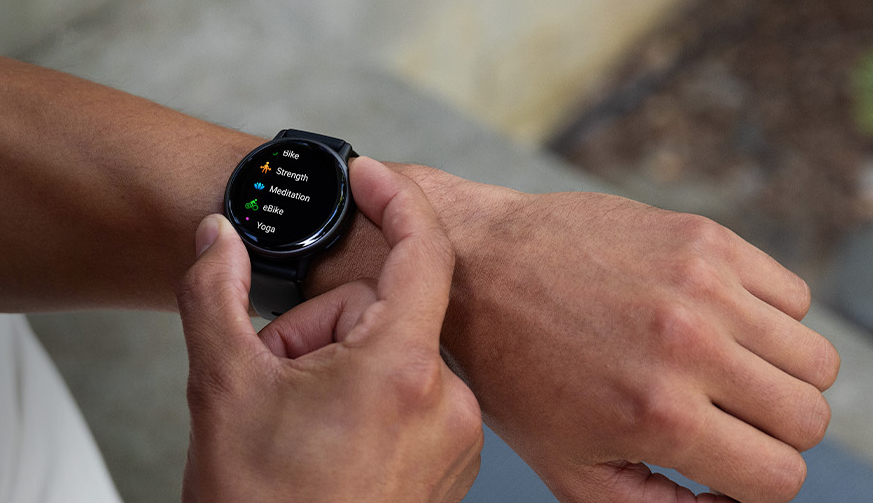
Garmin watches earn their own slot on this list, both because they’re so popular with athletes and because they’re typically on the expensive side. You can find some Garmin watches in the sub-$300 range, but very few “cheap” watches, and most are years old at this point. The Garmin Vivoactive 5, relatively new and frequently discounted, is the best compromise option I can still recommend.
Like most Garmin watches, the Vivoactive 5 will track whether you’re getting enough Intensity Minutes to stay healthy, and after every workout, it’ll describe the “workout benefit” for your body and give a recovery time suggestion so you don’t overtrain.
If you wear it for sleep tracking, it’ll give you a Body Battery estimate, with Sleep Coaching guidance on how to be better rested. And with the November 2025 update, it tells you whether your HR, blood oxygen, breathing rate, and other stats are within your usual baseline or show “outliers” indicating illness or overtraining.
If you splurge for the Garmin Vivoactive 6 or Venu 4, you get a much better range of smarts, more personalized training suggestions, Bluetooth calling, and so on. But price-locked features are how Garmin gets people to splurge, and the Vivoactive 5 gives you the essentials without taking you past a price range you’re comfortable with.
Honorable mentions: The Garmin Forerunner 165 is more specialized for outdoor athletes, with specific perks like an altimeter for elevation tracking and daily suggested runs tailored to your VO2 Max, but it’s not as stylish or well-rounded as the Vivoactive 5. The Garmin Lily 2 or Vivomove Sport trend the opposite direction, with stylish hybrid designs and a few essentials, but without core perks like GPS and Garmin Pay. And outside of Garmin, the COROS PACE 3 has fantastic training tools and battery life, but the MIP display won’t work for some people.
Swipe to scroll horizontallyGarmin Vivoactive 5 scorecard
Attribute
Quick look
Score
Display
Small AMOLED display is better than old Garmin MIPs, but too small for some
★★★☆☆
Design
Comfortably light and available in four colors, without the button-heavy look of other Garmins
★★★★☆
Price
Affordable for a Garmin watch, but you’re still paying more than you would for other brands
★★★☆☆
Performance
Basic health and fitness tracking; 4GB for music storage for a few apps; otherwise fairly limited for apps
★★★☆☆
Battery life
Much longer than a smartwatch and beats most other fitness watches
★★★★★
Features
Built-in GPS, Body Battery, Morning Report, Health Status, Nap Detection, Garmin Coach, Wheelchair Mode, custom workouts
★★★★☆
Best ultra-cheap watch
(Image credit: Nicholas Sutrich / Android Central)
6. CMF Watch Pro 2
Best ultra-cheap watch
Specifications
Display: 1.32-inch (466×466) AMOLED
CPU: Unknown
Memory / Storage: N/A
OS: Proprietary
Battery life: 11 days, 9 days (heavy)
Protection: IP68, 2,500 scratches tested
LTE: 🚫
GPS: ✔️
NFC: 🚫
Health sensors: HRM, SpO2
Reasons to buy+
Incredibly affordable
+
High-res, high-hz AMOLED display
+
Durable design
+
Impressive battery life with built-in GPS
+
Bluetooth calling and assistant
Reasons to avoid-
No contactless payments
–
Lower cost leads to cutbacks
–
Google Health Connect support won’t arrive until later in 2025
Closing out our list of the best cheap Android smartwatches, we had to include the CMF Watch Pro 2, a smartwatch that sounds expensive but costs less than half of what you’d pay for our top budget picks.
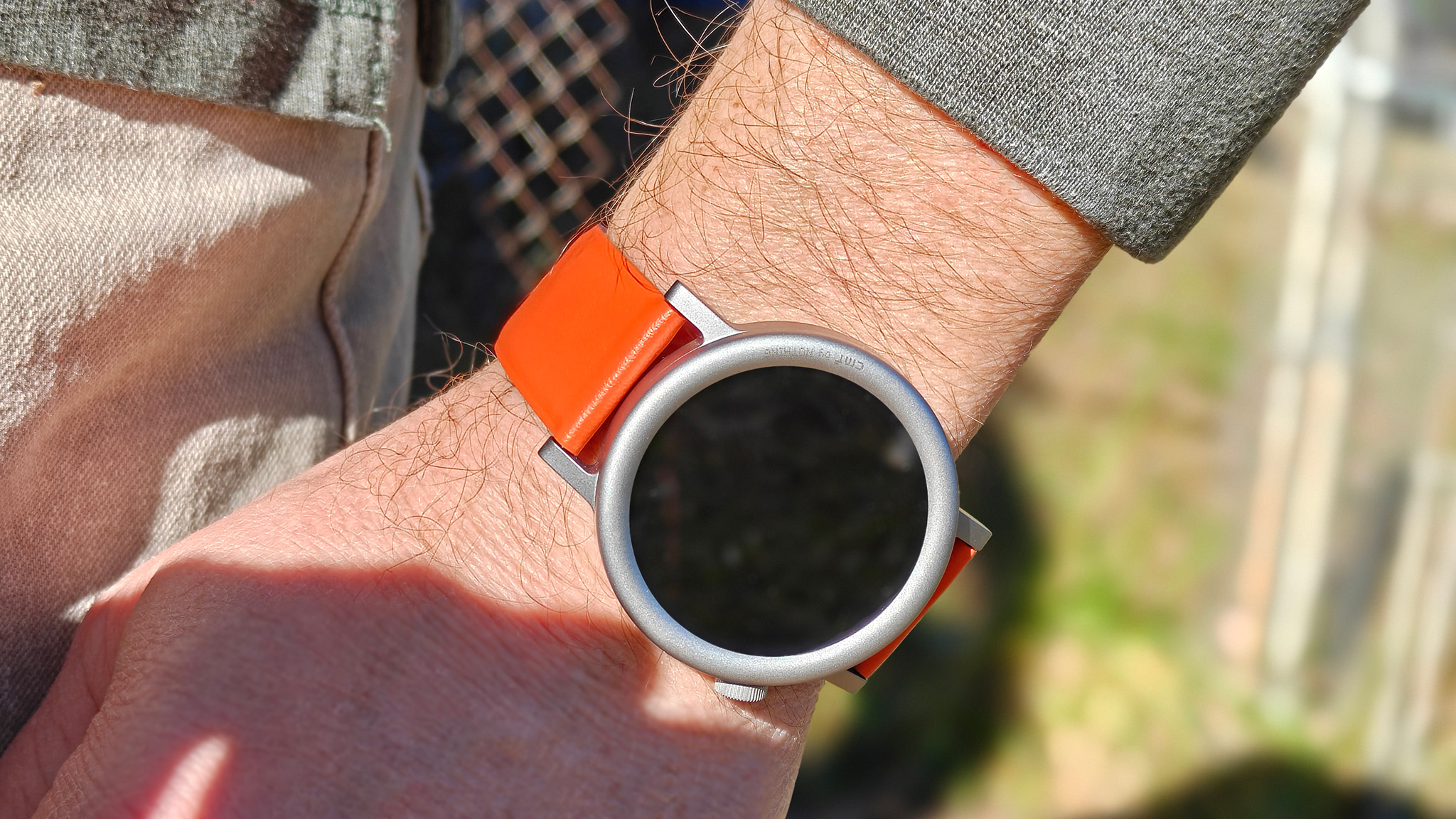
Nothing’s sub-brand CMF has packed an impressive set of features into this sub-$100 smartwatch. Alongside essentials like heart rate and blood oxygen tracking, you get a built-in GPS, plus a mic and speaker for Bluetooth calls, which are rare at this price point. It even has tools like reminders, calendar, and alarms, although they’re not as advanced as what you’d find on a typical Wear OS watch.
The AMOLED display isn’t the brightest at 620 nits, but its 353ppi pixel density and 60Hz refresh rate match higher-end watches. You can use it for an entire week before it needs a recharge, and Nothing promises dozens of hours of GPS battery life, too. The rotating crown is helpful for navigation, and its distinct aluminum bezel is interchangeable if you want to switch up your style.
Of course, this low price point comes with trade-offs in accuracy and performance, and you indeed won’t find the robust apps you’d expect on the Galaxy Watch FE. That said, it’s genuinely impressive how much Nothing has squeezed into a wearable that is this affordable, and I can’t name another in its price range I’d trust enough to recommend.
Honorable mentions: The CMF Watch Pro 3 is also extremely cheap, and it has some key improvements like an upgraded HR sensor, more sports modes, AI-powered running guidance and real-time coaching, dual-band GPS, and more. It’s probably the better choice, but if price is your priority, the Pro 2 is where to start.
Swipe to scroll horizontallyCMF Watch Pro 2 scorecard
Attribute
Quick look
Score
Display
353 PPI, 60Hz, 620 nits in 1.3-inch display is impressive at this price, decent otherwise
★★★☆☆
Design
Has a very distinct personality; a bit thick, with fun colors and interchangeable bezels
★★★★☆
Price
You can’t find a reliable Android smartwatch for less than this
★★★★★
Performance
Not going to be as responsive as a Wear OS watch, though it tries its best to offer smarts
★★☆☆☆
Battery life
Impressive longevity for normal and fitness use
★★★★☆
Features
120 sports modes, Bluetooth calling, reminders, calendar, alarms, music controls, voice assistant, calculator
★★★☆☆
How to chooseChoosing from the best cheap Android smartwatches
Why you can trust Android Central
Our expert reviewers spend hours testing and comparing products and services so you can choose the best for you. Find out more about how we test.
There’s a wealth of cheap Android smartwatch choices. Your first, most important decision comes down to the operating system. Wear OS provides the most advanced Android experience, with Gemini support, apps, and years of feature updates to come. Most fitness watches will only have a few tools like timers and weather summaries, and if they have voice assistants, they’re only built to understand the most basic commands.
The downside to Wear OS watches, aside from the fact that they’re usually more expensive, is that you’ll need to charge them much more often, and they can sometimes be bulky to fit all their extra hardware. You may prefer a cheaper fitness watch that’s more comfortable for sleep tracking and only needs to be charged once a week.
Some fitness watches are smarter than others, but you’ll typically have to pay much more than $200 to get the best smarts in a fitness watch. So you’ll have to decide what features you need and what you can sacrifice. Garmin watches, for example, give you great fitness tools at a “cheap” price but charge much more for perks like Bluetooth calling or ECGs, while a cheap Fitbit gives you these tools but not the same level of training guidance.
Make sure to do your research before you buy so you don’t regret your choice. There’s no point in “saving money” on a cheap watch that doesn’t serve your needs!
How we test
Why you can trust Android Central
☑️ One of the oldest and most trusted Android sites on the web
☑️ Over 15 years of product testing
☑️ Thousands of products reviewed and tested since 2007
☑️ Dozens of smartwatches, fitness trackers, and smart rings tested every year by our team
When our wearables team—led by senior editor Michael Hicks—reviews a new smartwatch, the device undergoes a series of hands-on tests and use-case scenarios to prove that it’s a proper match for our favorite Android phones.
We test for performance, battery life under heavy and light use, and, most importantly, health and fitness tracking accuracy. After all, accuracy matters if you rely on a smartwatch for health data. That’s why we never take manufacturer claims at face value.
That means that Michael is hitting the streets with chest and arm straps to verify heart rate accuracy, wearing a pedometer to confirm step counts, and comparing the results of multiple GPS watches simultaneously to test mapping data.
Round up of today’s best deals