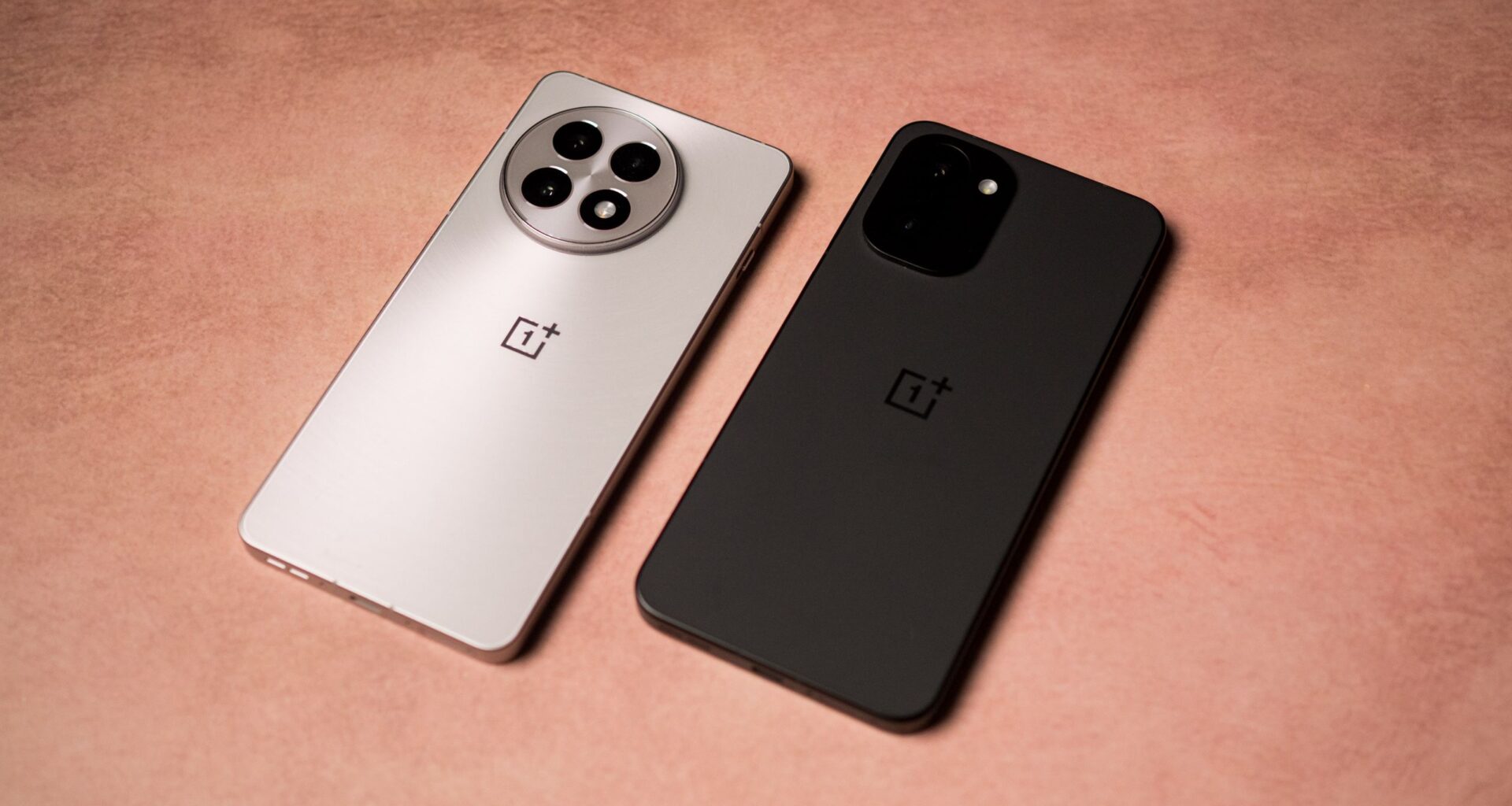
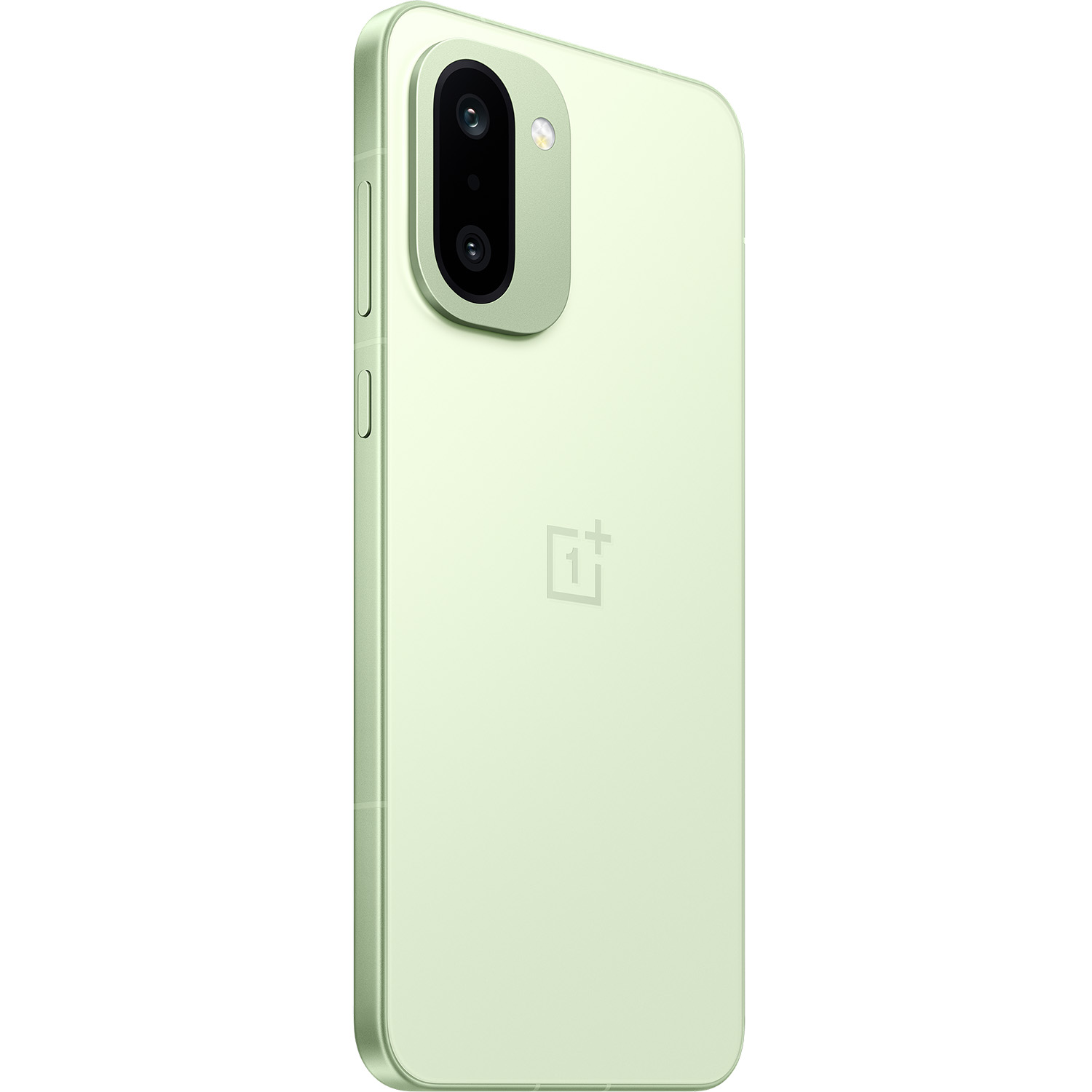
Not what we expected
The OnePlus 15R is not the value flagship we were hoping for. While it does offer a few features that have improved over the 13R, the higher price and lack of critical features makes this quite a disappointing release.
Pros
- Bright AMOLED panel
- Great battery life
- Good performance
- IP68 and IP69 water resistance
Cons
- No telephoto lens
- Underwhelming cameras
- Costs more than the 13R
- Bland design
- No 16GB model this time

Grab it while you can
The OnePlus 13R is $100 cheaper than the 15R and you get a dedicated telephoto camera here. It’s just as powerful, lighter, charges at the same rate, and comes with a brighter AMOLED display.
Pros
- More durable design
- Terrific hardware
- Upgraded main camera
- Outstanding battery life
- Comes with 256GB storage as standard
- Fluid software
Cons
- Takes nearly an hour to charge
- Auxiliary cameras still not as good as main lens
- Water resistance limited to IP65
OnePlus 15R vs. OnePlus 13R: Design and display
(Image credit: Harish Jonnalagadda / Android Central)
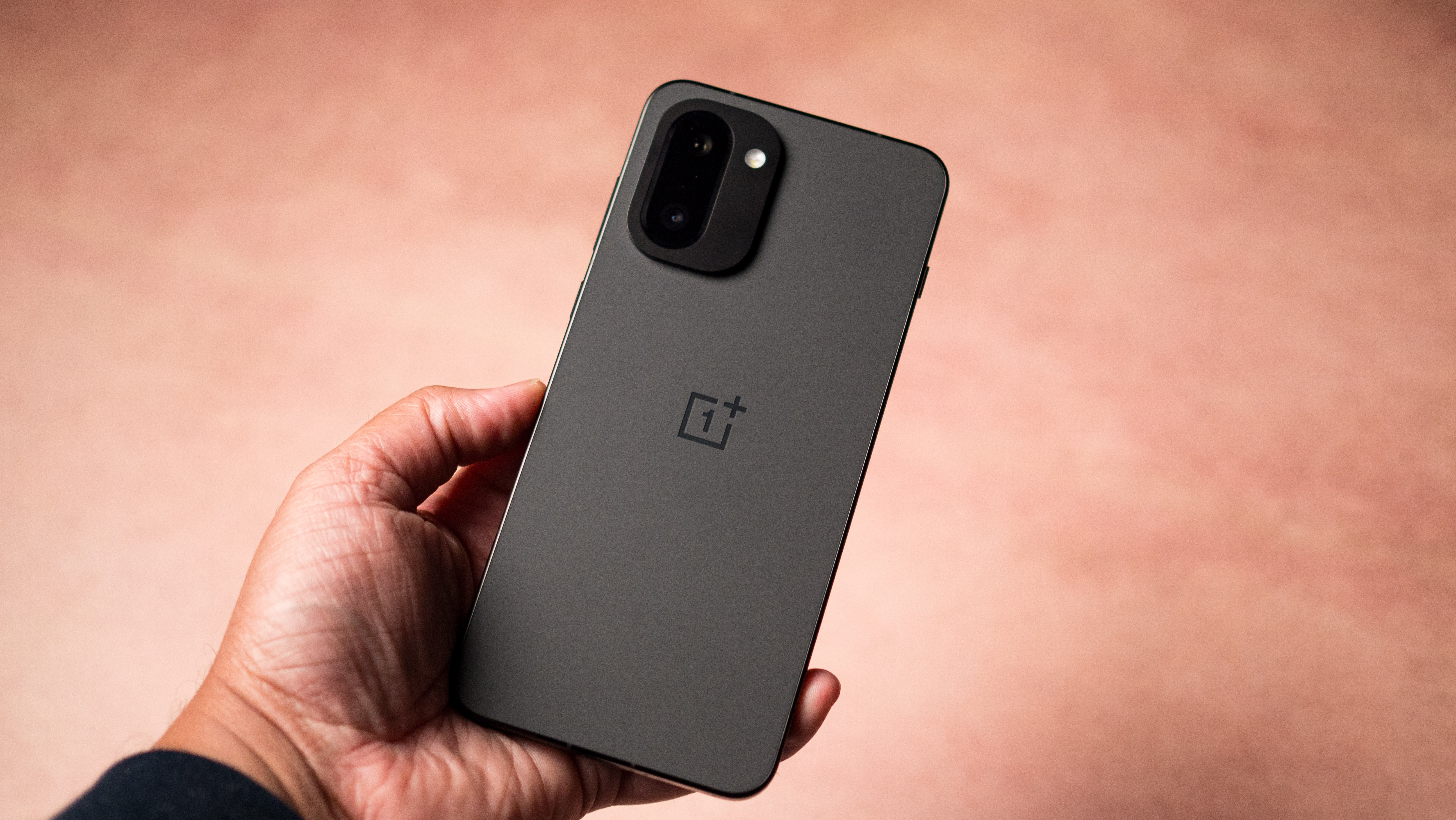
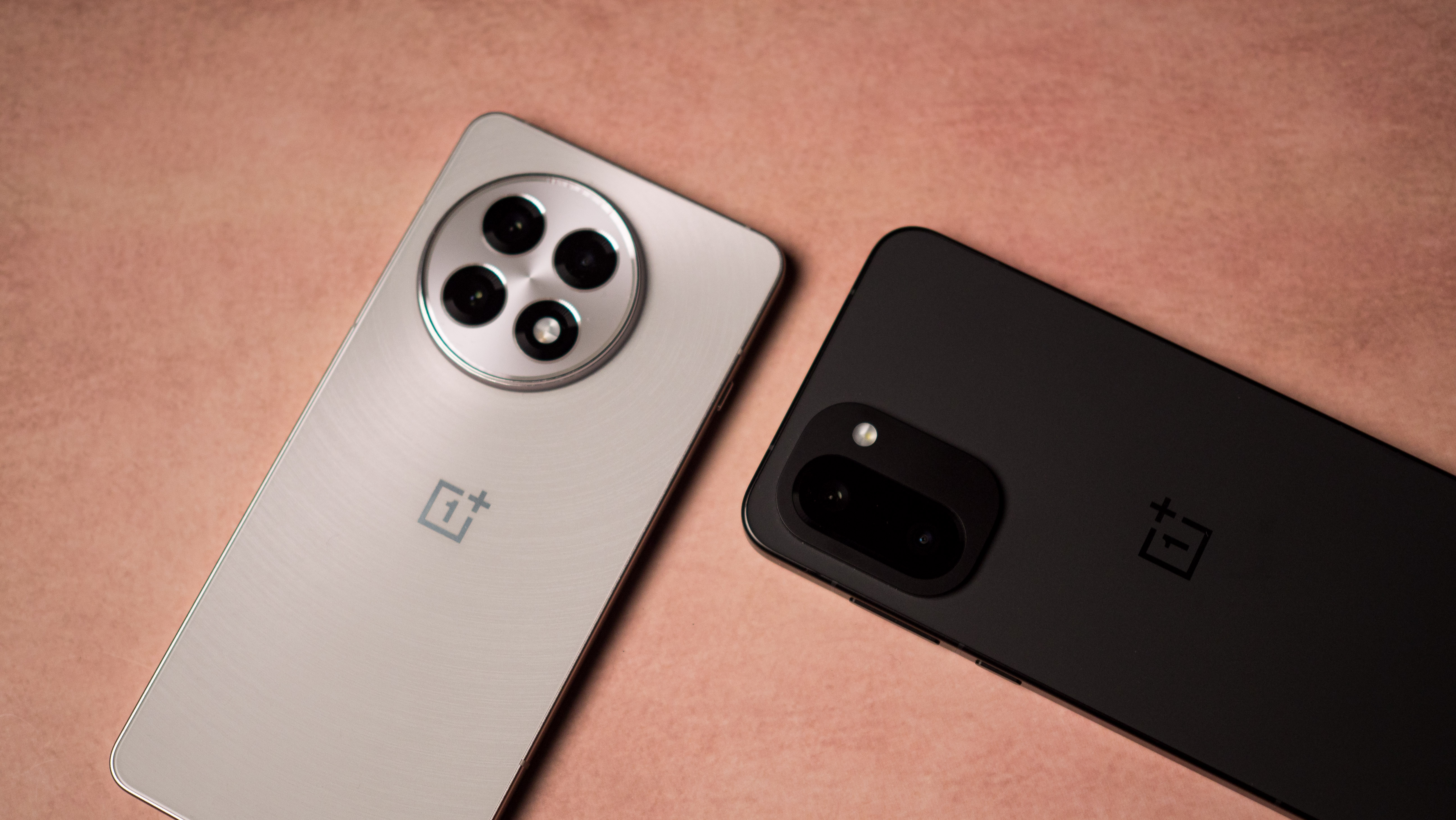
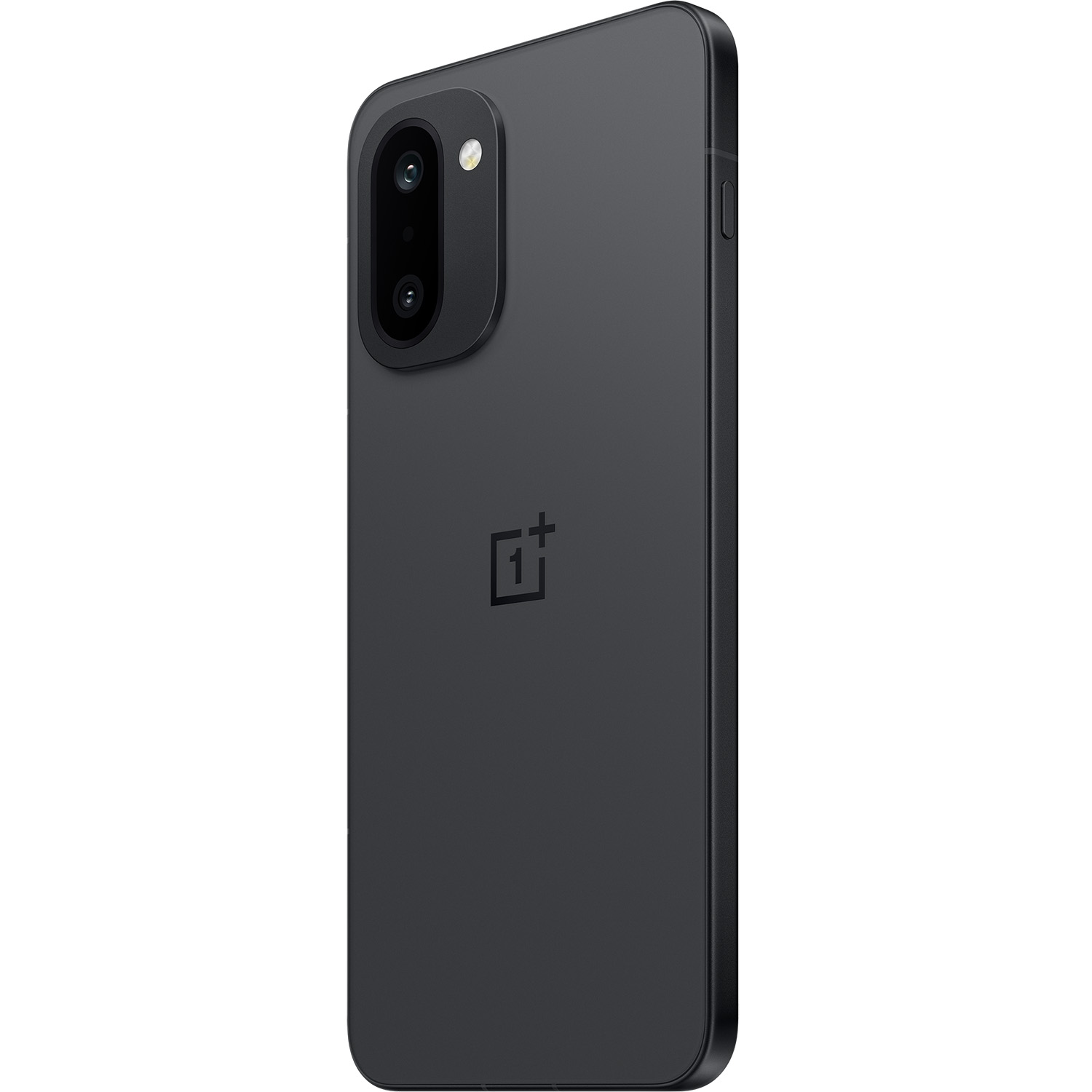
OnePlus had an iconic circular camera island design for the past two generations, but that’s been traded in for a more generic look with the new 15 series. The OnePlus 15R looks a lot like the OnePlus 13s, the compact flagship from mid-2025. The 15R has a pretty forgettable design, and its colors don’t really help it stand out. The Electric violet shade is the only fun color, but that’s limited to just one region for now.
You may like
Build quality is solid nonetheless, and the OnePlus 15R comes with an upgraded fingerprint sensor and up to an IP69 rating for dust and water resistance. It’s thicker and heavier than the OnePlus 13R, which is noticeable. The 15R also misses out on the classic Alert slider, which has been replaced by a customizable “Plus Key” button.
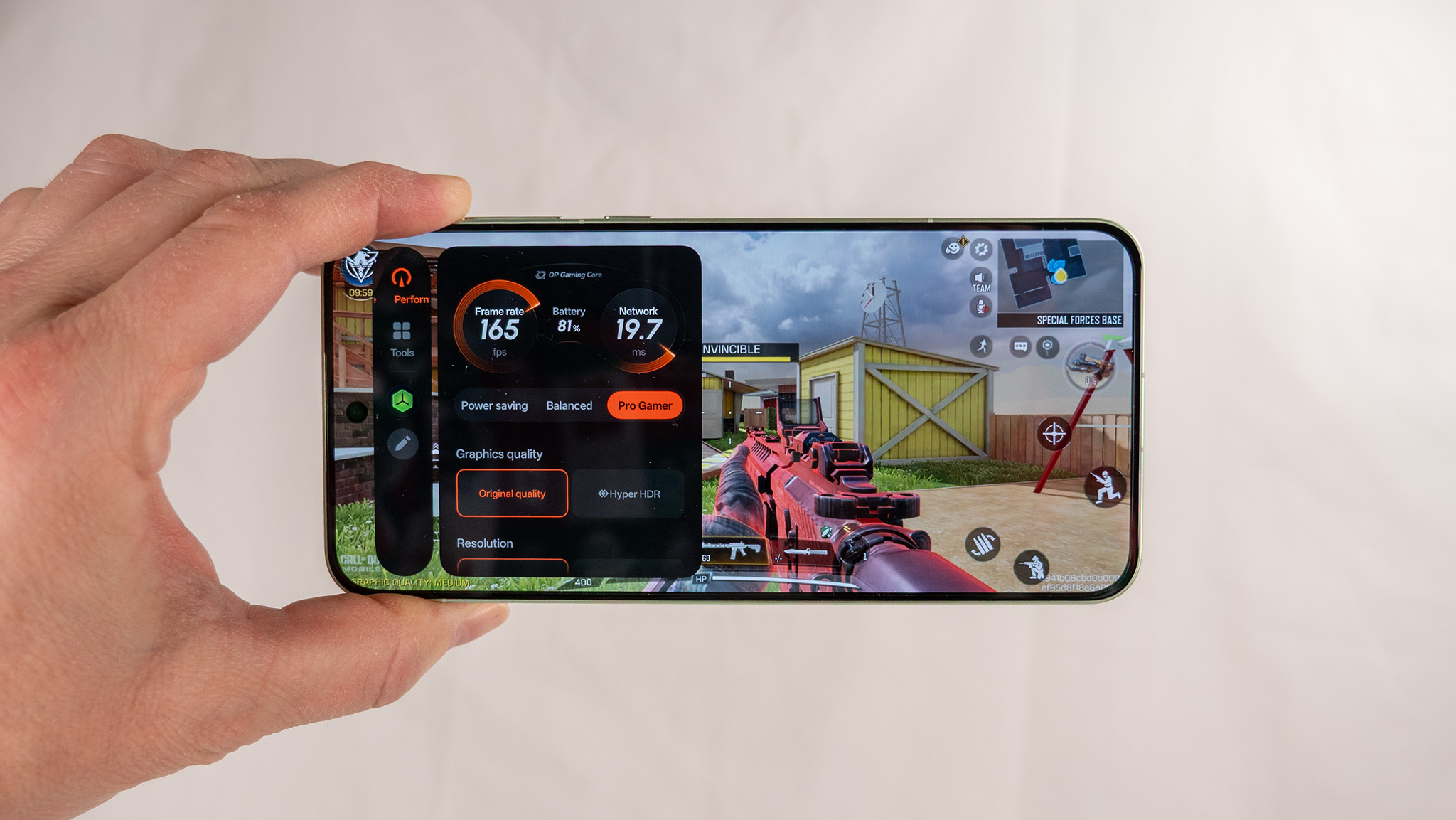
One of the 15R’s big redeeming qualities is its display. OnePlus has used a 1.5K resolution LTPS AMOLED panel, and we’ve found it to be extremely good. The company is hyping the 165Hz refresh rate, but this is only really usable in a handful of games. Under normal usage, the display runs at 120Hz for the most part. OnePlus uses a custom Panda glass for scratch protection that isn’t as impact-resistant as Corning’s solution.
(Image credit: Apoorva Bhardwaj / Android Central)
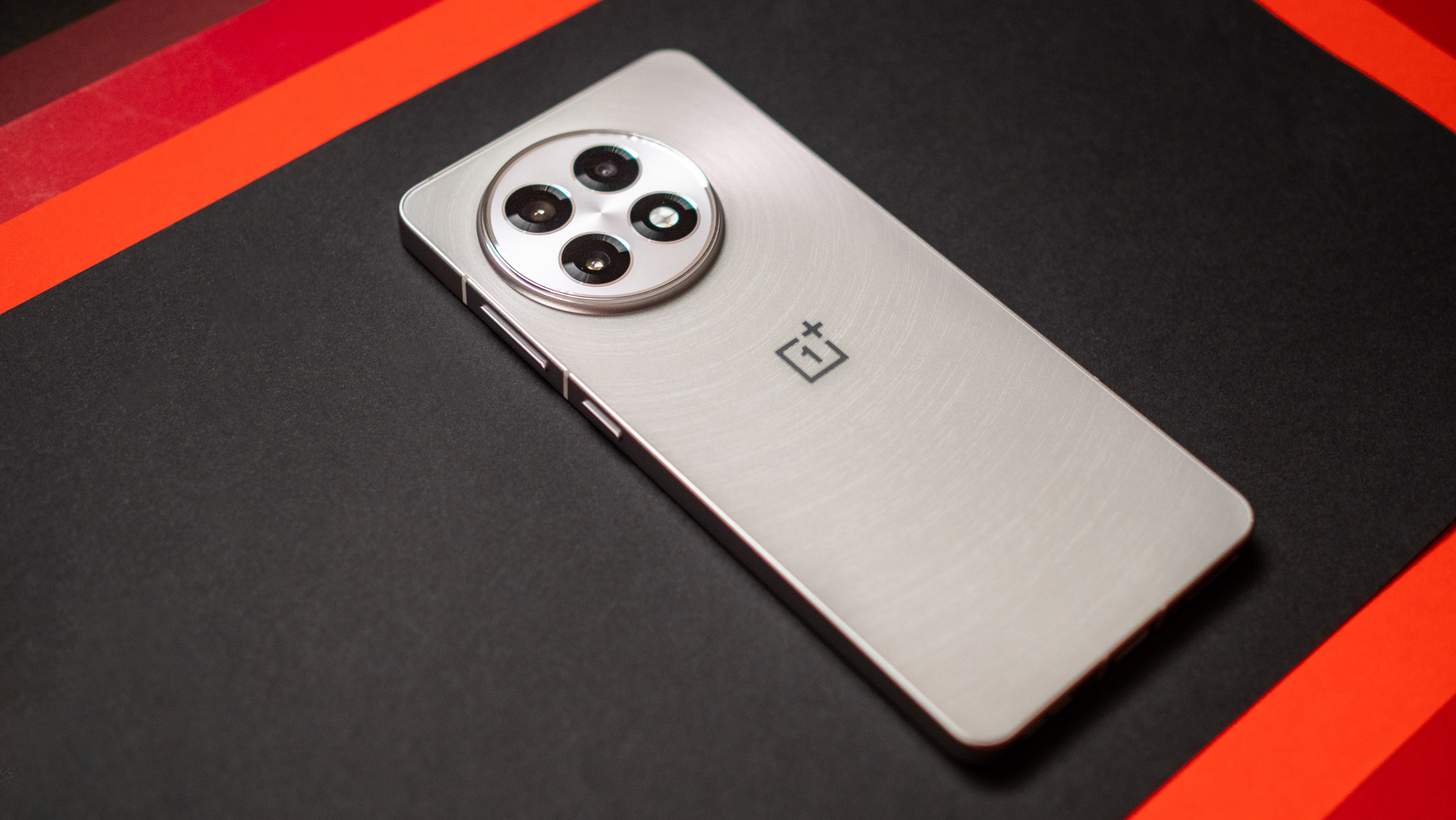
The OnPlus 13R is instantly recognizable as a OnePlus device. It’s lighter and slimmer than the 15R, making it easier to hold and use for longer periods. It retains the Alert slider, which we’ve all come to know and love over the years, letting you quickly switch between silent, vibration, and ringer modes.
The phone uses the older-style optical fingerprint sensor, which is not bad, but it won’t be as accurate or quick as the ultrasonic one used in the 15R. The last bit, where the 13R lags behind, is the waterproofing. With just an IP65 rating, the phone is only rated to withstand splashes of water, not heavy ingress or submersion.
The display of the OnePlus 13R holds up well against the 15R. It’s roughly the same size and resolution, and even though the refresh rate is just 120Hz, it can get much brighter, reaching 4,500 nits at peak. OnePlus also uses something called Aqua Touch on the 13R’s panel, which essentially lets you use the display normally even if water is on it.
Between the two phones, based on design alone, I’d pick the OnePlus 13R. It also comes in just two colors, but I think it looks better, and I love the fact that it’s lighter.
OnePlus 15R vs. OnePlus 13R: Hardware & specs
(Image credit: Harish Jonnalagadda / Android Central)
The OnePlus 15R is one of the first phones to feature Qualcomm’s newest value-flagship chip, called the Snapdragon 8 Gen 5. If you’re confused about the naming convention, you’re not alone. It’s a step down from the Elite-branded chips but is also slightly more potent than the 8 Gen 3 chip found in the 13R.
For starters, it’s built on a smaller 3nm node (vs. 4nm), uses Oryon CPU cores similar to those in Qualcomm’s laptop chips, and packs newer Wi-Fi and 5G modems. In short, the 15R will deliver higher benchmark scores than the 13R, but for most day-to-day tasks, there shouldn’t be any tangible difference.
The new power-efficient chip and a much larger 7,400mAh battery allow the 15R to achieve much better battery life figures. You can easily use this phone for two days straight without any worry about charging. There’s no wireless charging, just like the 13R, but you get 80W fast charging, and the charger comes in the box.
The OnePlus 15R starts at $700 for 12GB RAM and 256GB storage, and the $800 for 512GB of storage. OnePlus has kept the RAM the same across storage tiers, unlike before. The phone only comes in two colors — Charcoal Black and Mint Breeze.
Swipe to scroll horizontally
Category
OnePlus 15R
OnePlus 13R
OS
OxygenOS 16 (based on Android 16)
Android 15 (up to four OS upgrades)
Colors
Charcoal Black, Mint Breeze, Electric Violet (India only)
Astral Trail, Nebula Noir
Screen Size
6.83 inches
6.78 inches
Screen Resolution
2,800 x 1,272
2,780 x 1,264
Screen Type
1.5K AMOLED
AMOLED
Refresh Rate
165Hz LTPS
120Hz LTPO
Processor
Snapdragon 8 Gen 5
Snapdragon 8 Gen 3
RAM
12GB
12GB
Storage
256GB, 512GB (not expadandable; 512GB only for Charcoal Black)
256GB (not expandable)
Cameras
50MP main, 8MP ultra-wide, 32MP front
50MP main,
50MP telephoto,
8MP ultra-wide, 16MP front
Speakers
Stereo Speakers, Dolby Atmos support
Stereo Speakers, Dolby Atmos support
Battery
7,400mAh
6,000mAh
Wireless Charging
No
No
Bluetooth
6.0
5.4
Water Resistance
IP68, IP69, IP69K
IP65
Cellular
5G
5G
Size
163.41 x 77.04 x 8.3 mm
161.7 x 75.8 x 8 mm
Weight
214-215 grams
206 grams
The OnePlus 13R is still retailing for the same $600 that it launched at. This is for the 12GB RAM and 256GB storage variant. In some regions like India, you can even get a 16GB/ 512GB variant. Of course, the 13R can also be found at discounted prices during sales, something the 15R won’t see for a while.
The 13R uses Qualcomm’s Snapdragon 8 Gen 3, which is still a very capable chip from 2024. There is some thermal throttling that kicks in after 30 minutes of sustained load, but this threshold is still better than what we saw on the OnePlus 13. Performance is fantastic, be it gaming or multitasking.
Battery life is equally good thanks to the 6,000mAh capacity. Just like the 15R, you can expect to go up to two full days before needing to charge it again. Charging time is a bit longer, though, as the 13R uses a single-cell battery vs. dual cells.
OnePlus 15R vs. OnePlus 13R: Software
(Image credit: Nicholas Sutrich / Android Central)
The OnePlus 15R ships with OxygenOS 16, which is based on Android 16. It’s slated to get four OS upgrades and six years of security updates. This latest version brings a bunch of useful AI features, a new design language, and greater customization. We’ve done a deep dive into all the best Oxygen OS 16 features, so be sure to check it out for all the details.
The OnePlus 13R will also get the same set of features once you update it to the latest software version. In terms of functionality, both phones should be nearly identical. The 13R will also receive up to four OS upgrades and six years of security patches.
OnePlus 15R vs. OnePlus 13R: Cameras
(Image credit: Apoorva Bhardwaj / Android Central)
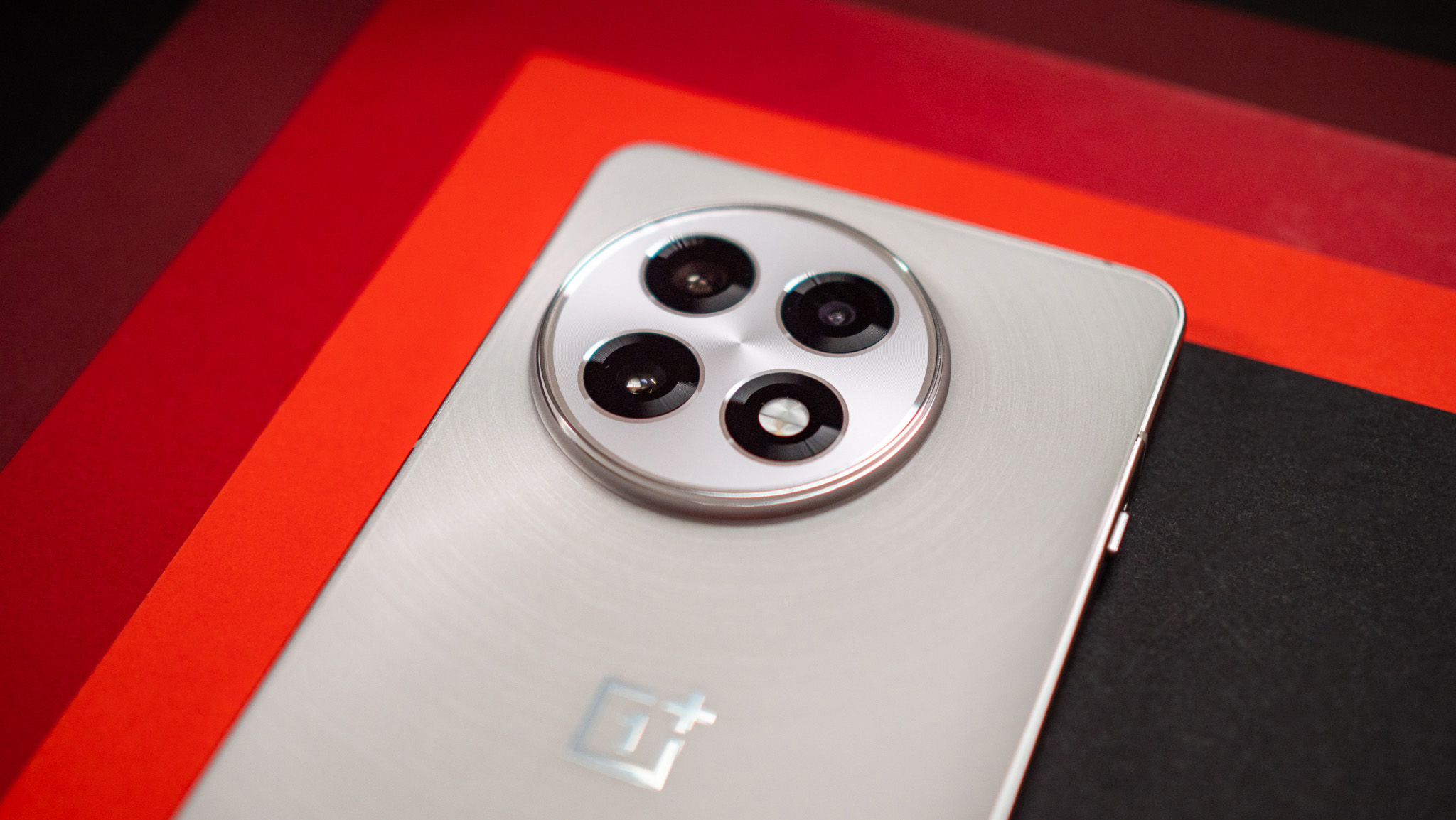
The OnePlus 15R has one big omission in the camera department, and that’s the lack of a telephoto camera. I’m not sure what possessed OnePlus to remove it when the 13R was the first R-series phone to get it, and we all loved it for it.
There’s a 50MP main and an 8MP ultrawide on the back, but the front camera is upgraded to a 32MP sensor. The main camera module itself is not bad, but the ultrawide is objectively worse than the 13R. Selfies from the 15R should look a bit better compared to the 13R, but be prepared for worse zoom shots.
The auxiliary cameras on the OnePlus 13R aren’t particularly great either, but the phone still delivers good shots with the primary sensor. The telephoto camera with its 2x optical zoom delivers crisp, magnified photos, something that we thought was lacking with the 15R.
OnePlus 15R vs. OnePlus 13R: The choice is obvious
(Image credit: Harish Jonnalagadda / Android Central)
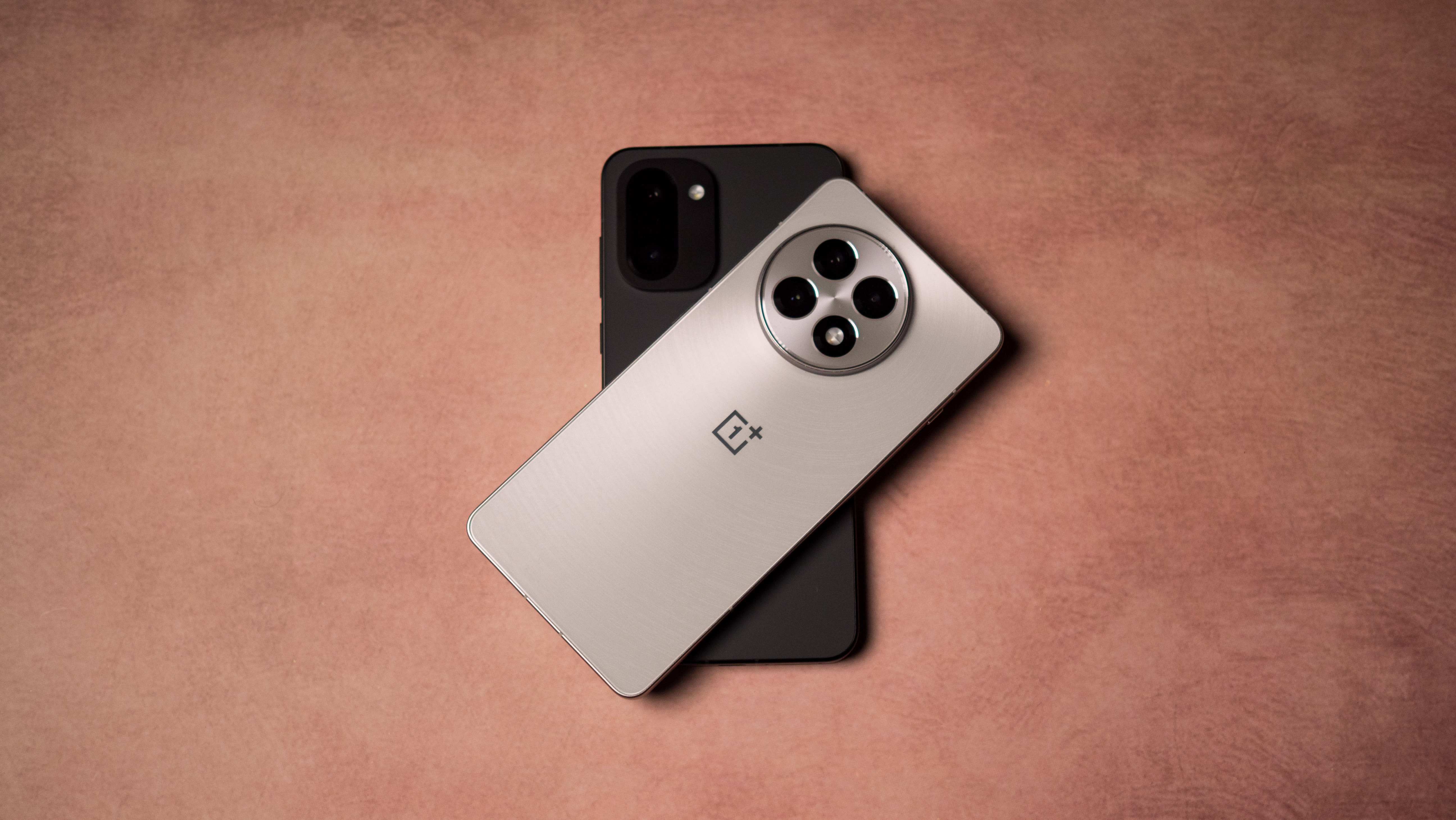
Android Central’s Harish Jonnalagadda couldn’t have said it better in his review — don’t buy the OnePlus 15R. The improvements given to it simply do not justify the lost features and higher price. Plus, the fact that it looks pretty uninteresting and boring compared to its predecessor is another reason to avoid it.
The OnePlus 13R is one of the best OnePlus phones, and even though it might lack some raw benchmark performance, it’s still a solid value flagship that’s not even been around for a full year. I imagine demand for the 13R should spike, which could put it out of stock sooner than expected, so grab one while you can.
OnePlus seems to have missed the ball completely on its 15 series, and neither phone is especially impressive when compared to its predecessor. It seems the company is trying to pivot the number series towards the mobile gaming audience, which would explain the focus on bigger batteries and faster displays, and the less importance given to the cameras. I guess the sales of the 15 series will decide if the company will continue down this path or revert back to offering proper value flagships.
Skip this one
The OnePlus 15R isn’t a bad phone, per se, but you’ll get more value from the OnePlus 13R which was only launched only in Jan of 2025. Unless the price drops by $100 or more, there’s simply no reason to buy this while the 13R is around.
Simply the best
The OnePlus 13R is looking like even better value than when it launched, especially compared to the 15R. It’s a great all-rounder with a smooth and bright display, big battery, decent cameras, and good performance.