Buying a new camera can quietly make your photos worse, even if the specs are better. The problem is not your taste or your ambition, it is the gap between what the camera can do and what you can run without thinking.
Coming to you from Craig Roberts, this blunt video starts with a claim you might resist: you probably are not as good as you think you are. Roberts is not trying to insult you; he is describing a pattern he sees when people confuse confidence with control. He tells a quick story about someone who jumped from an older SLR to a “latest” mirrorless body and felt like they went backward overnight. The photos did not improve, the menus got in the way, and the whole process stopped being fun. If that sounds familiar, the video is uncomfortable in a useful way, because it frames the issue as a skills problem first, not a shopping problem.
Roberts argues that the “right” camera is often the simplest one, not the newest one. He keeps coming back to a short list: shutter speed, aperture, ISO, and a working understanding of exposure modes like aperture priority. When those basics are buried under pages of options, you end up hunting through menus instead of reacting to the scene. That is where expensive upgrades can turn into a trap, especially when the purchase is driven by marketing or copying what someone else uses. The point is not that modern cameras are bad, it is that complexity taxes you the moment you are tired, rushed, or trying to think about composition.
The most useful stretch of the video is where Roberts draws a hard line for when an upgrade is earned. He pushes you to know what each f-stop does, how shutter speed changes motion, and how ISO shifts noise and exposure, without needing reminders. He also brings up white balance, not as a nerdy side topic, but as a control you should be able to predict before you press the shutter. Then he goes one level deeper: metering. If you regularly “fix it later” because the camera underexposed or overexposed, he suggests that is feedback that you do not yet understand how your camera is reading the scene. That critique lands because it is practical, and it forces you to separate “I can afford it” from “I can drive it.”
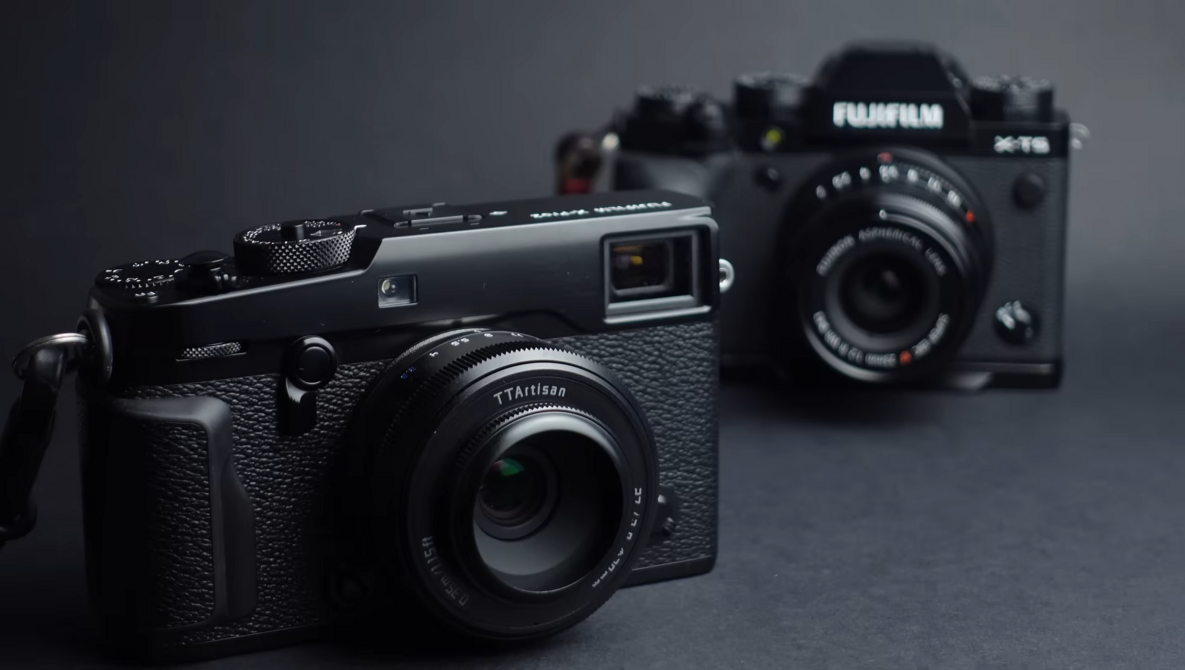
Roberts uses real examples from his own path, including the Fujifilm X-T5 versus the older Fujifilm X-Pro2, and how preference is not always tied to “better” on paper. He also brings up an earlier leap from the Pentax P30 to the Canon T90, describing how a huge jump in capability can create a huge learning curve that does not automatically improve your pictures. The useful takeaway is not “never upgrade,” it’s to treat upgrades like a constraint problem: what is your current camera truly preventing you from doing, and can you name it without vague language. If you can’t point to a specific limitation, you might be paying for complexity that competes with practice. If you can point to one, you’ll hear Roberts push the idea that you should be able to demonstrate strong results on older gear before you trust yourself to benefit from a more complicated tool. Check out the video above for the full rundown from Roberts.