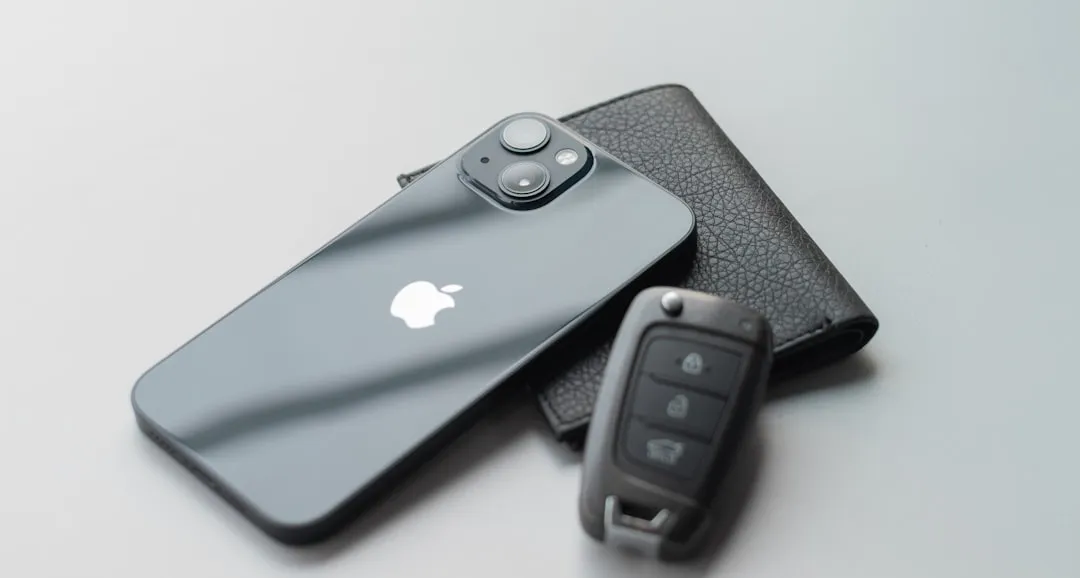
Tesla might finally be joining the digital key revolution, and iPhone users should be paying attention. Recent discoveries in the company’s mobile app suggest that the electric vehicle pioneer is preparing to embrace Apple Car Key technology, potentially ending years of resistance to deeper Apple ecosystem integration. This development could transform how Tesla owners interact with their vehicles, bringing the convenience and security that millions of iPhone users have come to expect.
The evidence comes from Tesla’s latest app update, where developers discovered new code pointing toward “wallet-based” key functionality rather than the current app-dependent system, according to recent analysis. What makes this particularly significant is Tesla’s strategic timing—this architectural shift from app-based keys to OS-level wallet integration aligns perfectly with how Apple Car Key operates, suggesting deliberate preparation for full ecosystem compatibility, as reported by TechLoy.
Why Tesla’s current system creates real problems
Tesla’s existing phone key setup has fundamental limitations that Apple Car Key could solve. The current Bluetooth-based system depends entirely on the Tesla app maintaining a reliable background connection, which frequently fails when iOS manages app resources aggressively. Anyone who’s owned a Tesla knows the frustration: you approach your car and nothing happens, forcing you to wake up the app or fumble for the backup key card.
Here’s the technical reality: Tesla’s current system operates at the application layer, making it vulnerable to iOS’s background app management policies, as documented by TechLoy. When your iPhone decides to prioritize battery life or memory management, the Tesla app can lose its background privileges, breaking the key connection precisely when you need it most.
Apple’s Car Key technology operates fundamentally differently. Digital credentials are stored directly in the iPhone’s Secure Enclave—a dedicated hardware security component that functions independently of any specific app, according to technical documentation. This system-level integration means your iPhone controls vehicle access through hardware-secured protocols that don’t depend on app states, background processes, or even Face ID availability.
The reliability advantages extend to emergency scenarios. Apple Car Key maintains functionality for up to five hours after your iPhone dies completely, operating through power reserve mode that prioritizes critical NFC functions, research shows. For Tesla owners who’ve experienced the anxiety of being stranded with a dead phone, this hardware-level backup represents a fundamental upgrade in peace of mind.
What Apple Car Key brings that Tesla can’t match alone
The integration promises capabilities that go well beyond Tesla’s current feature set. Apple Car Key supports multiple access methods that work independently and simultaneously: NFC tap-to-unlock for immediate access, Ultra Wideband for precise hands-free proximity detection, and traditional Bluetooth connectivity as a fallback, according to feature analysis. This redundancy means you could unlock your Tesla by tapping the door handle with your iPhone, or have it automatically unlock as you approach—all without opening any apps or even waking your phone.
Key sharing transforms from Tesla’s current cumbersome touchscreen process into something seamless and sophisticated. Instead of adding family members through the car’s interface, you could share access instantly through Messages, Mail, or AirDrop, complete with granular permissions that let you grant someone access to unlock the car but not start it, or set temporary access that expires automatically, as documented by Apple. The system also supports parental controls for younger drivers, including restrictions on acceleration, top speed, and even stereo volume.
The security improvements are equally compelling. Ultra Wideband technology offers centimeter-level accuracy that’s virtually impossible to spoof or relay, addressing one of the biggest vulnerabilities in current keyless systems, according to technical specifications. While Tesla’s current system provides reasonable security, it doesn’t match the cryptographic protection and hardware-secured authentication that comes standard with Apple’s Secure Enclave integration.
Tesla’s strategic shift toward Apple ecosystem integration
This potential Apple Car Key support represents more than an isolated feature—it’s part of Tesla’s broader strategic pivot toward Apple ecosystem compatibility. The company has been testing Apple CarPlay integration internally, with potential launch timeframes pointing to early 2026, according to industry sources. After years of maintaining complete control over the user experience, Tesla appears to recognize that customer convenience and ecosystem compatibility have become crucial competitive factors.
The timing reflects market realities that Tesla can no longer ignore. BMW pioneered Apple Car Key support back in 2020, and the technology now spans 20 automotive brands covering hundreds of models, market research indicates. Even direct EV competitors have embraced the standard—Rivian recently implemented native Apple Wallet support for its second-generation R1T and R1S models, as announced in recent updates.
What’s particularly telling is Tesla’s testing pattern. The initial wallet integration appears to target China first, with code references specifically mentioning Huawei’s HarmonyOS Wallet rather than Apple Wallet, according to app analysis. This follows Tesla’s established approach of validating new features in major international markets before global deployment. However, the underlying architecture shift toward native wallet integration creates the technical foundation needed for Apple Car Key implementation worldwide.
Industry implications and competitive pressure
Tesla’s potential adoption of Apple Car Key would eliminate one of the most prominent gaps in Apple’s automotive ecosystem strategy. After abandoning their own car project, Apple has focused on becoming the software layer that connects users to their vehicles. CarPlay now reaches nearly every major automaker, and Apple Car Key support from Tesla would validate the standardized approach that the Car Connectivity Consortium’s Digital Key 4.0 specification promotes, according to technical documentation.
For current Tesla owners, Apple Car Key integration could arrive through over-the-air software updates, potentially bringing the feature to existing vehicles without requiring new hardware. Tesla’s software-defined vehicle architecture enables remote feature deployment, assuming the necessary NFC and security hardware components are already present, as industry observers note. This represents a significant advantage over traditional automakers who often require hardware refresh cycles to implement new connectivity features.
The broader market context reinforces why this matters strategically. CarPlay and Android Auto rank among the most requested features for new vehicles, with nearly half of global consumers unwilling to purchase a car without smartphone integration capabilities, according to market research. Tesla’s absence from these ecosystems becomes more conspicuous each quarter as competitors standardize around user convenience rather than proprietary control.
Advanced security architecture and threat mitigation
Beyond convenience, Apple Car Key offers sophisticated security advantages that address emerging automotive cybersecurity challenges. The system leverages hardware-secured storage and cryptographically protected communication protocols that operate independently of application-layer vulnerabilities, according to cybersecurity analysis.
UWB-based keys perform cryptographically secured time-of-flight measurements to verify precise proximity, making relay attacks virtually impossible, security experts note. Traditional keyless systems have introduced well-documented RF attack vectors that digital keys, when properly implemented, can actually defend against more effectively than the key fobs they replace.
The instant revocation capabilities provide unprecedented security flexibility. If your phone is stolen or compromised, you can immediately disable access and issue new credentials over-the-air—something impossible with traditional key fobs, according to technical specifications. This level of dynamic security management represents a fundamental advancement in automotive access control.
Market timing and implementation outlook
While the evidence strongly suggests Tesla is preparing Apple Car Key support, the company hasn’t made official announcements, and implementation timelines remain uncertain. Tesla’s development pattern shows extensive internal testing before public releases, suggesting current code references likely represent serious development rather than exploratory work.
The potential integration represents more than convenience—it signals Tesla’s recognition that ecosystem compatibility has become essential for maintaining market position. The digital vehicle key market is projected to grow from approximately $2.1 billion in 2022 to $11.6 billion by 2031, market projections indicate. For Tesla to compete effectively in this expanding market, embracing industry standards like Apple Car Key may be strategic necessity rather than optional enhancement.
For iPhone users considering Tesla ownership, this development could eliminate one of the final significant friction points in the ownership experience. Combined with potential CarPlay support, Apple Car Key would create the seamless integration that Apple ecosystem users expect from their devices, finally bringing Tesla’s innovative vehicles into harmony with the broader connected device experience.
Bottom line: Tesla’s apparent move toward Apple Car Key support represents a pragmatic acknowledgment that customer ecosystem integration ultimately matters more than maintaining complete control over every user interaction. Whether this signals broader softening of Tesla’s proprietary approach remains to be seen, but for iPhone users, it represents a welcome step toward the truly connected car experience they’ve been anticipating.