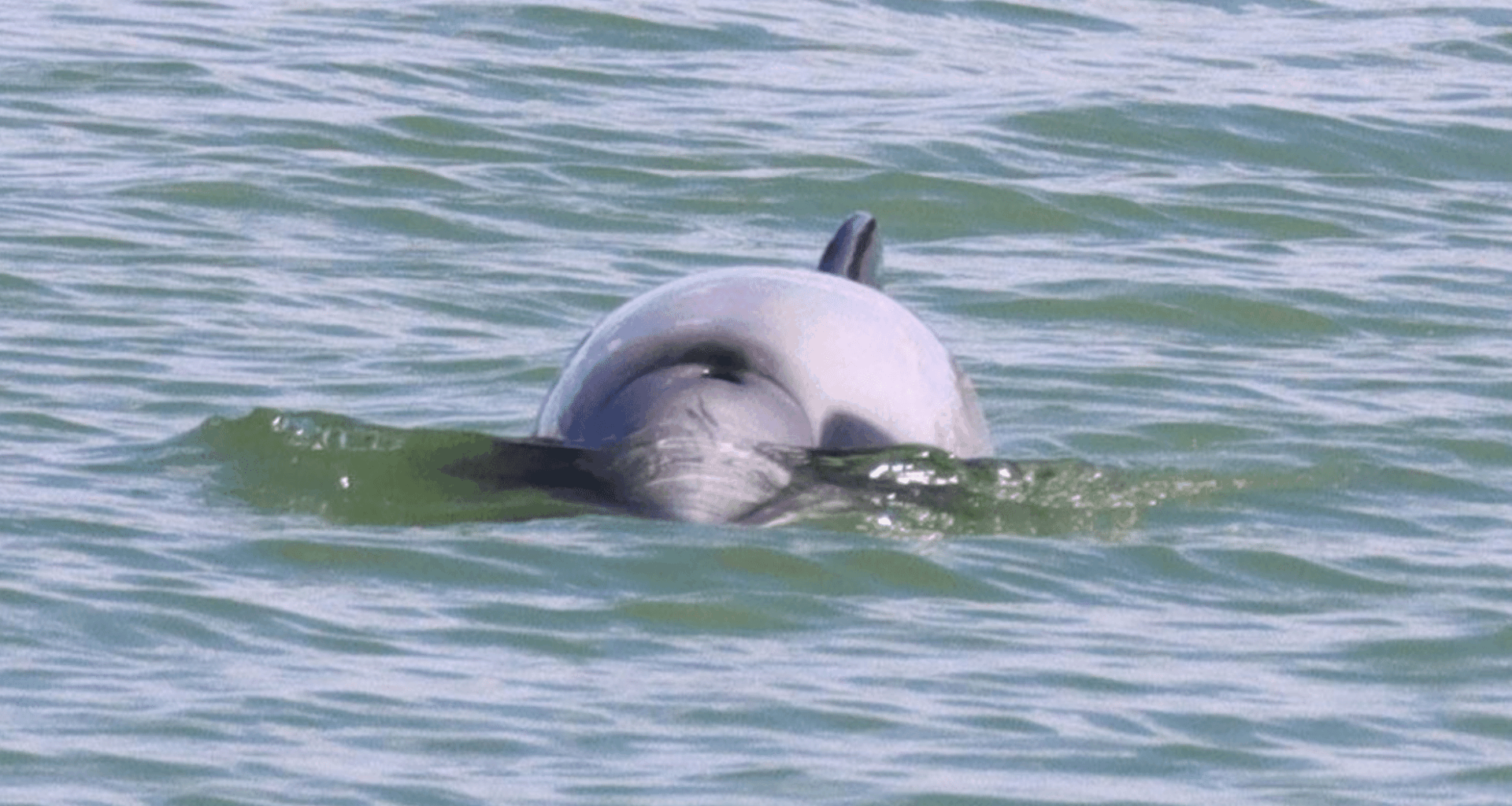
A potential sighting of one of the world’s most endangered marine mammals has sparked both hope and concern off the coast of New Zealand’s Northland region. According to the New Zealand Department of Conservation (DOC), a lone dolphin recently observed near the Bay of Islands could belong to the critically endangered Māui dolphin population, which is thought to consist of just 54 adults. The sighting is currently under investigation, with researchers urgently seeking a DNA sample to confirm whether the animal is indeed a Māui dolphin, or possibly a South Island Hector’s dolphin that has ventured unusually far north.
A Lone Dolphin Stirs Hopes and Urgency in Conservation Circles
The sighting was first reported by Jochen Zaeschmar, a dolphin researcher with the Far Out Ocean Research Collective, who spotted the dolphin near the Bay of Islands. It was later seen again in English Bay, drawing immediate interest from conservation authorities. At first glance, the dolphin’s physical appearance; a short, stocky body measuring around 1.2 to 1.5 meters, with a rounded black dorsal fin and grey-and-white coloration matches the description of both Hector’s and Māui dolphins, two subspecies of Cephalorhynchus hectori that are endemic to New Zealand.
Distinguishing between the two in the wild is extremely difficult. While there are subtle differences, such as the Māui dolphin’s slightly longer and broader snout, these are rarely visible in open sea conditions. For that reason, the DOC is seeking assistance from locals to keep an eye out for the dolphin, with the goal of obtaining a DNA sample to confirm its identity.
“This would be just the second confirmed sighting of a Hector’s in Northland in 100 years,” explained DOC Marine Species Senior Advisor Kristina Hillock in a public statement. Whether the dolphin belongs to the more common South Island subspecies or the critically endangered Māui group, the sighting is highly unusual and significant.
Why Identifying the Species Matters More Than Ever
The two subspecies, South Island Hector’s dolphins and Māui dolphins, differ dramatically in their conservation status and population size. Hector’s dolphins, which are primarily found around New Zealand’s South Island, have a population estimated at 15,000 adults. In contrast, Māui dolphins are considered one of the rarest marine dolphin subspecies in the world, with only about 54 individuals remaining, mostly along the west coast of New Zealand’s North Island.
The Department of Conservation (DOC), which is overseeing the investigation, considers the accurate identification of this dolphin a high priority. DNA analysis offers the only definitive method to tell the two apart due to their near-identical appearances.
If the dolphin turns out to be a Māui, it could suggest a range expansion or shift in behavior. Alternatively, if it is a Hector’s dolphin, the sighting would still be rare, and potentially indicative of changing environmental conditions. Either outcome could have meaningful implications for ongoing conservation strategies and marine management policies.
What This Means for New Zealand’s Endangered Marine Life
New Zealand’s coastal waters are home to a wealth of marine biodiversity, much of it found nowhere else in the world. The Hector’s dolphin species is one of the country’s most iconic marine animals, but both of its subspecies face growing threats from human activity. These include bycatch in commercial fisheries, habitat degradation, and pollution.
Biologically, these dolphins are also more vulnerable than many other cetaceans. They have relatively short lifespans, reach sexual maturity later, and produce calves infrequently. These traits make population recovery a slow and fragile process, especially for the Māui dolphin, whose numbers are critically low.
A confirmed sighting in Northland, whether Māui or Hector’s, could reshape how scientists understand the geographic distribution and behavioral patterns of these animals. It also underscores the importance of public involvement in wildlife monitoring, as citizen reports often provide the first clue to rare encounters like this one.
A Call to Action for Conservation and Public Engagement
For marine scientists and conservationists, every individual counts, especially when dealing with a species on the brink of extinction. This dolphin’s unexpected appearance highlights the urgent need for vigilant tracking, timely reporting, and scientific collaboration.
If you happen to be near the Bay of Islands or along New Zealand’s northern coast and spot a dolphin with a distinctive rounded dorsal fin, DOC encourages you to report it immediately. You might be witnessing a once-in-a-century event, and playing a direct role in protecting New Zealand’s marine heritage.