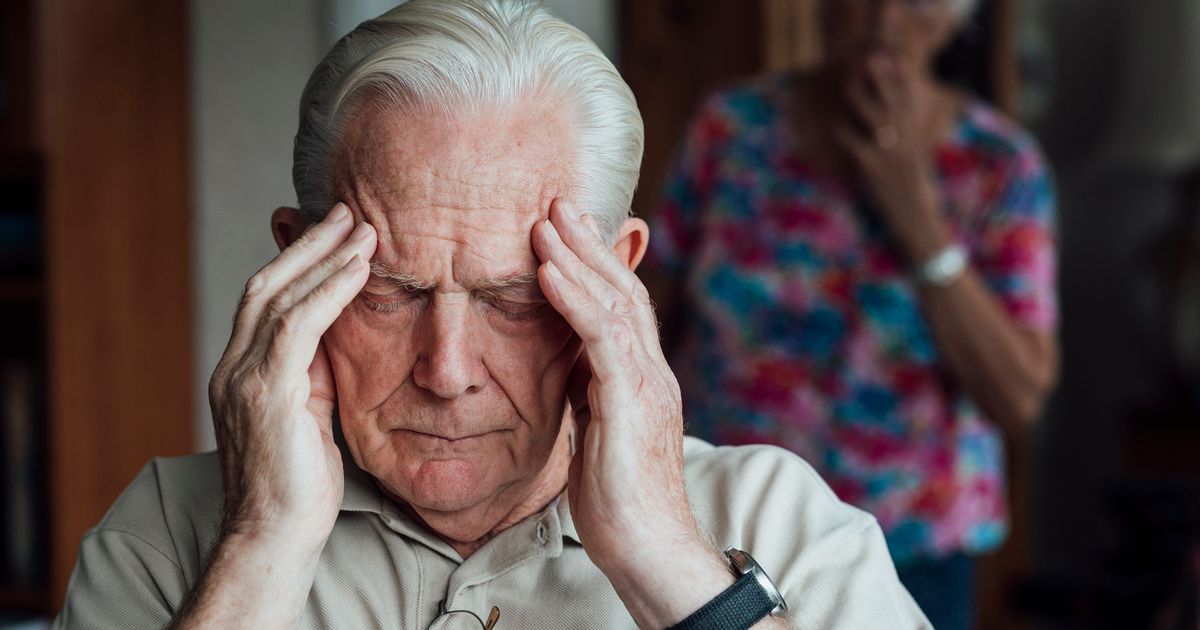
While eating healthy foods and working out daily puzzles can improve cognitive functions, researchers have found there’s another way to combat dementia: dancing One form of exercise has shown to lower dementia risk more than others(Image: Getty)
Millions of Americans are impacted by dementia every day. While there’s no cure, there are some lifestyle changes that could delay symptoms.
While eating healthy foods and working out daily puzzles can improve cognitive functions, researchers have found there’s another way to combat dementia: dancing. Dr. Trisha Pasricha, an assistant professor of medicine at Harvard Medical School, told the Washington Post that dancing can reduce the risk of dementia by 76%.
While it might not seem like the most obvious form of exercise, dancing can have other health benefits as well. “Here’s why I want your New Year’s resolution to be to bust some moves,” Pasricha said.
READ MORE: Full list of 54 stores involved in recall over ‘rodent urine and bird droppings’READ MORE: IRS reveals new 2026 retirement contribution limits – see if you are affectedWhy does dancing help the brain?
Several studies have been conducted showing the link between dancing and cognitive health.
Starting in the 1980s, researchers tracked the lifestyles of a group of adults living in The Bronx. They reported how often they did physically and mentally challenging activities in their daily lives.
Pasricha said mental activities like playing board games or playing instruments were linked to lower dementia risk. But only one physical activity showed the same impressive results, and it was dancing.
“People who danced more than once a week had a 76% lower risk of getting dementia compared to people who danced less frequently or who didn’t dance at all,” Pasricha said.
In 2003, a study in the New England Journal of Medicine looked at 11 different types of exercise, like swimming, tennis and more, and found that only dancing lowered participants’ risk of dementia.
Unlike some other sports, dancing requires both mental effort and social interaction, both of which have been shown to improve cognitive function. Dancers have to synchronize their movements to both the music and their partner, if they dance with others, which requires double the brain power.
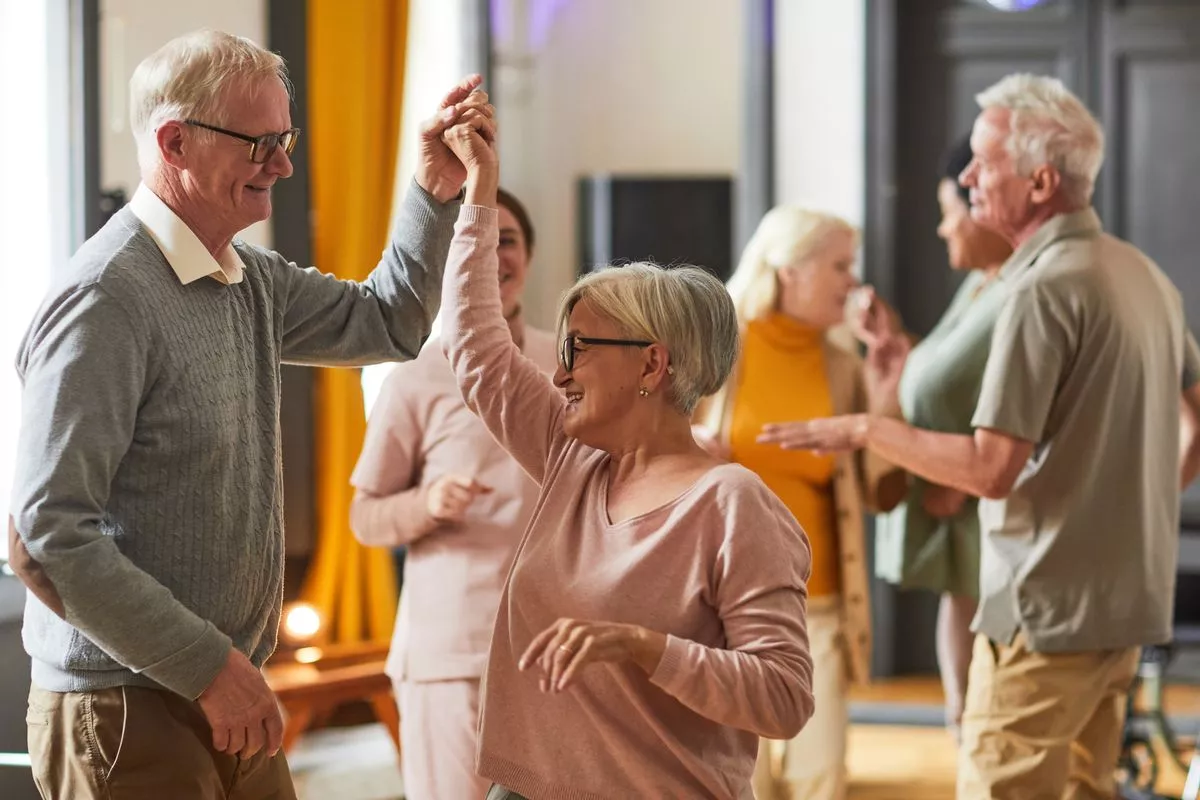 Dancing requires both mental effort and social interaction, both of which have been shown to improve cognitive functionOther health benefits of dancing
Dancing can help keep people of all ages healthy. According to BetterHealth, some benefits include:
- improved condition of your heart and lungs
- increased muscular strength, endurance and motor fitness
- increased aerobic fitness
- improved muscle tone and strength
- weight management
- stronger bones and reduced risk of osteoporosis
- better coordination, agility and flexibility
- improved balance and spatial awareness
- increased physical confidence
- improved mental functioning
- improved general and psychological wellbeing
- greater self-confidence and self-esteem
- better social skills.
Getting started with dancing may seem intimidating, but there are many studios offering dance classes for beginner adults, whether it’s ballet, tap, ballroom or more.
For those who would rather bust a move in the privacy of their own home, YouTube is a great place to seek out tutorials for beginner dancers.