Supplements have gained popularity in recent years, with many people relying on these complementary treatments to support their physical and mental health. Mood disorders, such as anxiety and depression, affect hundreds of millions globally, so we asked our chief medical officer, Sohaib Imtiaz, MD, about his go-to supplement for mood support.
*This interview has been edited and condensed for clarity.
Q: Many people struggle with mood disorders like anxiety and depression, some of which are triggered by seasonal changes. What is the best supplement to take for mood support?
Imtiaz: My strongest recommendation is always saffron.
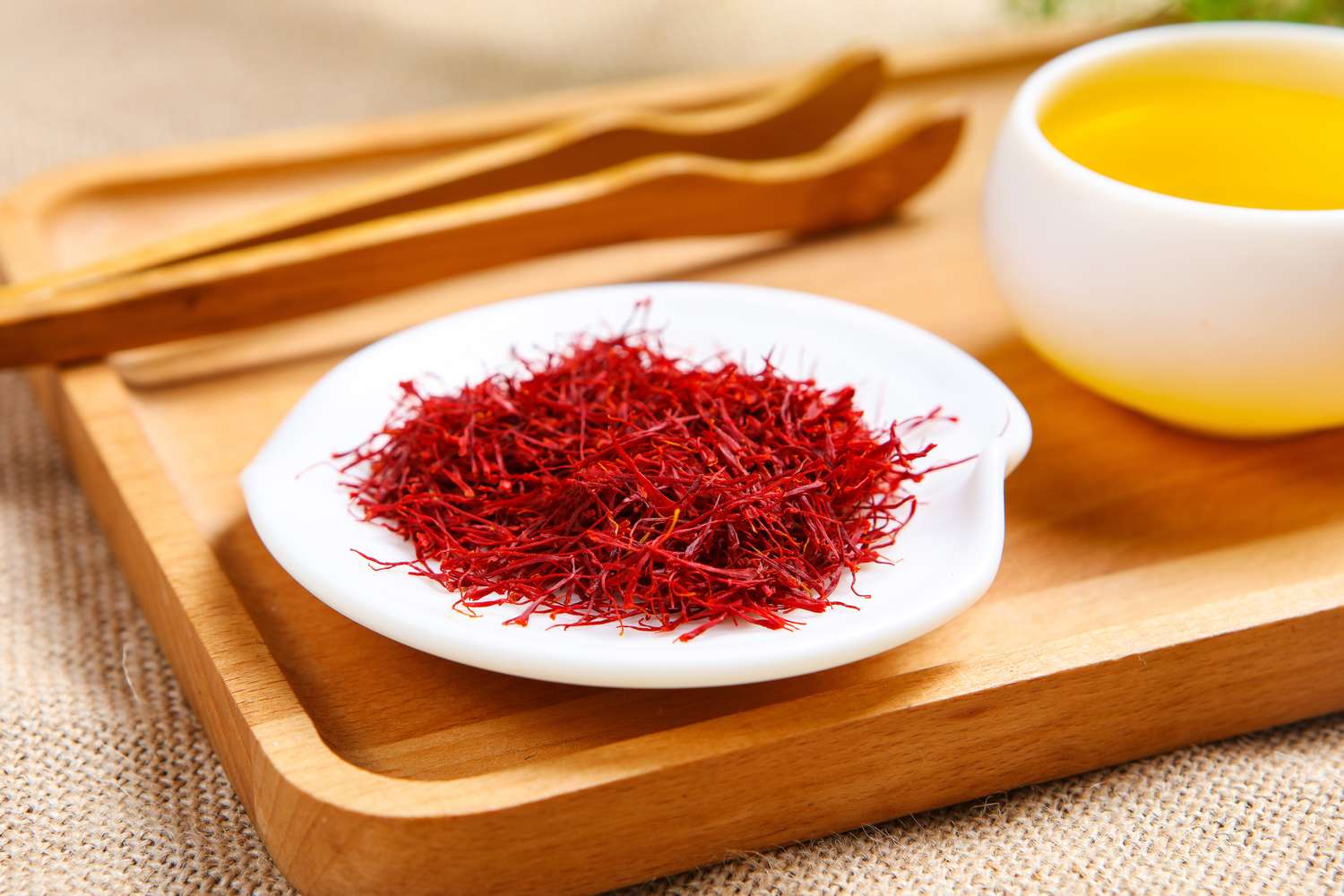
Saffron is a spice known for its crimson strands, widely used in culinary applications worldwide. It is considered safe for most people when used in the kitchen and is best absorbed when added to starchy foods. It is also available as a supplement.
Recent research shows that saffron may have a positive impact on mood, affecting the “feel good” neurotransmitters dopamine and serotonin. It may also help improve symptoms of:
- Mild to moderate depression
- Anxiety
- Mood swings
- Inflammation
- Stress
Saffronil and crosin, two compounds in saffron, may help increase the availability of dopamine and serotonin. There have been clinical studies showing that saffron extract may be comparable to some antidepressant medications for mild to moderate depression.
Some studies also show that saffron may help alleviate mood symptoms associated with premenstrual dysphoric disorder (PMDD), a severe form of premenstrual syndrome (PMS).
It also has antioxidant and anti-inflammatory properties that help reduce inflammation in the brain. Additionally, some research suggests that saffron may also help regulate the body’s central stress response system.
How Much Should You Take?
The recommended dose for health benefits is approximately 30 milligrams (mg), which is a tiny pinch of saffron powder. Always talk to a healthcare provider before taking saffron supplements, as therapeutic doses may cause side effects or interact with certain medications.
Work with a healthcare provider to determine how saffron can fit into your treatment plan. Don’t stop taking medications for mood disorders, or replace them with supplements, without the guidance of a healthcare provider.
How Long Does It Take to See Results?
It takes about two to three months to notice the full effects of regular saffron intake (via food or supplements), as it takes time for the saffron to reach neurotransmitters and balance your mood.
There have been some studies that indicate noticeable effects, especially for anxiety, at four to six weeks. Other studies indicate notable changes after two weeks, but you will mostly start seeing them in the four- to eight-week period.
Verywell Health uses only high-quality sources, including peer-reviewed studies, to support the facts within our articles. Read our editorial process to learn more about how we fact-check and keep our content accurate, reliable, and trustworthy.
-
World Health Organization. Mental disorders.
-
Khorasany AR, Hosseinzadeh H. Therapeutic effects of saffron (Crocus sativus L.) in digestive disorders: a review. Iran J Basic Med Sci. 2016;19(5):455-69. PMID: 27403251; PMCID: PMC4923465.
-
Chauhan S, Tiwari A, Verma A, et al. Exploring the potential of saffron as a therapeutic agent in depression treatment: a comparative review. Yale J Biol Med. 2024;97(3):365-381. doi:10.59249/XURF4540.
-
Rajabi F, Rahimi M, Sharbafchizadeh MR, et al. Saffron for the management of premenstrual dysphoric disorder: a randomized controlled trial. Adv Biomed Res. 2020;9:60. doi:10.4103/abr.abr_49_20.
-
Jackson PA, Forster J, Khan et al. Effects of saffron extract supplementation on mood, well-being, and response to a psychosocial stressor in healthy adults: a randomized, double-blind, parallel group, clinical trial. Front Nutr. 2021;7:606124. doi:10.3389/fnut.2020.606124.

Thanks for your feedback!
What is your feedback?
Helpful
Report an Error
Other