The Irish Tax Institute warned that new legislation would make it harder for taxpayers to challenge tax assessments without risking public exposure of sensitive personal information.
At the centre of the debate is the General Scheme of the Finance (Tax Appeals and Fiscal Responsibility) Bill 2025, which is currently being reviewed by the Oireachtas.
The institute said the proposals would change long-standing rules that allow taxpayers to request private hearings when appealing decisions made by the Revenue Commissioners.
Under the current system, appeals heard by the Tax Appeals Commission are held in private if the taxpayer requests it, and final decisions are published anonymously.
The proposed legislation would reverse this approach. The Irish Tax Institute says this shift would discourage genuine appeals and push taxpayers to settle disputes early, even when they believe an assessment is wrong.
Its president, Shane Wallace, made the comments as the institute submitted evidence to the Oireachtas Committee on Finance during pre-legislative scrutiny of the bill.
Members pointed out that Ireland already publishes detailed appeal determinations
As part of its submission, the institute surveyed its members and received 223 detailed responses outlining deep concerns about the proposed changes.
Respondents said tax disputes often involve complex legislation, differing interpretations, or genuine errors, rather than deliberate wrongdoing or aggressive tax avoidance. They stressed that tax matters are inherently private.
Members also highlighted the distinction between tax appeals and the tax defaulters’ list, which applies only to cases involving serious non-compliance and lack of co-operation with Revenue.
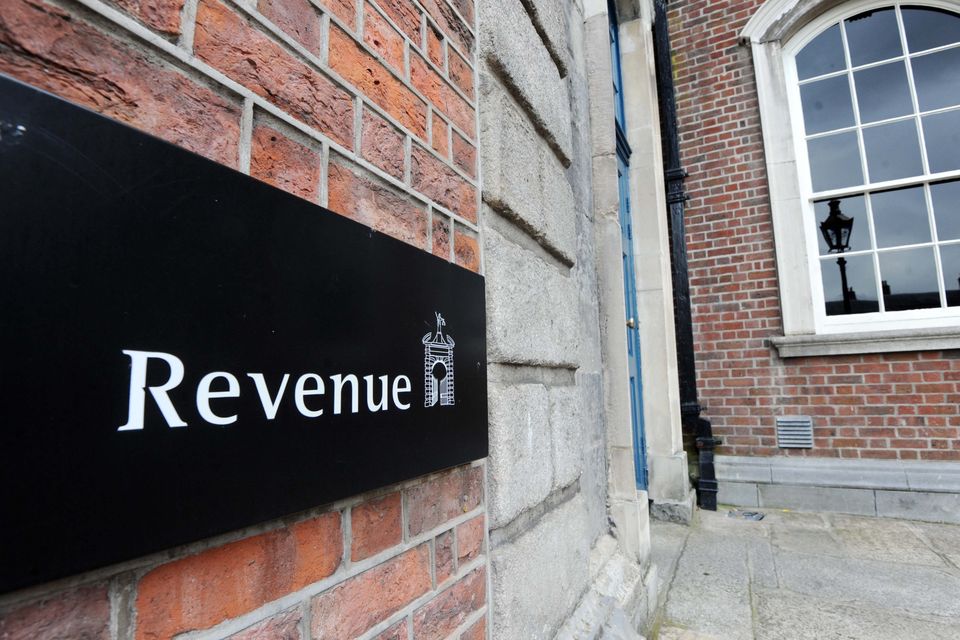
New proposals would change long-standing rules that allow taxpayers to request private hearings when appealing decisions made by the Revenue Commissioners. Photo: INM
Today’s News in 90 seconds – 31st December
They warned that making appeal hearings public could damage reputations, distort competition, and give competitors access to sensitive information.
There were also concerns that public hearings could pressure taxpayers into paying disputed liabilities simply to avoid the risk of negative publicity.
Members pointed out that Ireland already publishes detailed appeal determinations in anonymised form.
The institute has urged the Government to reconsider the proposed changes and retain the current balance between transparency and privacy.