Bulgarians convicted over the largest welfare fraud uncovered in the United Kingdom will be required to repay only a small fraction of the funds siphoned off, despite evidence that tens of millions were moved abroad.
According to a report by the Daily Telegraph, prosecutors told a British court in late December that just £2 million, roughly €2.3 million or about 4.6 million leva, can realistically be recovered from the group, even though the losses linked to the scheme exceed £53 million, or approximately €62 million, equal to around 121 million leva.
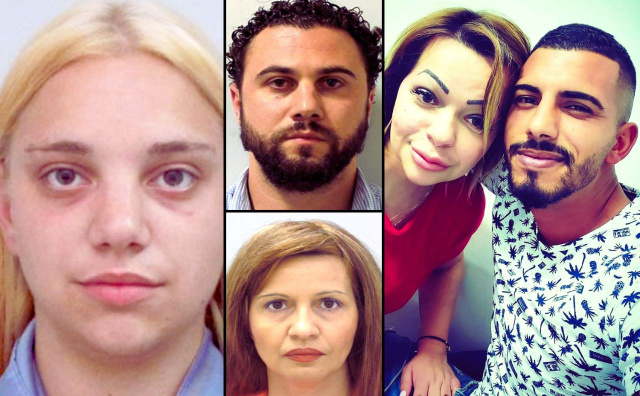
The five defendants, Galina Nikolova, Tsvetka Todorova, Gunesh Ali, Patricia Paneva and Stoyan Stoyanov, were sentenced in 2024 at Wood Green Crown Court in London to a combined 25 years in prison. With the exception of Ali, all have since been released and placed on immigration bail while awaiting deportation. Their removal from the UK was delayed pending the completion of confiscation proceedings.
During the investigation, authorities seized around £1 million in cash, close to €1.2 million or roughly 2.3 million leva, from properties linked to the defendants. Prosecutors continue to pursue additional assets believed to be held in real estate and bank accounts, mainly in Bulgaria.
The fraud involved large-scale abuse of the UK’s Universal Credit system. The group submitted thousands of false benefit claims using forged documentation and the identities of real individuals living in Bulgaria. Those individuals were aware of the scheme and received a portion of the money, according to investigators.
British prosecutors maintain that the confirmed £53 million figure significantly understates the true scale of the fraud. Bulgarian police estimates cited by the Daily Telegraph suggest the operation may have been generating as much as £200 million annually, equivalent to about €234 million or roughly 458 million leva.
At the December hearing, prosecutor Gareth Mundy explained that recovering the funds is legally complex. He noted that the defendants acted largely as intermediaries, processing claims for others and retaining only a share of the proceeds. Under British law, they cannot be held liable for money they did not personally receive.
Mundy added that while funds were transferred through bank accounts created specifically for the fraudulent claims, investigators have been unable to conclusively link many of those accounts to the convicted individuals. As a result, even though the defendants are believed to own property in Bulgaria and possibly hold substantial sums in banks or cryptocurrencies, the amounts that can be confiscated in practice remain limited.