The United States prepares for a significant birthday at a time of great division. Citizens wonder if the nation can struggle through another 50 years.
Ha ha! Do you see what I’ve done? I’m talking about the bicentennial, in 1976, not the semiquincentennial (or bisesquicentennial or sestercentennial) in 2026. The columnists’ favourite opening switcheroo does not quite work here, however.
The US believed itself to be in a very different place 50 years ago. As Breakdown: 1975, a fine new documentary on Netflix, demonstrates, Gerald Ford, the amiable transitional president who succeeded Richard Nixon, looked to be leading the United States away from the darkest valley and on to the sunniest uplands.
“Our long national nightmare is over,” he famously said in August 1974. Ford was speaking about the Watergate scandal, which had brought down his predecessor, but the US’s recently concluded intervention in Vietnam will also have been on his audience’s mind. Crime rates were dropping after record highs. The inflation rate was the lowest for four years. The American people, welcoming tall ships at hot-dog parties, could be forgiven for believing they had turned a corner.
This is not how the bisesquicentennial US looks from the other side of the Atlantic. Donald Trump has never been any sort of unifying figure. No doubt a significant portion of the electorate think the past 250 years have been leading to the current president’s ritual apotheosis on July 4th.
Meanwhile, the rumours – based on the existence of a mysterious draft design – that Trump would appear on both sides of a commemorative coin caused consternation in the liberal media. “It is anti-American at its core,” Douglas Brinkley, a professor of history at Rice University, told the New York Times. He argued that having the sitting president on such a $1 coin would feed “the cult of an individual perpetrated by that same individual”.
There was no sign of Trump on sestercentennial coin designs unveiled by the United States mint before Christmas, but that the rumour gained purchase gives some indication of how testy the nation is at the start of this important year.
That said, many were pessimistic about the bicentennial in January 1976. Its subsequent measured success was far from guaranteed. Maybe the semiquincentennial will come together in similar unexpected harmony.
It seems less likely that the US will experience the fascinating pop-cultural churn that characterised the drift from a testy 1975 to a (prematurely, as we will see) sanguine 1976. You had some of this in music, as the anaesthetising comforts of disco drew young people away from hairy country rock. The sunny, empty-headed Charlie’s Angels began on TV as the cheaply nostalgic Happy Days went from strength to strength.
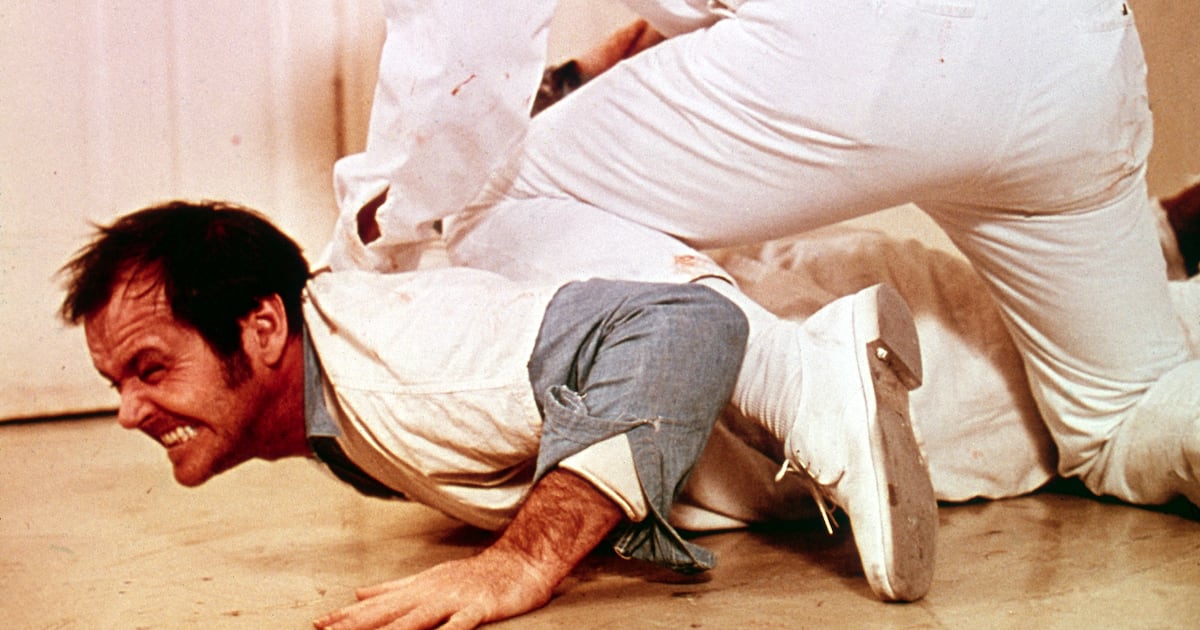
But the real swivel was in the world of cinema. The postclassical revolution that began with challenging, thrilling work such as Bonnie & Clyde and The Graduate in the late 1960s had, by 1975, reached its apex in work such as Nashville, Dog Day Afternoon, Barry Lyndon and One Flew Over the Cuckoo’s Nest.
The most financially significant film of the year – maybe in Hollywood history – proved to be a brilliant little shocker about a hungry shark. Steven Spielberg’s Jaws returned cinema to the money men and put a brake on the innovation that had characterised the previous five years.
John G Avildsen’s incoming Rocky, starring Sylvester Stallone as the plucky, titular pugilist, could have been designed with the bicentennial in mind. Carl Weathers, as the protagonist’s great rival, actually dresses as George Washington and Uncle Sam during the picture.
It is optimistic. It plays out the American dream. There is none of the fraught introspection we saw in the postclassical titles that it beat to the Oscar for best picture of 1976: Taxi Driver, Network, All the President’s Men. A year later Star Wars confirmed the dominance of the blockbuster.
In 2026 cinema is, by way of contrast, going through the greatest nervous breakdown it has experienced in a history of mental collapses. Streaming has proved a greater threat than did TV in the 1950s or video in the 1980s. At time of writing, Netflix still has its greedy eyes on Warner Discovery. Pop musicians rely on absurdly overpriced concert tickets to stay afloat. Broadcast telly gets by on prurient reality shows. Do I hear “bring out your dead!” being yelled in the street below?
At least we are prepared for doom. The qualified elation of the bicentennial led on to years of economic decline and, as Jimmy Carter struggled in the White House, a succession of national embarrassments. Rocketing petrol prices. The Iran hostage crisis. The Soviet invasion of Afghanistan. Somewhere out there, the 2028 equivalent of Ronald Reagan may be rubbing his eager hands.