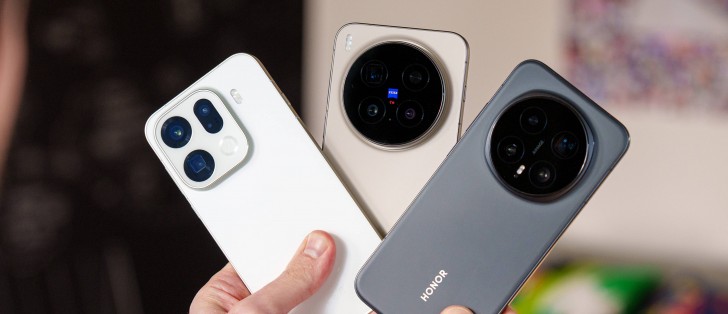
Ultrawide camera comparison, low light
In the dark, none of the ultrawide cameras delivers truly groundbreaking results, though they all comfortably achieve okayness, if in marginally different ways. The Honor’s photos have the most watercolor-like quality of all three, giving up on a little bit of detail in favor of clarity. They all do nicely with white balance and there’s no shortage of color saturation either.









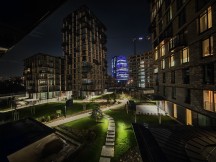
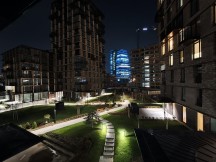
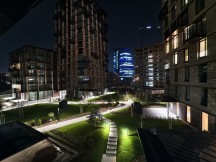
Low light, ultrawide cameras: Honor Magic8 Pro • Oppo Find X9 Pro • vivo X300 Pro
Main camera comparison, low light
The main cameras introduce more differences, the most pronounced being perhaps the vivo’s overly enthusiastic red channel saturation that makes certain types of lighting appear all too orange. The Honor’s bright midtones make nighttime scenes more easily likeable, though some may prefer the truer approach of the other two. Detail is roughly comparable, but you could say that the Magic has a small advantage over the other two.











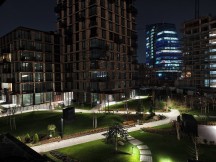
Low light, main cameras, 1x: Honor Magic8 Pro • Oppo Find X9 Pro • vivo X300 Pro
At 2x zoom, the Oppo is losing ground a bit – it’s the softest of the bunch in most scenes with its shadows getting smooth where the others manage to capture detail, and it’s also the most coarse in the well-lit regions. The Magic continues to show brighter lower midtones, which we can’t say we’re hating.












Low light, main cameras, 2x: Honor Magic8 Pro • Oppo Find X9 Pro • vivo X300 Pro
Now, the Honor’s Night mode has an AI enhanced toggle that improves perceived sharpness and detail. The effect gets more dramatic the more you zoom in, with 2x shots already showing significant differences between the ‘captured’ image and the enhanced one. We wouldn’t say we don’t like them, it’s just that they’re making us a little bit uneasy about where photography is going. You’ll be able to find more extensive comparisons between the two modes in the Honor’s own review and contemplate the ethics of it all.