
Ketamine, once a wartime anaesthetic in Vietnam and rooted in 1990s club culture, is sweeping Ireland’s nightlife scene, from raves and festivals to house parties. Casual use is being reported among students as young as 15 and the HSE is warning that the country is experiencing its “largest and most sustained increase” in the use of the drug.
Figures provided to The Sunday Times by the Health Research Board, which has called the emergence of ketamine on the Irish drug scene “K culture”, show that the number of people entering treatment for problem ketamine use has almost tripled in the past three years, rising from 95 in 2021 to 251 in 2024.
New HSE data shows that 146 people were admitted to hospital with a “ketamine-related diagnosis” between 2020 and 2024, including a record 39 admissions in 2024 alone. The figures, however, exclude emergency department presentations.
According to the latest National Drug-Related Deaths Index, ketamine was implicated in 12 poisoning deaths in Ireland between 2019 and 2022.

Matthew Perry accidentally drowned in 2023 as a result of “the acute effects of ketamine”
ALAMY
The drug has also been linked to high-profile deaths abroad, including Friends star Matthew Perry, who accidentally drowned in 2023 with high levels of ketamine in his system, and former One Direction singer Liam Payne, who had ketamine, alongside other substances, in his system when he fatally fell from a hotel balcony in 2024.
In Ireland, ketamine is a class B dissociative drug used medically for pain relief and sedation, and is widely used in veterinary medicine for animals such as horses, cattle, dogs and cats. Recreational use remains illegal and can cause confusion, high blood pressure, heart problems and breathing difficulties, as well as serious bladder and liver damage with long-term use.
Ketamine was first synthesised in 1962 by American chemist Calvin Stevens as a safer alternative to phencyclidine (PCP). It was later used by military surgeons as an anaesthetic for wounded soldiers during the Vietnam War, before first emerging on Ireland’s club and rave scene in the early 1990s.
However, according to the latest European School Survey Project on Alcohol and Other Drugs (Espad) for Ireland, published last year, people as young as 15 and 16 are now using ketamine recreationally.
Catherine Comiskey, a professor in healthcare statistics at Trinity College Dublin who has been involved in the United Nations’ annual World Drug Report, said ketamine for recreational use was coming to Ireland largely from India.
“In the Espad survey, the use in 15-16 year-olds in Ireland was quite low, just over 1 per cent had used it out of about 2,000, but we’re talking about young teenagers who are still in school,” she said.
“In terms of school age users, we need more prevention. In Ireland, a lot of our emphasis has been on treatment, which is good, yes, but now we also need to be investing in prevention. The majority of young people using it would actually be in the 18 to 25 age bracket, so third level education, and it seems to be widely available.”
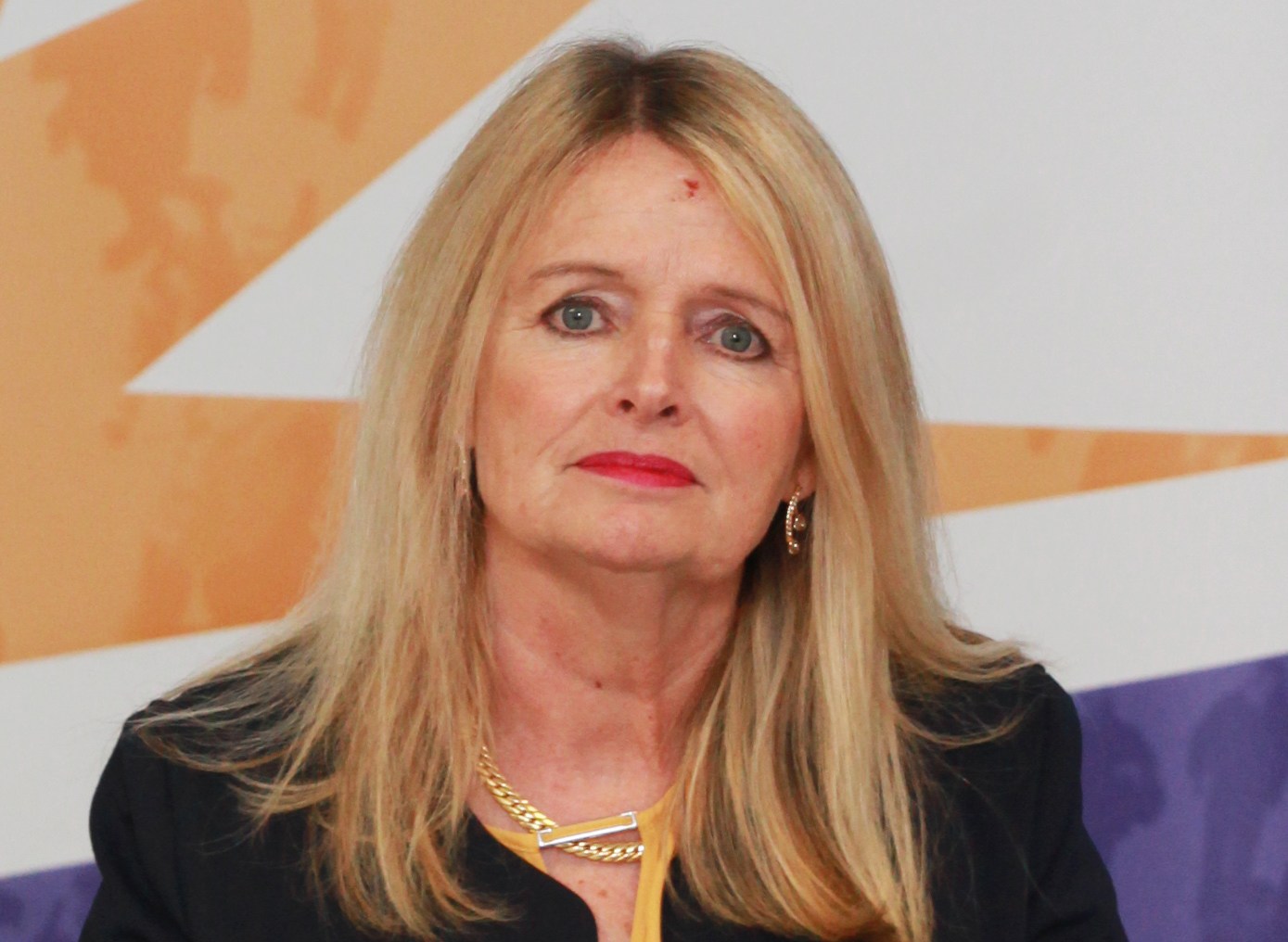
Catherine Comiskey is a professor in healthcare statistics at Trinity College Dublin
LEAH FARRELL/ROLLINGNEWS.IE
Nicki Killeen, a project manager on emerging drug trend programmes in the HSE, said there had been a “sustained” increase in ketamine use since the end of the Covid-19 pandemic.
“What we’re seeing is probably the largest and most sustained increase in ketamine use,” she said.
“That’s what’s different from the past — it’s no longer niche or subcultural. Ketamine is now positioned across all nightlife settings and across all user groups. It’s following a very similar trajectory to MDMA, in that it is moving from what would have been a marginalized subculture into a very mainstream culture, where it is now one of the third or fourth most used substances in Ireland.”
Killeen said dance music in Ireland had moved into a far more mainstream position, contributing to increased ketamine use at festivals, nightclubs and house parties.
• The fatal toll of ketamine: deaths up twenty-fold in a decade
“There’s a mass flow of ketamine to Europe from India, where there’s large production. That has led to more availability, and it’s cheap and accessible,” she said.
“In the European web survey on drugs, there was no difference between employment status, gender or sexual orientation, which is quite interesting. People are sourcing it from dealers in advance of events, often using platforms such as WhatsApp, but the top provider for all substances still remains the traditional supplier.”
Comiskey said young people were also consuming ketamine through a Colombian-origin drug known as pink cocaine, which contains a mixture of psychoactive substances including MDMA, ketamine and 2C-B, but does not necessarily contain cocaine.
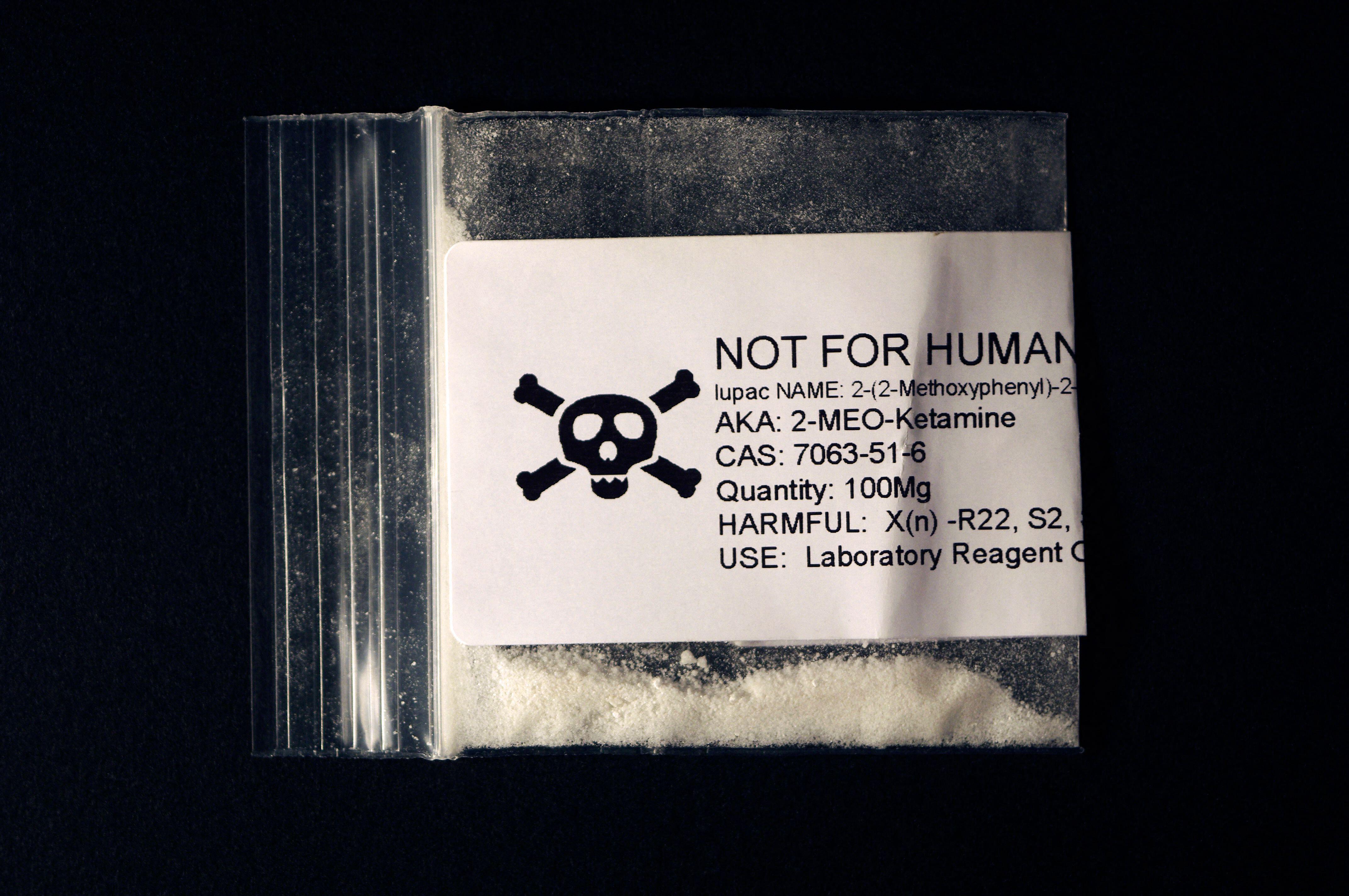
Ketamine is currently a class B drug but could be reclassified as class A after illegal use has surged
ALAMY
The drug — which was taken by Liam Payne before his death — is typically found in powder or pill form and is known for its vibrant pink colour, making it visually appealing to users.
Experts have warned that some users seek to enter what is known as a “K-hole”, which is a transient but intense dissociative state following high doses of the drug, characterised by a complete mental detachment from one’s body and surroundings.
Killeen said the HSE was now seeing people experiencing seizures at festivals for the first time linked to ketamine use.
“People are also experiencing severe mental health issues from ketamine; adverse reactions, disassociation and very extreme panic,” she said.
“Generally ketamine is not being used in isolation and people mix it with alcohol, so it can lead to vomiting and there’s obviously a risk of choking or people with jelly legs being unable to walk.”
Eabhann O’Connor, a consultant urologist at St Vincent’s Private Hospital in Dublin, said she was seeing about two people each month presenting with ketamine-related bladder issues, most commonly in their twenties.
“It tends to be people using it weekly, twice weekly, or even daily and is often used in conjunction with other drugs as well,” she said.
“Some people can develop worse, more severe symptoms even with lower doses. The symptoms include frequent urination, leaking urine, blood in the urine and infections. I have patients who are waking up every 15 minutes overnight, which is miserable and has a huge impact on quality of life. It can be devastating for people. It is definitely there, and I think we are probably underestimating the amount of it.”