THERE is a particular kind of noise that arrives every January. It hums through our phones and inboxes just as the Christmas decorations come down.
Suddenly, everyone is selling transformation. Fitness plans promise a “new you”. Supplements claim to reset, detox, burn. Before the year has properly begun, we are being told – explicitly or otherwise – that who we were a week ago is no longer good enough.
This surge is not accidental. It lands at precisely the moment when most people are tired, over-full, financially stretched and emotionally wrung out. After weeks of socialising and disrupted routines, the idea of regaining control is understandably appealing.
The marketing knows this. It feeds on vulnerability, reframing perfectly ordinary responses to the festive period as problems to be fixed.

Read more: Crackdown urged by family of mum who died after receiving illegal ‘skinny jab’

Health and fitness are not the issue. Wanting to feel stronger or take better care of yourself is a reasonable goal. The problem lies in how those goals are packaged in January, when encouragement so easily slips into pressure. Wellness becomes a moral obligation. Rest is framed as laziness. Enjoyment is quietly recast as excess.
Nowhere is this more visible than on social media. At this time of year, feeds saturate with weight-loss content – gym selfies, miracle teas, rigid meal plans and algorithmic promises of reinvention.
An attractive woman insists a herbal drink will have you “snatched” by March. A muscle-bound personal trainer swears the keto diet changed his life. Somewhere in the middle sit apps that track and correct, turning eating into a performance. One even invites you to photograph your meals and submit them to a judgemental cartoon raccoon…
The result is not clarity but confusion. Advice contradicts itself daily, and the sheer volume of messaging makes it difficult to distinguish evidence from marketing. Even those who are sceptical can feel the pull. There is something seductive about the promise that a new plan or product will neatly resolve the unease of starting another year in an uncertain world.
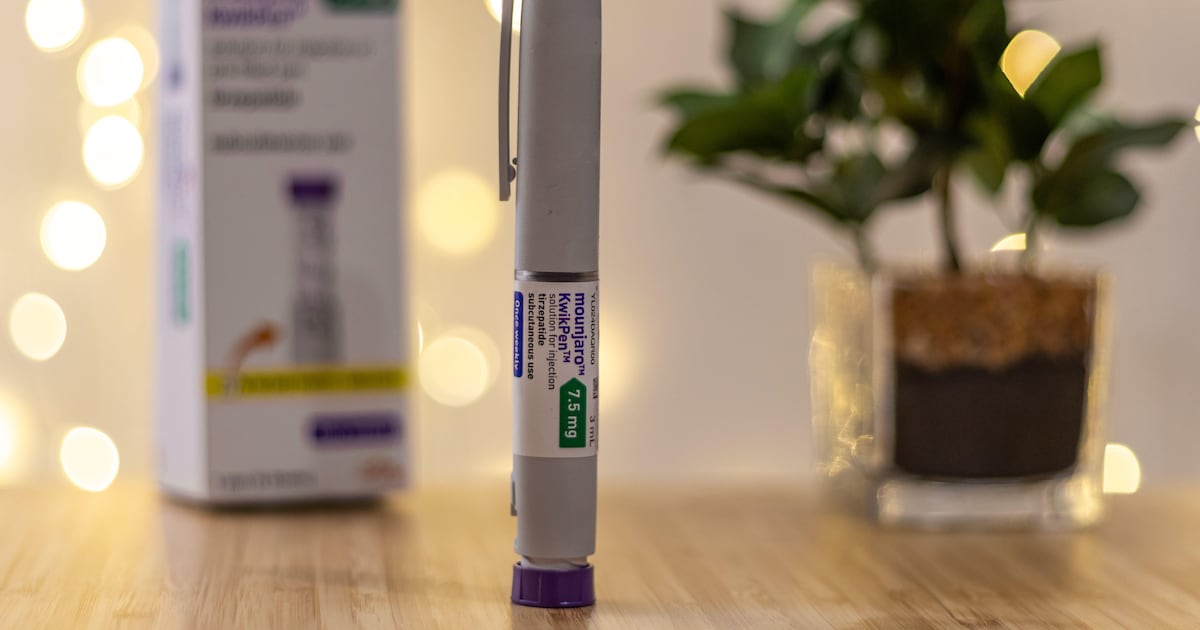
This pressure has intensified with the visibility of weight-loss injections such as Ozempic and Mounjaro. Their rise has made thinness appear more accessible than ever, while flattening the complex medical realities behind them. More troubling is the number of influencers who appear to be using these drugs while attributing their results solely to diet and exercise.
That lack of transparency matters. These medications are prescription-only for a reason, and failing to disclose their use distorts public understanding of health and fuels unrealistic expectations. If someone chooses to use them, that is their decision. But presenting that outcome as willpower alone is unfair to the people measuring themselves against it.
Read more: New year, new me? No thanks – why I won’t be making any New Year’s resolutions – Sophie Clarke
Between all of this, it is easy to get swept up. To buy the apple cider vinegar gummies. To attempt a ‘30-day shred’. To believe this January will be different if you just try harder. I say this as someone who has always struggled with their weight, in a culture that still treats thinness as aspiration. Loving your body is not always easy when it does not resemble what you are constantly being sold.
January does not need to be a reckoning for December. It does not need to be a month of punishment or relentless self-optimisation. For many people, it is already difficult enough.
Perhaps the best thing we could do at the start of a new year is resist the urgency. Our health shouldn’t be treated as a challenge, and our worth is not determined by our weight. Being kinder, to ourselves and to one another, is not a failure to transform.