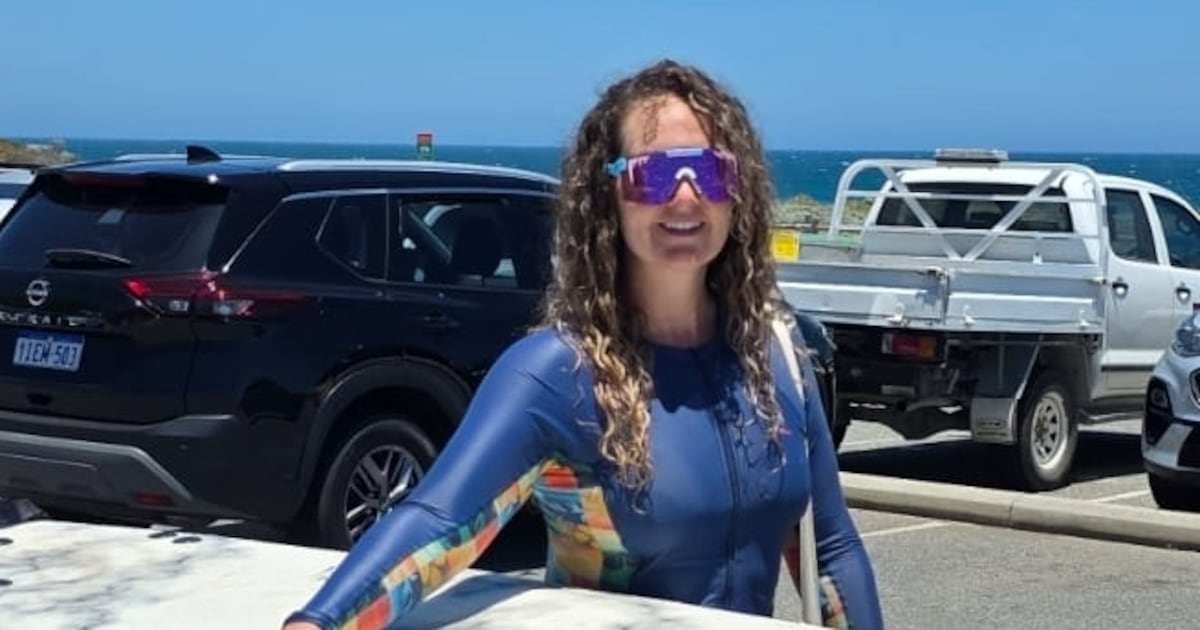
Scarborough Beach in Perth may lack the global recognition of Bondi but shares many of its characteristics: the surf culture; being a mecca for young Irish people on work visas; early morning run clubs; and outdoor barbecues.
Scarborough is where I settled five years into my 10 years of living in Perth. Its beach and foreshore is where I spend much of my free time in between shifts as a doctor in a Perth emergency department.
In the days following December’s horrific terrorist shootings which killed 15 people in Bondi, I walked the Scarborough esplanade with the same thought in my mind I’ve heard others echo: “If it could happen there, it could happen here.”
Returning to Perth after six months of travelling overseas in 2019, I immediately noticed how safe and relaxed the atmosphere felt. In South America I had been hyper-vigilant when walking in public spaces, but never in Perth.
As I walked the foreshore in Perth, I suddenly found myself glancing at various access points a car could use to mow down pedestrians, the escape routes I could take were an attack to happen in my beloved beachside suburb.
I lay on the pristine beach, drying off after a swim and looked at my fellow beachgoers: an Irish woman wrangled a toddler into a pair of sandals; lean teenage boys of multiple ethnicities gathered around a carton of cheap cask wine.
Women of all ages wore swimwear that ranged from G-string bikinis to full-body coverings that left only their hands, feet and faces exposed. Whether religious or for UV protection, it wasn’t my business to ask or to know. I felt proud to be of a culture where women can dress in a way that reflects their own comfort and choices.
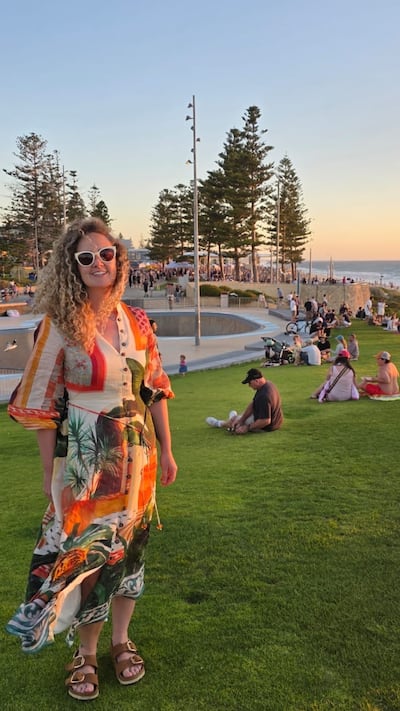 Elizabeth Ahern-Flynn in Scarborough, Perth
When swimming, I gave no thought to my phone and keys left sitting in my bag, the security of my belongings was so assured by a culture that, in general, minds its own business.
I came back down to the beach again that evening to attend the weekly Thursday evening summer markets. Once again, Irish accents punctuated the background chatter. The market stalls served food from around the world and patrons wore all manner of cultural dress from religious head coverings to Kerry GAA Jerseys.
As I queued for my noodles a man behind me explained in Italian to his friend the difference between beef rendang and chicken satay. A woman in a hijab pushed a pram containing a beaming infant. An Indian mother snapped at her child that no, she couldn’t have another ice-cream.
A multicultural society can only succeed if those cultures are underpinned by common guiding values. In the wake of the Bondi shootings Australian media has been awash with chatter as to what those common values are.
Beneath the Australian image of a happy-go-lucky, laid-back cohesive society, operates a complex network of bureaucracy, regulations and buy-in from wider society.
Australian beach culture reflects its broader cultural principles: the public barbecues at the beach only exist because people respect them and leave them clean after use; the beach is only free of litter because of a well-funded local council that provides plenty of waste disposal and a populace that takes great pride in conserving natural beauty.
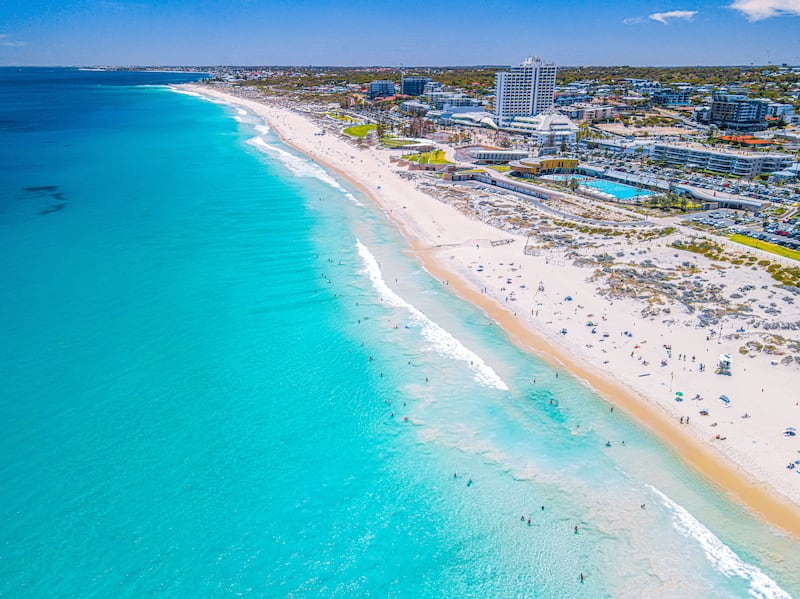 Scarborough Beach, Perth, Western Australia. Photograph: iStock
Women can only relax freely on the beach in clothing that shows as much or as little skin as they choose because they don’t have to worry about male harassment. I can leave my belongings on my towel and walk safely through the crowd at a market because I have no reason to fear the actions of my fellow citizens. The current political discourse regarding immigration can only happen because of a free media and a government that does not prosecute dissent.
While the Bondi attack was undisputedly anti-Semitic, it was also an act against wider Australian culture. It was against a society where celebrations by groups of different cultural and faith backgrounds often happen in parallel, backdropped against the postcard imagery of barrel waves and glistening white sands.
The attacks have shaken Australian society’s view of who it is and what it stands for. It leaves those of us living here to ask, if we cannot participate in public recreation in safety and security without fear of fellow citizens, then who are we?
Elizabeth Ahern-Flynn is from Dublin and moved to Perth in 2015 after graduating from the Royal College of Surgeons in Ireland. She works as a consultant in emergency medicine.