I probably don’t need to tell you that dead bugs are far more effective when it comes to working on the muscles in your midsection compared to sit-ups and crunches. However, this only rings true if you’re doing the exercise with good form.
One easy way to test your form is by doing this one second ‘paper test’. As a fitness editor and Pilates enthusiast, I was pretty sure I’d pass with flying colors, but it turns out that, despite being two years postpartum, my core isn’t anywhere near as strong as I thought it was. Readers, get ready to be humbled.
As a reminder, if you’re a complete beginner, you’re pregnant, or you’re returning to exercise following a pregnancy or injury, it’s always a good idea to check in with a qualified professional before trying something new.
You may like
How to do a dead bug
Let’s start with how to do a dead bug with good form. You might want one of the best yoga mats to make this exercise more comfortable, as you’ll be lying on your back on the floor. To increase the intensity as you get stronger, you can add a resistance band or hold a set of the best adjustable dumbbells in your hands.
(Image credit: Shutterstock)
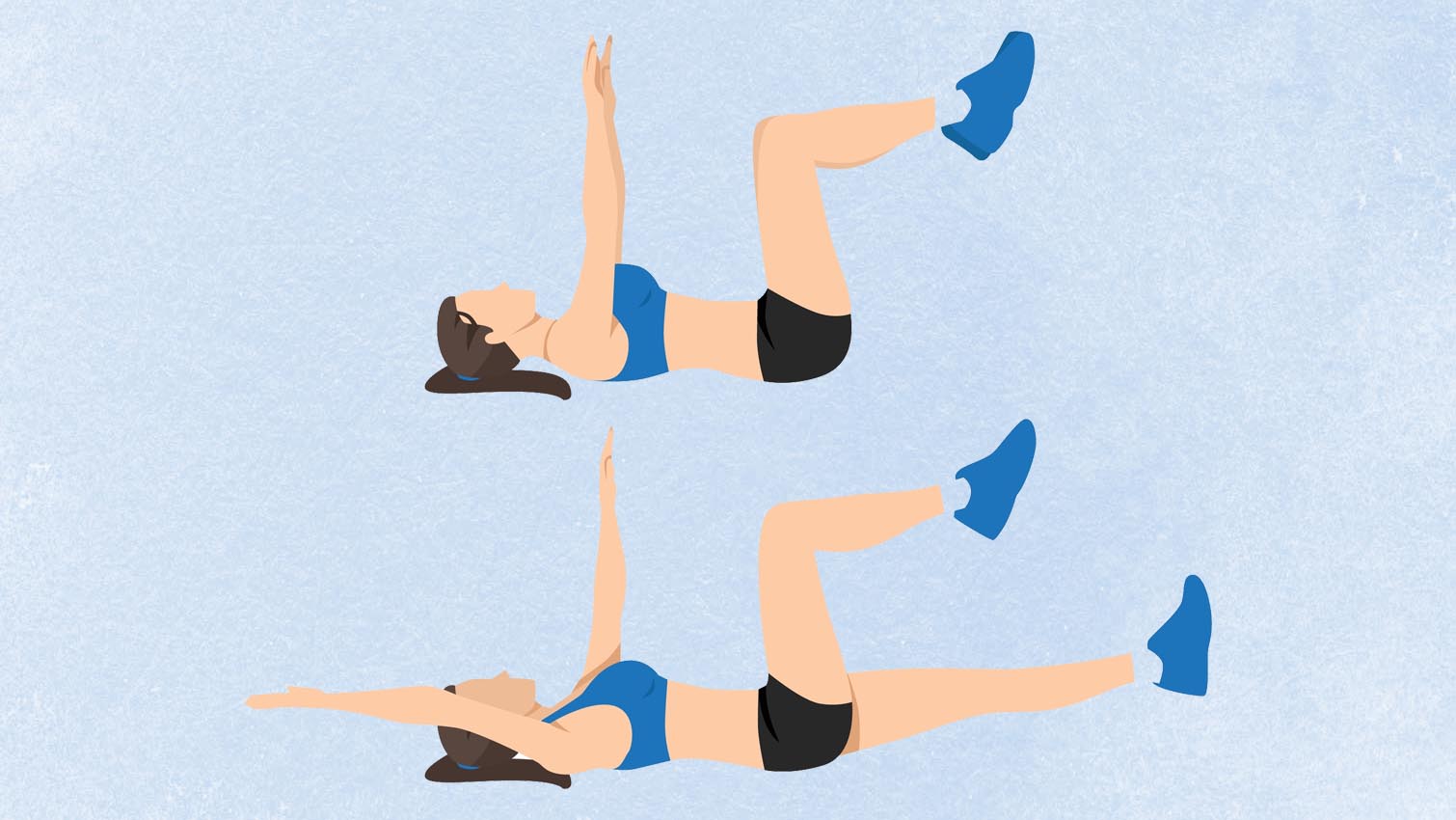
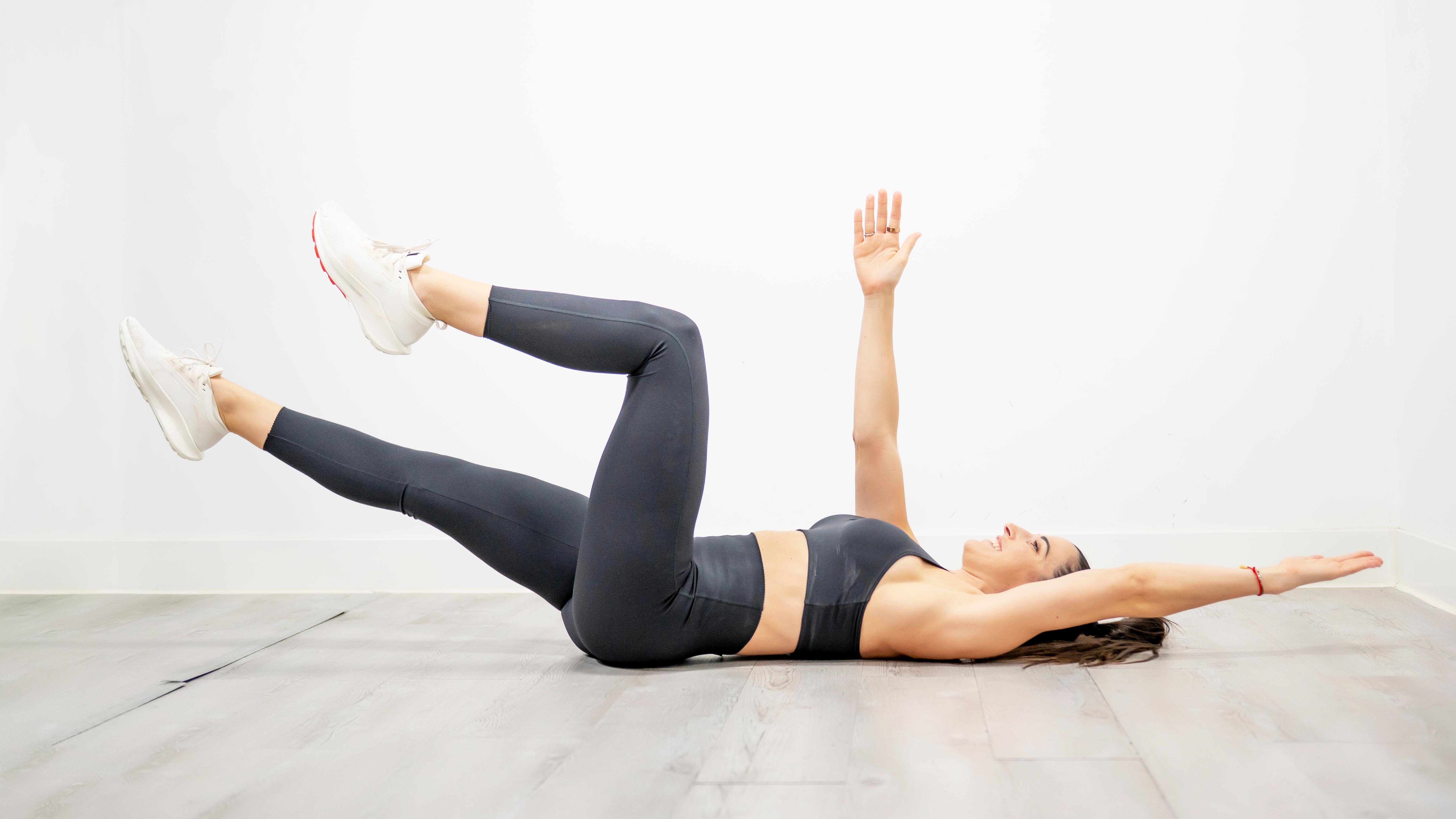
- Start on your back, keeping your lower back pressed into the mat — think about sucking your belly button into your spine
- Raise your arms straight above you, and your knees into tabletop position
- Slowly lower your right arm to a couple of inches off the floor behind your head, as you do so, stretch your left leg away from your body and lower that to just above the floor
- Pause, then return to your starting position and repeat on the opposite side. Keep alternating sides, and aim for three sets of 10 reps on each side.
What is the dead bug paper test?
If someone can pull the paper out from underneath your back, you’re not engaging your abs, as your lower back should stay pressed into the floor at all times.
The dead bug paper test allows you to check in a second whether you’re properly engaging your abdominal muscles during the exercise. All you’ll need is a sheet of paper. Place the sheet of paper underneath your lower back during the exercise. If someone can pull the paper out from underneath your back, you’re not engaging your abs, as your lower back should stay pressed into the floor at all times during the exercise.
To keep your lower back pressed into the floor, think about really squeezing your core, sucking your belly button in towards your spine. You also want to ensure you’re moving slowly and with control throughout your reps — move too quickly, and you might lose form, allowing the paper to move.
Finally, you want to make sure you’re not holding your breath during your dead bugs, as this could lead to your lower back peeling away from the floor. Focus on breathing out as you extend your arm and leg, and breathing in as you return to your starting position.
(Image credit: Shutterstock)What are the benefits of performing dead bugs?
Dead bugs are one of the best abdominal exercises for targeting the deepest core muscles — the transverse abdominis. It is also a stabilization exercise, which means dead bugs target the erector spinae that help stabilize the spine and support the lower back, at the same time teaching the core to resist arching the lower back.
If you spend a lot of time sitting behind a desk, dead bugs can help work on an anterior pelvic tilt — a common complaint of office workers. Adding dead bugs to your routine can help reduce and prevent lower back pain, as well as hitting your deep core, oblique, and pelvic floor muscles.

Follow Tom’s Guide on Google News and add us as a preferred source to get our up-to-date news, analysis, and reviews in your feeds.
More from Tom’s Guide
Today’s best Apple Watch 11 deals