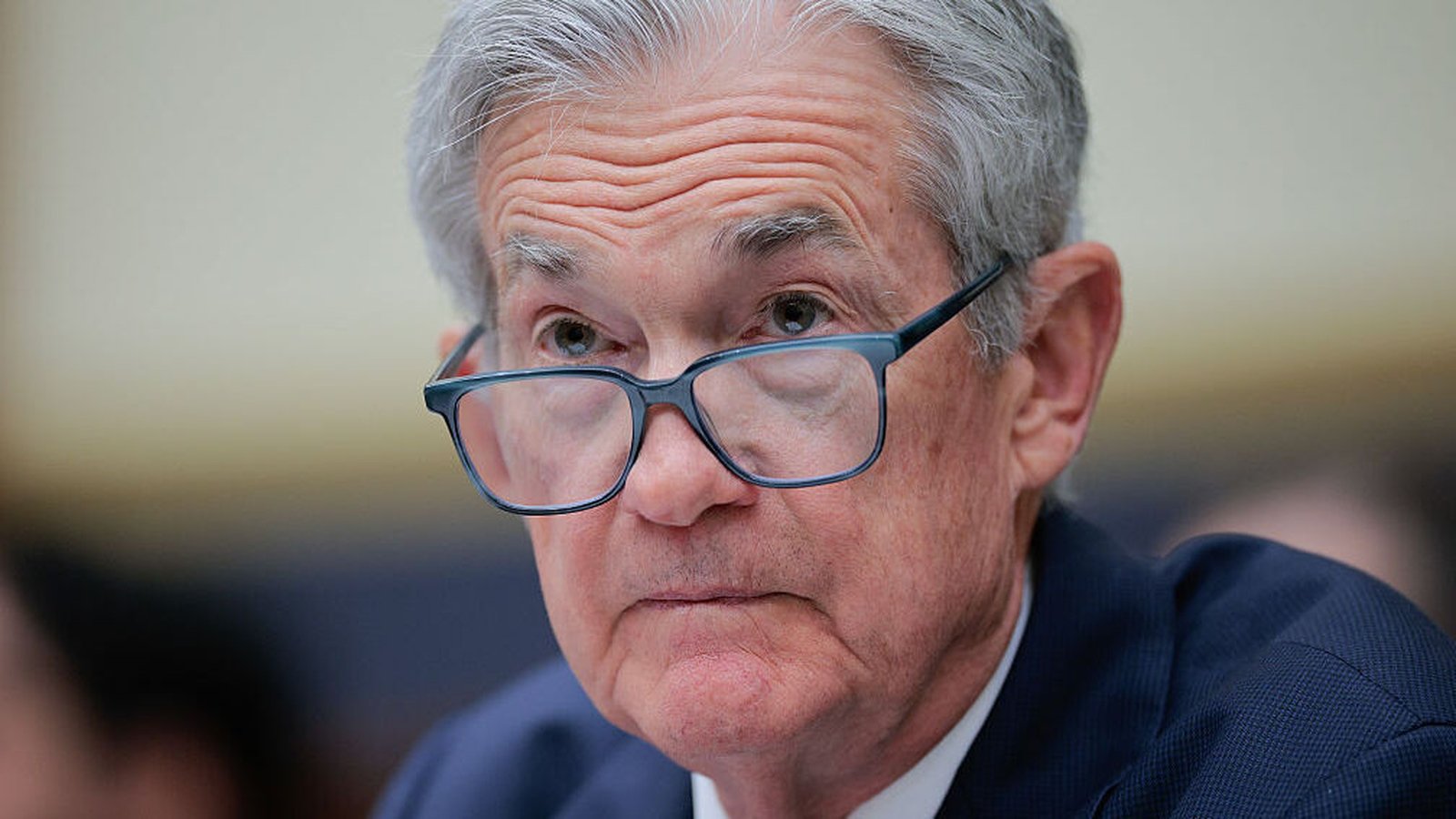
The chiefs of many of the world’s major central banks issued a joint statement in support of Federal Reserve chair Jerome Powell today, after the Trump administration threatened him with a criminal indictment.
Jerome Powell is at the centre of a US administration’s criminal probe about the renovation of the Fed’s headquarters, which he called a “pretext” to win presidential influence over interest rates.
The heads of the European Central Bank, the Bank of England, the Bank of Canada and eight other institutions said Powell had acted with integrity and that central bank independence was crucial for keeping prices and financial markets stable.
“We stand in full solidarity with the Federal Reserve System and its Chair Jerome H Powell,” the central bankers said in a rare joint statement.
“The independence of central banks is a cornerstone of price, financial and economic stability in the interest of the citizens that we serve,” they added.
The US probe has already drawn criticism from the world of finance and also some key members of Trump’s Republican Party.
Central bankers fear that political influence over the Fed would erode trust in the bank’s commitment to its inflation target. This would lead to higher inflation and global financial market volatility.
Since the US is the world’s dominant economy, it would likely export this higher inflation via financial markets, making it more difficult for other central banks to keep prices stable.
“It is therefore critical to preserve that independence, with full respect for the rule of law and democratic accountability,” the group of central bankers said.
It included the central bank chiefs of Sweden, Denmark, Switzerland, Australia, South Korea, Brazil and France, as well as the chair of the Bank for International Settlements, an umbrella body.
A source said before the statement was published that all central bankers would be welcome to join later.
Read more
Pushback after Trump administration’s probe of Federal Reserve’s Powell
Putting political pressure on monetary policy increases inflation and erodes financial stability, European Central Bank policymaker Martin Kocher said today, without naming US President Donald Trump who is pressuring the Federal Reserve.
“Central bank independence is not an abstract institutional principle. It’s essential for protecting citizens’ purchasing power and economic stability. And history, also including episodes in the US, shows very clearly what can happen when monetary policy is subject to political pressure,” Kocher told an FT Live conference in Vienna.
Wall Street CEOs back Fed independence
CEOs from top Wall Street banks JPMorgan Chase and BNY also voiced support for the independence of the US Federal Reserve today.
“Everyone we know believes in Fed independence,” JPMorgan CEO Jamie Dimon told reporters on a conference call.
“This is probably not a great idea and in my view, it will have the reverse consequences of raising inflation expectations and probably increase rates over time.”
Dimon, one of the most influential figures in corporate America, said Fed independence was “absolutely critical” last year.
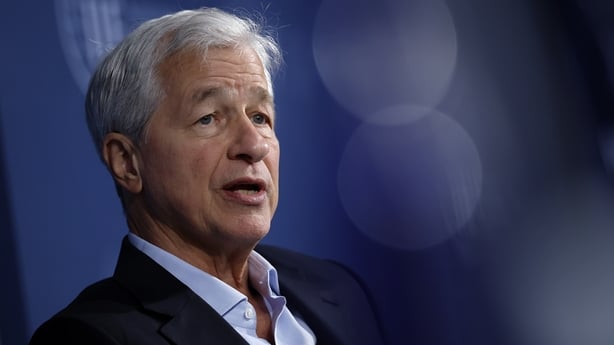
Jamie Dimon
BNY CEO Robin Vince also warned of negative consequences of eroding Fed independence today.
“Independent central banks with the ability to independently set monetary policy in the long term interests of the nation is a pretty well established thing that we’ve seen all around the world over a very long period of time,” Vince told reporters on a call.
“Let’s not shake the foundation of the bond market and potentially do something that could cause interest rates to actually get pushed up because somehow there’s lack of confidence in the Fed’s independence,” Vince said.
“Loss of Fed independence tends to lead to steeper yield curves and other damage to ongoing economic dynamism,”JPMorgan’s finance chief, Jeremy Barnum, also said on a call with reporters.
“The larger question is damage to American economic prospects and, frankly, global economic stability.”
Trump has demanded the Fed slash rates since resuming office in 2025, blaming its policies for holding back the economy and publicly musing about firing Powell, despite legal protections that ostensibly shield the Fed chair from removal.
While Powell’s term as chair ends in May, he has the right to remain on the Fed board until January 31, 2028, denying the president another Fed appointment that would otherwise be Trump’s fourth on the seven-member board until near the end of his term.