
Listen to this article
Estimated 3 minutes
The audio version of this article is generated by AI-based technology. Mispronunciations can occur. We are working with our partners to continually review and improve the results.
After nearly 25 years, Prince Edward Island’s compost system is set to be replaced and modernized.
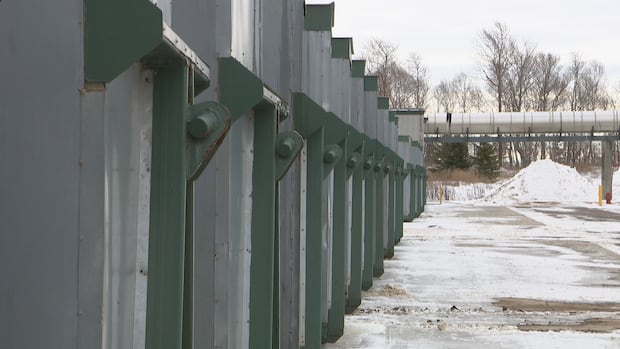
The system, located at Island Waste Management Corporation’s central composting facility in Brookfield, P.E.I., was installed in 2002. The facility receives more than 19,000 tonnes of compost per year, which gets sorted, put into containers, and then cured.
Heather Myers, director of operations at IWMC, said a 2021 condition assessment identified that while many components at the facility are expected to remain in service for years, the active composting system is nearing the end of its operational lifespan.
She said the system — more than 50 containers where the act of composting happens — is the most “aggressive” part of the process, and where the most activity takes place.
“That’s where the most active breakdown occurs of the organics… It’s the most corrosive part of the environment. So that’s why it would break down or deteriorate more quickly than other aspects of the facility,” Myers said.
“There’s a lot of organic assets, for instance a lot of moisture. So that’s hard on the system.”
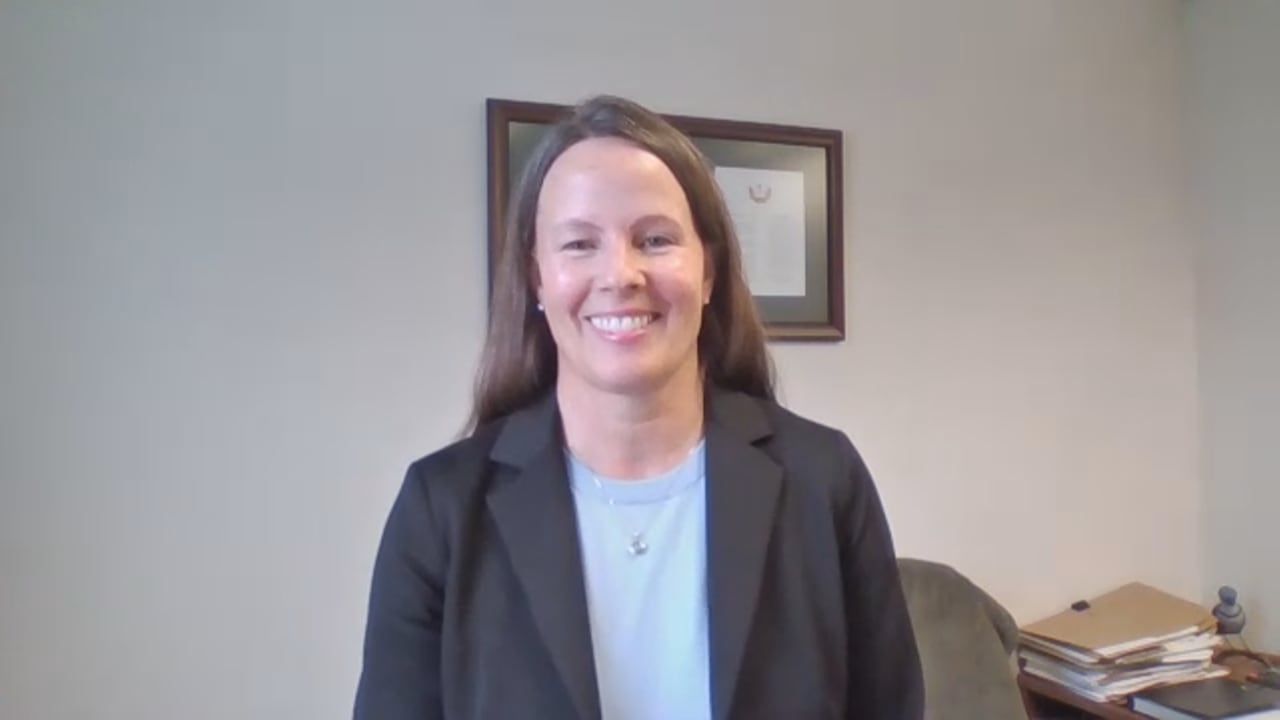 Heather Myers, director of operations at Island Waste Management Corporation, says the active composting system is the most aggressive part of the system, and sees the most activity. (Zoom)
While the inside of the containers are stainless steel, Myers said they won’t last forever.
“Even stainless steel is going to… take wear and tear over the number of years with the organics breaking down in the containers.”
IWMC has a request for proposals (RFP) out now to replace the system — possibly with totally different machinery or technology.
“We’re excited to get started on the process and see what we’ll end up with, if it’s another containerized composting system, or there’s other types out there now. There’s membrane systems, there’s channel systems, tunnel systems,” Myers said.
“So we’re keeping an open mind and having a look at what is going to be the best replacement for the compost facility.”
The corporation hopes to get responses to the RFP by February, and the plan is to have the new machinery in place sometime in 2027.
The cost is expected to be in the millions — likely around $12 million.
But, Myers said, it is a very important piece of infrastructure.
“One of the main benefits of having the central compost facility is, first of all, to keep the organics out of the waste stream, so that it’s not going into the landfill where methane gas can be generated,” she said.
“Methane gas is an extremely harmful greenhouse gas. So that is the whole purpose and the main benefit of having the compost facility is a place for the organic waste to go to so that it is being handled in an environmentally-friendly manner.”