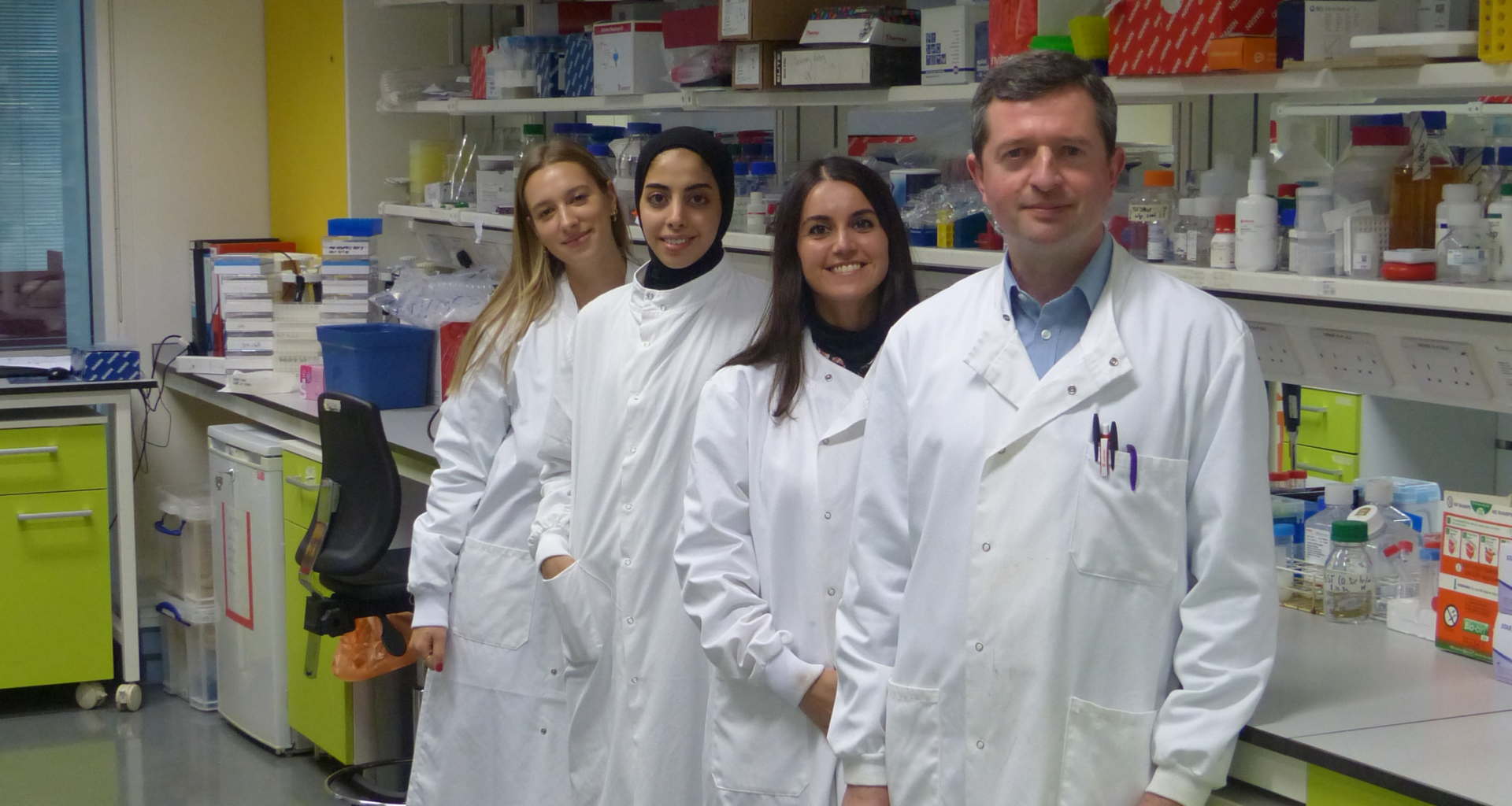
Researchers at Imperial have been awarded £1.1 million from the Medical Research Council (MRC) to investigate how a key gene, ERG, controls the function of the lymphatic system and shapes the body’s immune response.
The research – led by Dr Graeme Birdsey from the National Heart and Lung Institute (NHLI) in collaboration with Professor Jacqui Shields at the University of Nottingham – will reveal how defects in lymphatic endothelial cells affect immunity, with potential implications for conditions such as primary lymphoedema.
ERG is a transcription factor previously known for its role in regulating gene expression within the endothelial cells that line blood vessels. Recent work from Dr Birdsey’s group has shown that it performs a similar regulatory function in lymphatic endothelial cells, the cells lining the vessels that drain tissue fluid and transport immune cells to lymph nodes.
Dr Graeme Birdsey, Associate Professor in Vascular Science, said, “The lymphatic system is vital for immune surveillance – the immune system uses the lymphatics to send white blood cells to the lymph nodes, where they then send out signals to respond to infection. We want to ask whether ERG plays a role in that process and what happens when it goes wrong,”
The team’s previous work, using data from the 100,000 Genomes Project, has already identified primary lymphoedema patients with rare variants in ERG, suggesting the gene’s disruption may contribute to both impaired lymphatic function and susceptibility to infection.
The new funding will allow the team to investigate how loss of ERG alters lymphatic structure, lymph node organisation and the trafficking of immune cells. They will use advanced experimental models, combined with cutting-edge molecular and imaging techniques, to map the pathways controlled by ERG and identify how changes in these pathways could weaken immune responses in diseases such as primary lymphoedema.
Ultimately, the research may reveal new molecular targets for future therapeutic interventions that strengthen immune function by restoring healthy lymphatic behaviour.
Reflecting on the award, Dr Birdsey said, “I’m overjoyed. This has been a long time coming, and I’m really proud of the work my group has done to get us to this point. To receive this recognition, and to know that our research has real potential to benefit human health, means a great deal. Science isn’t done by individuals, so I’m grateful to my collaborators and the MRC for supporting us.”