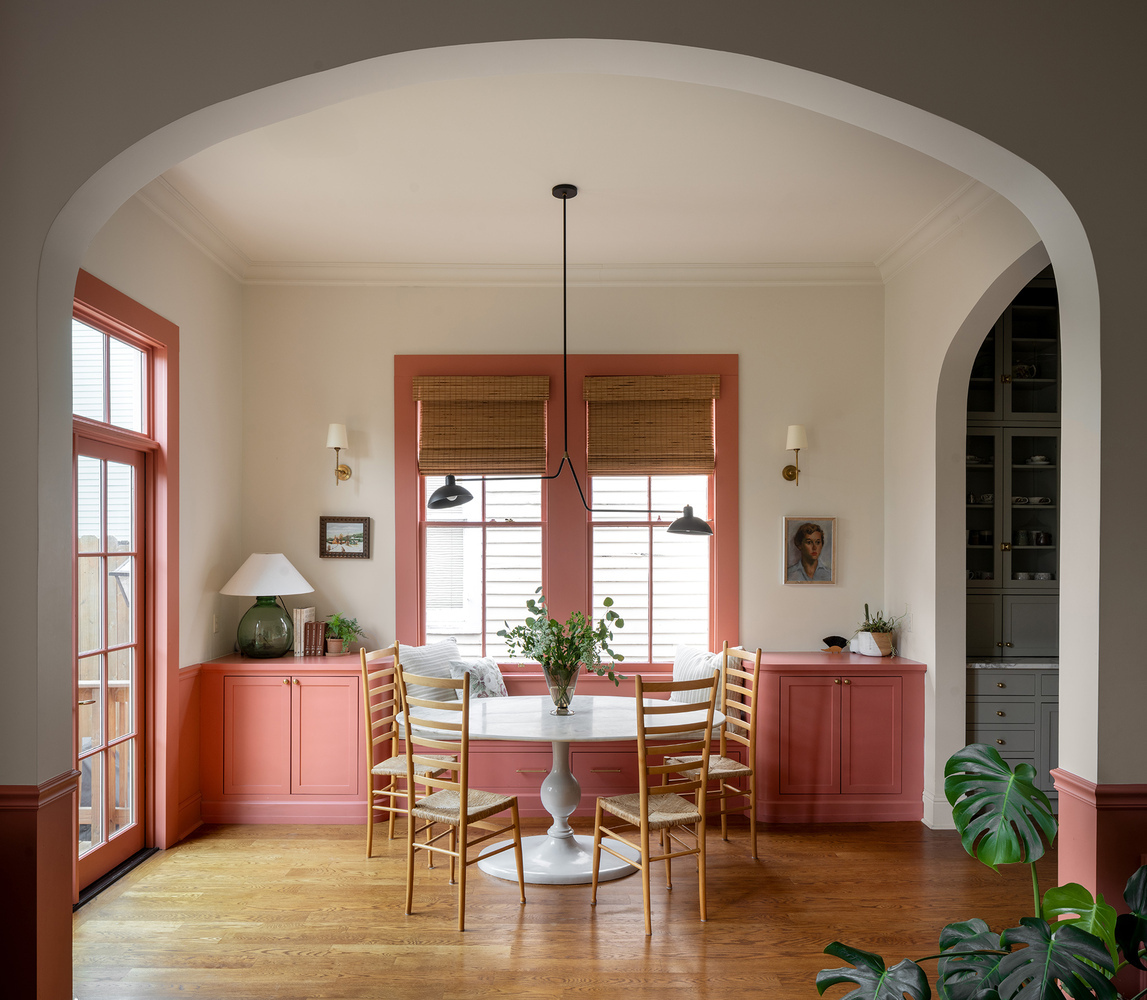
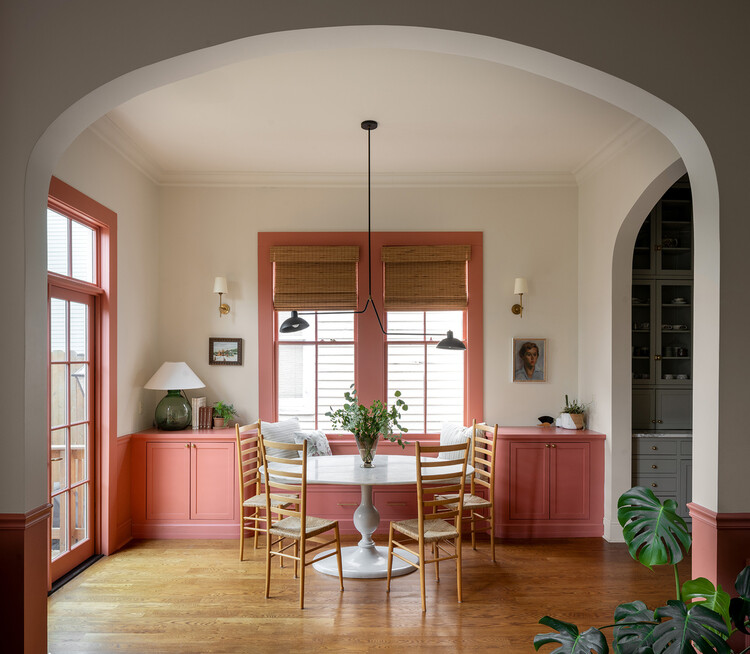
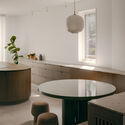
 Perrier Residence / CICADA. Image © Seamus Payne
Share
Share
Or
https://www.archdaily.com/1037472/morning-rituals-architecture-of-breakfast-spaces
Breakfast nooks emerged in the early twentieth century in response to increasing domestic density and shifting ideas about everyday life. Rooted in the American Arts and Crafts movement and popularized through bungalow housing of the 1910s and 1920s, they evolved from the more formal Victorian breakfast room into compact, built-in spaces embedded within the kitchen. As houses grew smaller and more economical, architects and millwork companies used fixed benches and tables to occupy corners, alcoves, and bay windows that might otherwise be inefficient. These light-filled enclosures provided an affordable means of concentrating daily activities while preserving comfort and spatial clarity.
With a growing emphasis on domestic flexibility, the Arts and Crafts ideals promoted simpler, family-centered living, bringing meals and everyday tasks into closer proximity to food preparation. Unlike formal dining rooms, which were reserved for guests and special occasions, nooks supported casual meals, homework, and household work throughout the day. Their fixed form reduced circulation and saved effort, thereby allowing multiple activities within a small, clearly defined area.
By the mid-twentieth century, breakfast nooks persisted in postwar homes, often paired with formal dining rooms, before declining as open-plan kitchens and large islands became dominant in the late twentieth century. Today, they have reemerged under new pressures. Contemporary homes must accommodate higher densities, fewer dedicated rooms, and rapidly changing uses, including remote work and informal social life. Modern breakfast spaces rarely appear as enclosed alcoves; instead, they take the form of banquettes, island edges, bars, and window benches integrated into open plans. The contemporary challenge lies in designing these spaces to remain adaptable without losing the sense of scale, enclosure, and everyday usefulness that initially made the breakfast nook an enduring feature of domestic architecture.
Related Article Culinary Architecture: 16 Projects that Explore Different Kitchen Layouts The Blue Box / Bruzkus Greenberg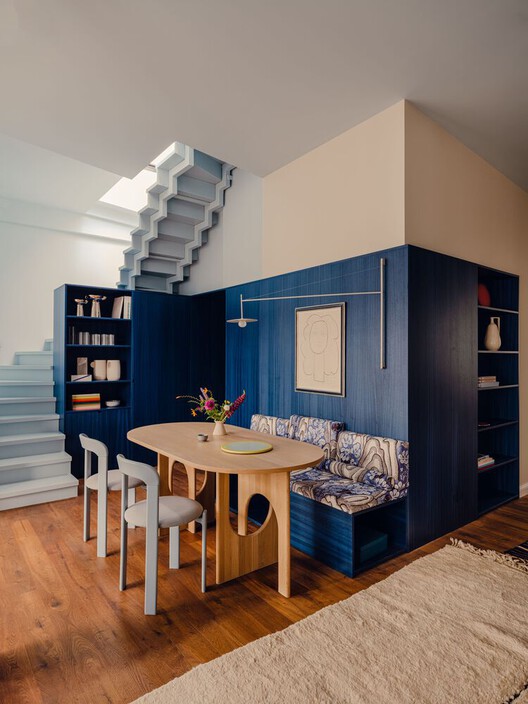 The Blue Box / Bruzkus Greenberg. Image © Pion StudioLark House / SHED Architecture & Design
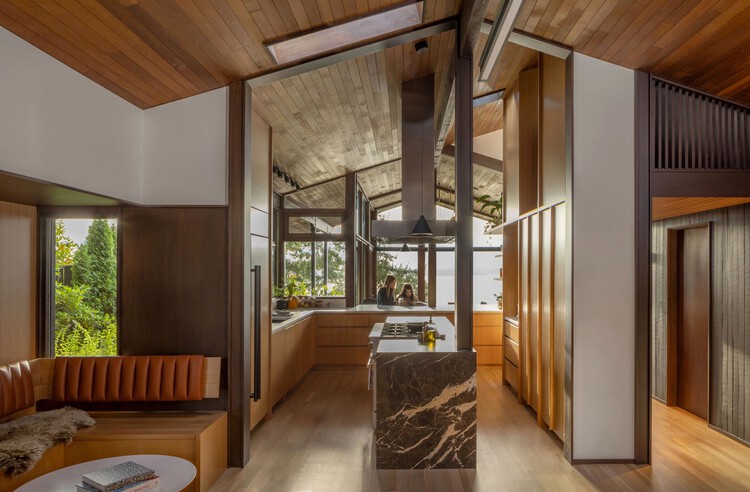 Lark House / SHED Architecture & Design. Image © Rafael SoldiCarmel Residence / Dirk Denison Architects
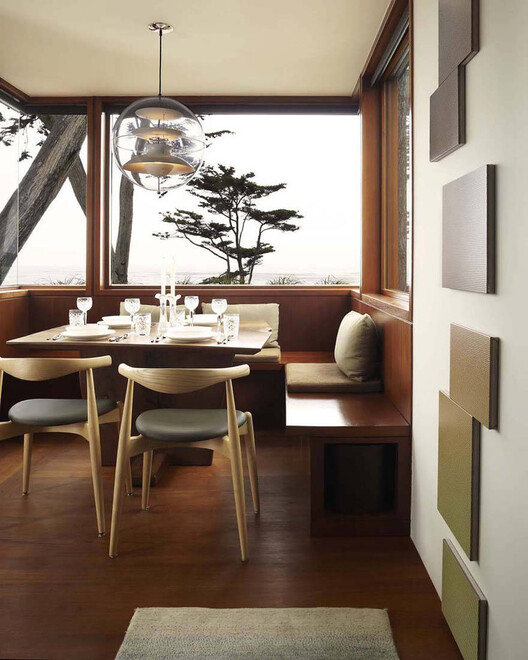 Carmel Residence / Dirk Denison Architects . Image © David Matheson
Breakfast nooks gained prominence in the 1920s as domestic architecture responded to smaller house sizes and the widespread adoption of bungalow plans. Characterized by built-in benches and fixed tables, these compact dining spaces were integrated directly into kitchens or window bays, allowing daily meals to take place within a controlled and efficient footprint. Their persistence over the past century reflects more than nostalgia. Breakfast nooks continue to evolve as adaptable domestic elements, supporting informal meals, children’s activities, and quiet moments of use while remaining closely tied to light, proximity, and everyday routines.
Perrier Residence / CICADA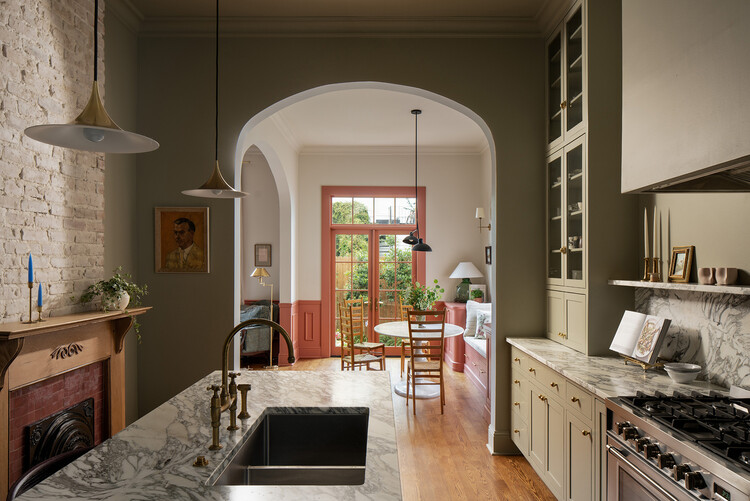 Perrier Residence / CICADA. Image © Seamus PayneForest House / RAWI Arquitetura + Design
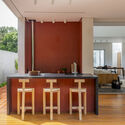
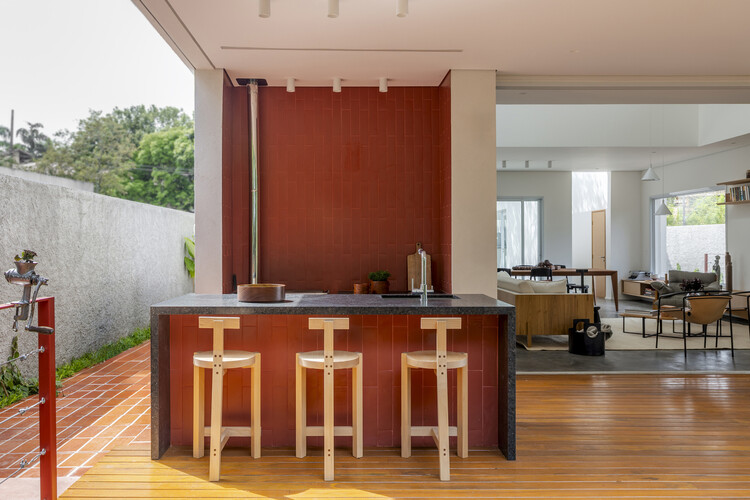 Forest House / RAWI Arquitetura + Design. Image © Rafael Renzo
Enclosures remain valuable even within open-plan spaces, and fixed elements often provide greater flexibility than loose furniture. Whether linear, L-shaped, U-shaped, freestanding, or integrated into an island or bar, successful breakfast spaces rely on clear boundaries, appropriate scale, and intentional placement. Their differences are operational rather than aesthetic, shaped by circulation patterns, adjacency, and daily routines.
Rathnelly House / Studio VAARO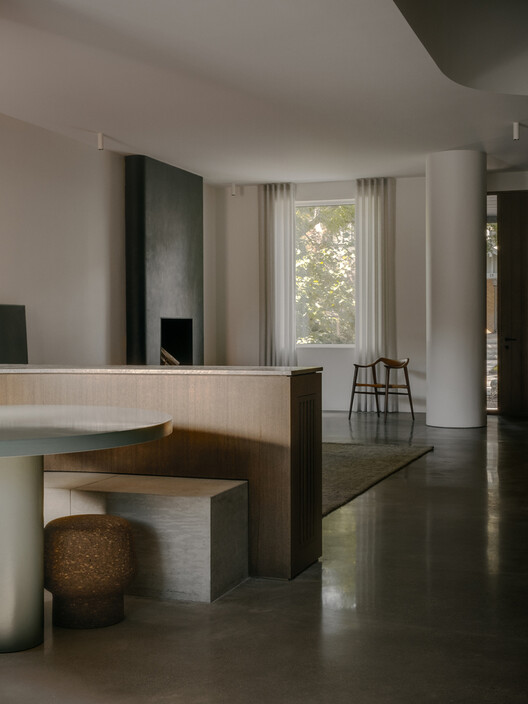 Rathnelly House / Studio VAARO. Image © Felix MichaudThe Jungle Residence / ROOM+ Design & Build
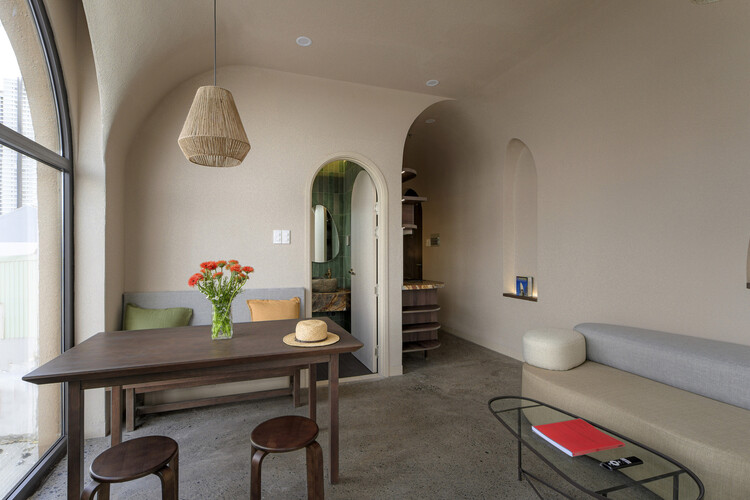 The Jungle Residence / ROOM+ Design & Build . Image © Sonmeo Nguyen Art Studio
The spatial logic of the breakfast nook extends beyond the single-family home. Similar strategies now appear in co-living developments, student housing, hospitality interiors, and workplace environments, where compact, semi-enclosed seating supports informal interaction, short dwell times, and flexible use. Across regions and building types, these spaces share common characteristics. They occupy residual or transitional areas, rely on built-in elements for definition, and balance openness with a sense of retreat. In this broader context, the breakfast space can be understood as part of a wider architectural shift toward everyday, adaptable environments.
415N Apartment / CODA Arquitetura 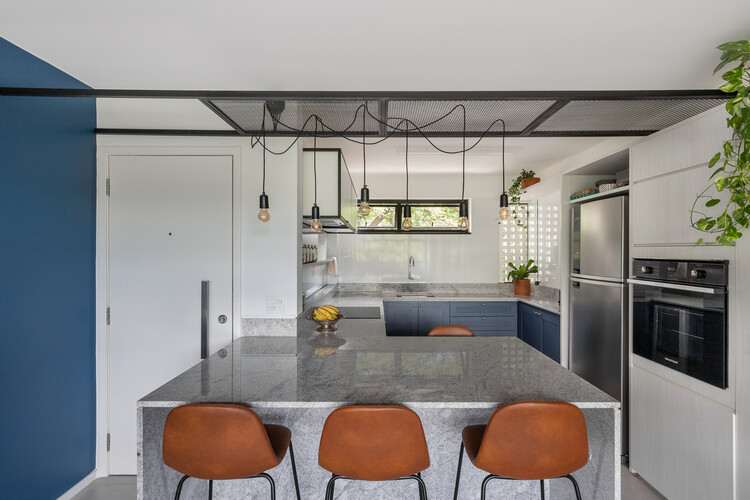 415N Apartment / CODA Arquitetura. Image © Julia TotoliSobremesa House / Studio McW
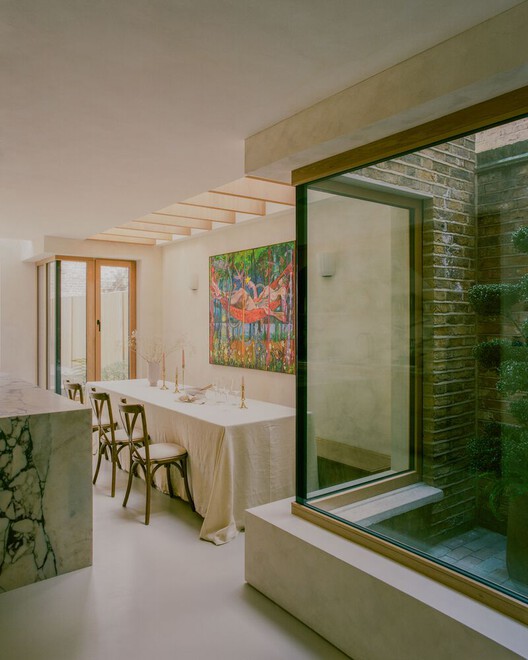 Sobremesa House / Studio McW. Image © Lorenzo Zandri
These lessons are increasingly relevant as contemporary homes accommodate higher densities and a broader range of activities. Remote work, informal learning, and overlapping schedules have placed new demands on domestic interiors, often without increasing square footage. Within this context, breakfast spaces succeed when they remain specific and restrained. Oversized islands and undefined eating zones frequently fail by attempting to accommodate everything at once, while smaller, more deliberate configurations continue to support multiple uses without spatial confusion.
For designers working across domestic and collective settings, the breakfast space offers a set of practical design strategies. Prioritize adjacency to kitchens and service areas before defining form. Use fixed elements such as benches, ledges, and joinery to create clarity within flexible plans. Size spaces for everyday use rather than occasional gatherings, and allow enclosure to support comfort, acoustics, and focus. Above all, approach breakfast spaces as architectural conditions rather than furniture solutions. In responding to one of the smallest rituals of daily life, they continue to offer durable and transferable lessons for contemporary design.
This article is part of the ArchDaily Topic: Coming Together and the Making of Place. Every month we explore a topic in-depth through articles, interviews, news, and architecture projects. We invite you to learn more about our ArchDaily Topics. And, as always, at ArchDaily we welcome the contributions of our readers; if you want to submit an article or project, contact us.