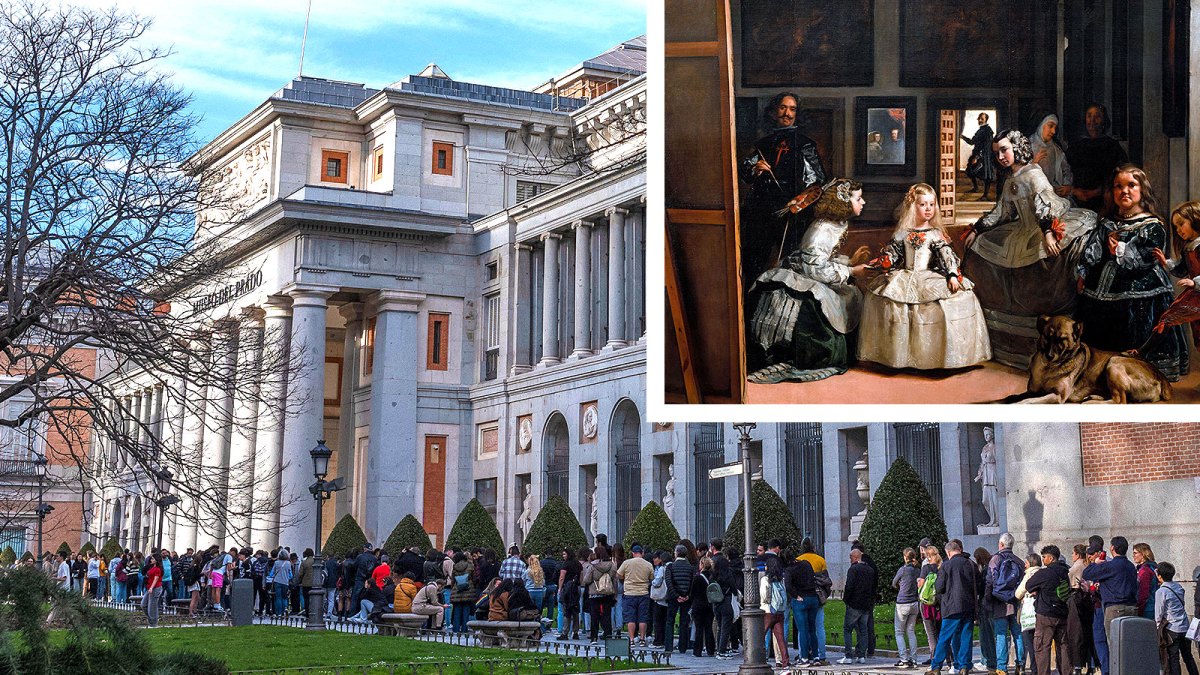
If the self-portrait that Diego Velázquez painted in Las Meninas could see, he would gaze out on crowds jostling in front of his masterpiece in the Prado.
The head of Madrid’s blockbuster museum once feared that the institution attracted insufficient visitors, owing to an economic crisis and then the pandemic. Now Miguel Falomir is worried that it is in danger of becoming “over-saturated” and a victim of its own success.
Falomir said the museum did not want to chase ever-higher attendance figures after recording more than 3.5 million visitors for the first time in its history last year.
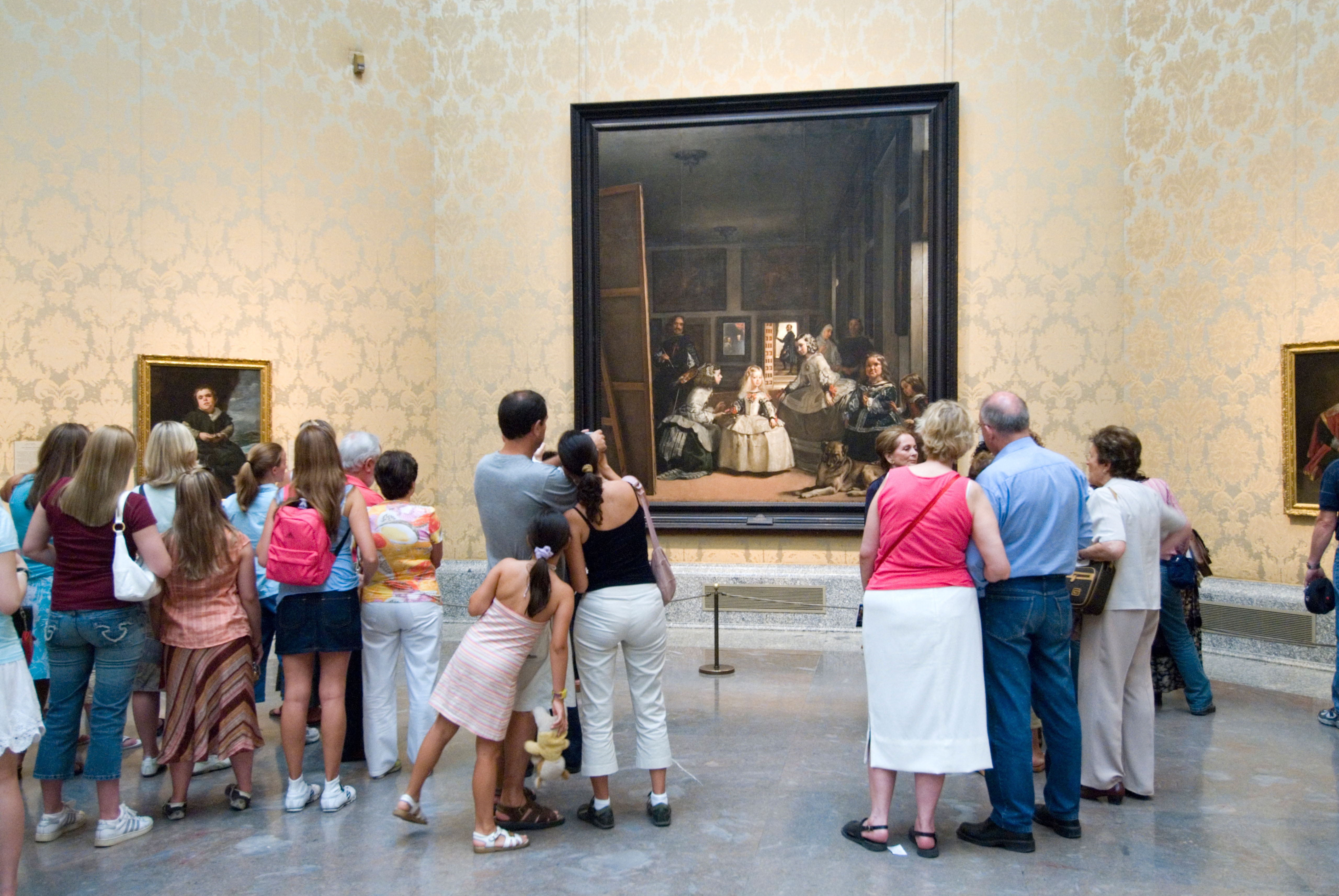
Las Meninas by Diego Velázquez
ALAMY
“The Prado does not need a single visitor more. We are comfortable with 3.5 million,” he said, while presenting the museum’s programme for 2026. “A museum can collapse due to success, like the Louvre, with some rooms becoming over-saturated. The important thing is not to collapse.”
Although the Louvre attracts significantly more visitors — about 8.7 million in 2024, far above its original design capacity — Falomir noted the Prado is eight to ten times smaller than the French institution, meaning it receives far more visitors per square metre.
That pressure is most visible in front of Velázquez’s Las Meninas, one of the most celebrated and analysed works in western art, where dense clusters of visitors gather for much of the day.
To address the broader issue of crowding, the Prado has launched what it calls a “host plan”, designed to preserve — and where possible improve — the quality of visits rather than increase visitor numbers. “It can’t be like taking the tube at rush hour,” Falomir said. “You can’t judge a museum by the number of visitors. The quality of the visit is more important than the quantity.”
In the past Falomir has expressed concern about the congestion around Las Meninas and other popular works such as Francisco Goya’s “Majas” paintings and Hieronymus Bosch’s The Garden of Earthly Delights. A university study suggested that Bosch’s triptych attracted the longest average viewing times in the Prado, as visitors spend more than four minutes on average looking at its depictions of Eden, worldly pleasures and hell, contributing to bottlenecks in that room.
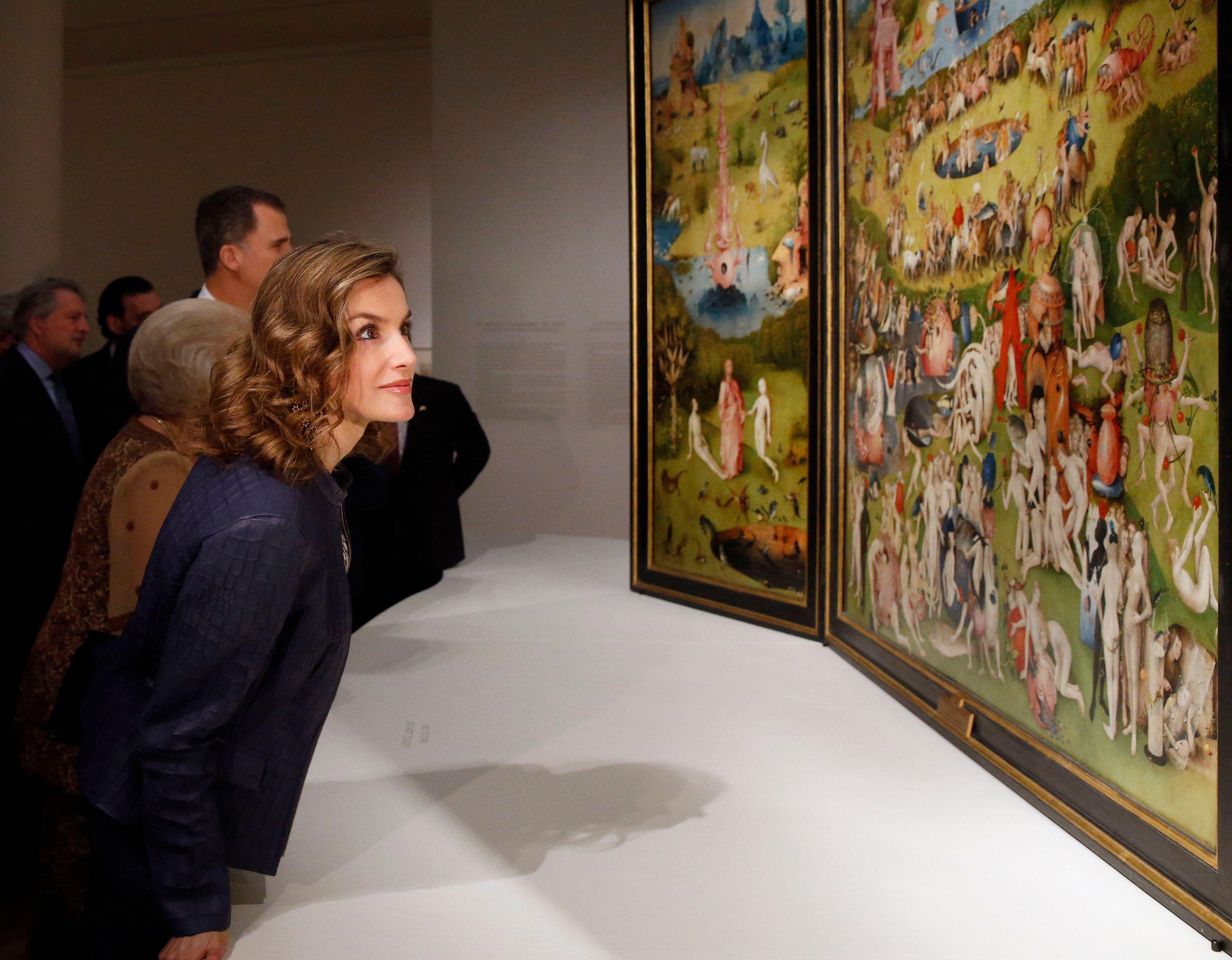
Queen Letizia visits the exhibition of Dutch artist Hieronymus Bosch during at El Prado Museum in May, 2016
JJ GUILLEN/ZUMA PRESS WIRE
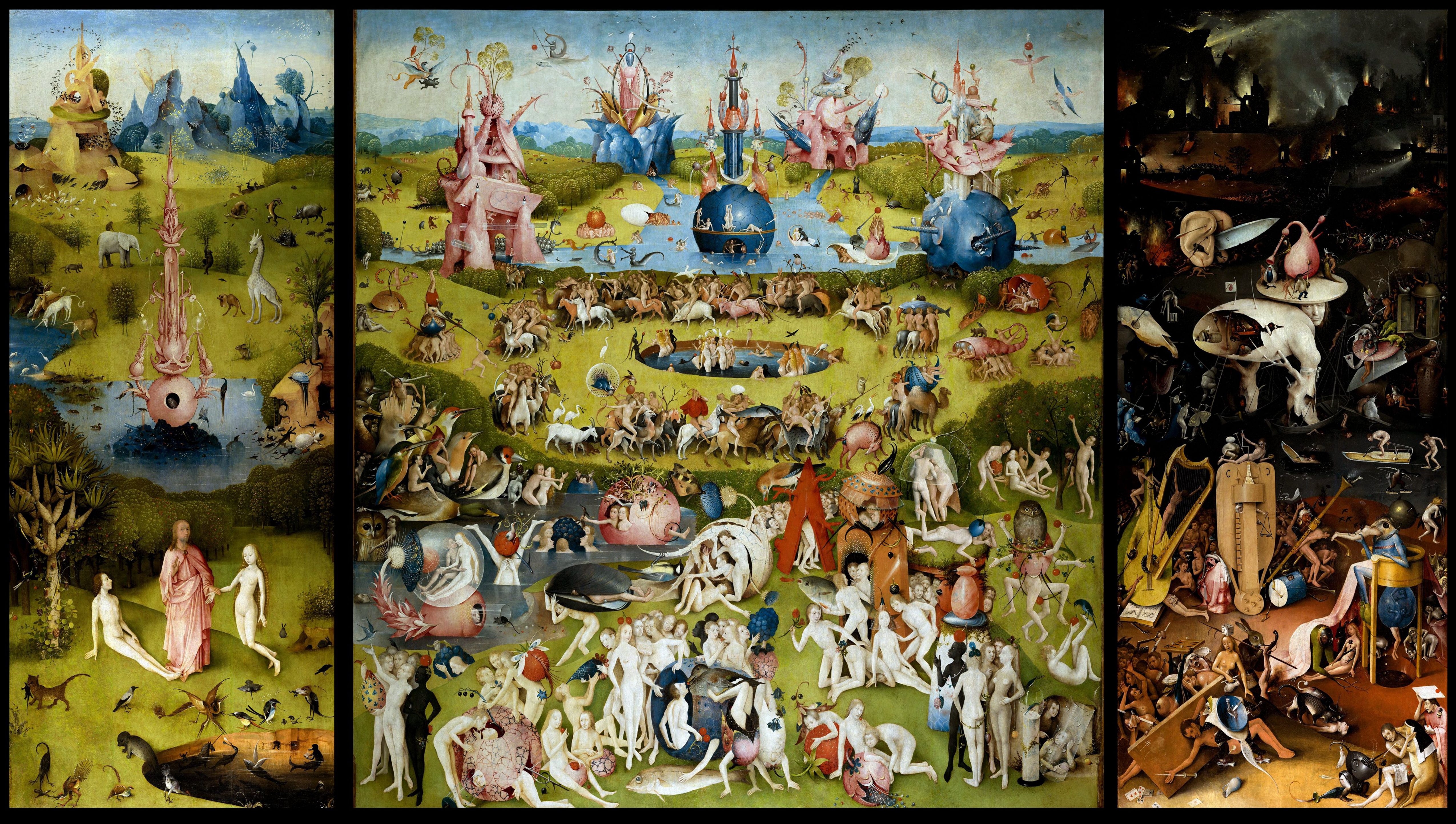
The Garden of Earthly Delights
UNIVERSAL HISTORY ARCHIVE/UNIVERSAL IMAGES GROUP/GETTY IMAGES
The plan focuses on managing how people move through the museum rather than restricting access outright.
Falomir said that entrances would be optimised, group sizes reduced and existing rules — including the ban on taking photographs inside the galleries — more strictly enforced to prevent congestion and distractions in the exhibition spaces.
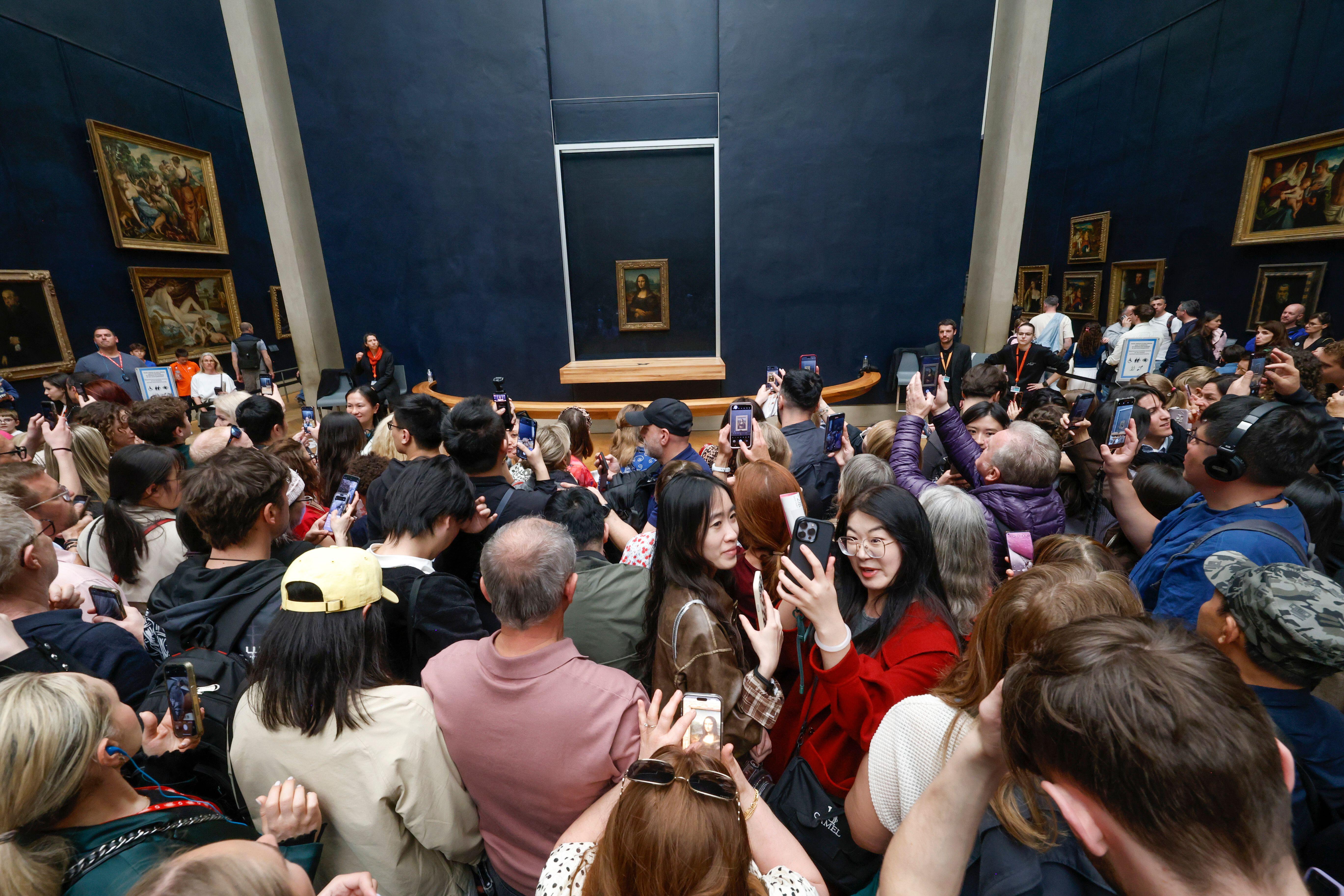
Huge crowds jostle to see Leonardo da Vinci’s Mona Lisa at the Louvre, Paris
ALAMY
Another objective is to rebalance the profile of the museum’s audience as local fears grow about the impact of Madrid’s booming tourism industry. According to figures presented, about 65-75 per cent of the museum’s visitors last year were foreigners. Falomir said the Prado would like to see more Spanish visitors. “A museum should not become detached from its domestic public,” he added.
The Prado’s stance places it at the centre of a broader debate among major museums about overtourism and sustainability.
The Louvre’s leadership, while reeling from last year’s embarrassing theft of royal crown jewels, has warned that its historic building and facilities, designed for far fewer annual visitors, are strained under current crowds.
Its director, Laurence des Cars, this month described visits as a “physical ordeal”. He is pursuing renovation and visitor-management measures partly aimed at easing pressure around its most popular painting, the Mona Lisa.