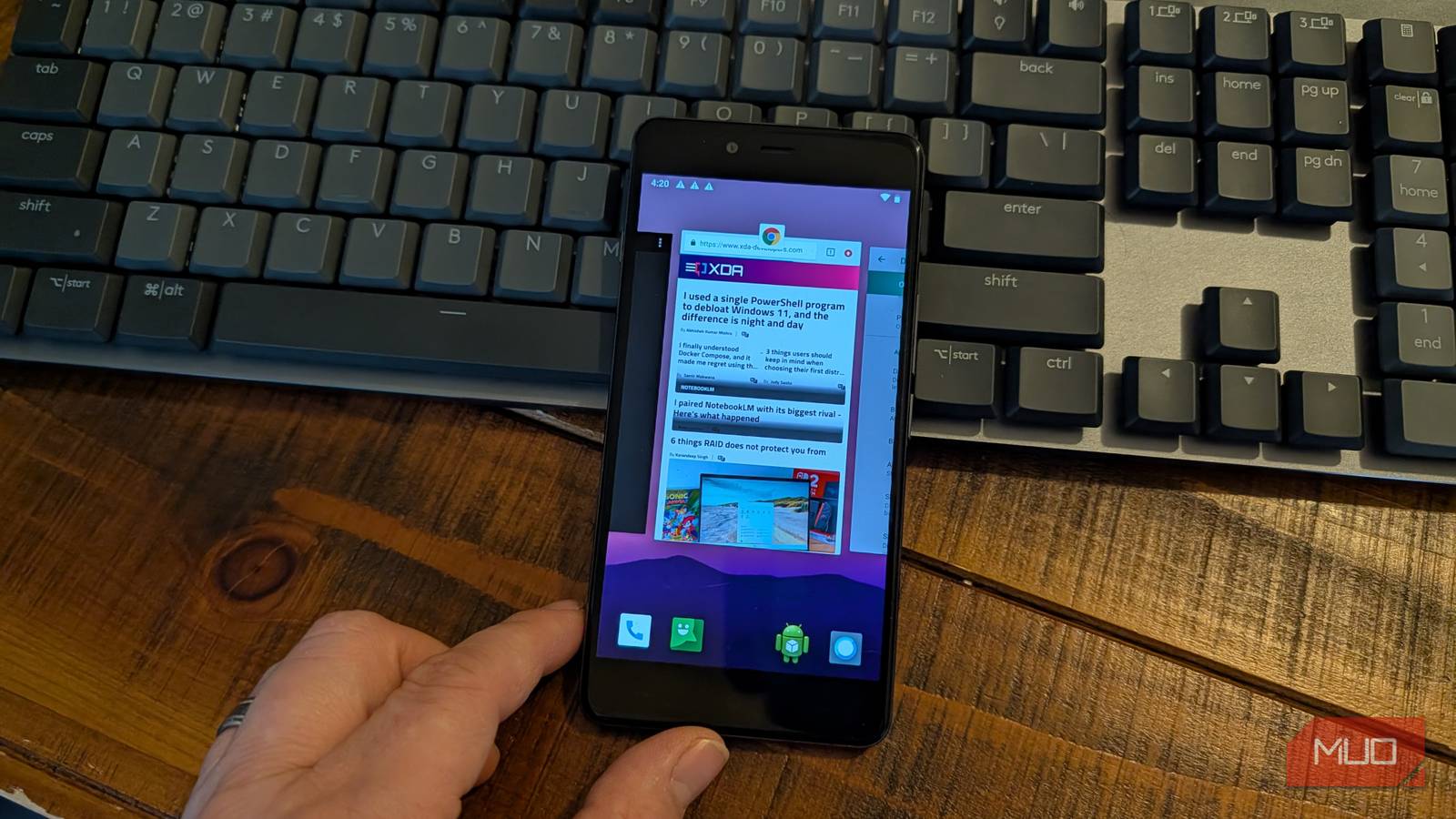
Android does a good job of allocating RAM, but only if you have enough. I recently dusted off my old OnePlus X, a lovely small phone that most people probably forgot about. It’s from the heyday of OnePlus, when the company experimented with form factors that also offered a light, fast software experience.
When it launched in 2015, the OnePlus X was just $249, and it had the specs to match: a Snapdragon 801 CPU and only 3GB of RAM.
Low RAM prevents Android from effectively balancing cached system files and standby apps. However, you can fix this via a hidden Developer Options setting that forces more aggressive RAM management. If your older device has less than 4GB of RAM, this simple tweak can significantly boost performance and keep the phone usable.
Understanding Background process limit
Force your phone to use RAM more wisely
Credit: Brandon Miniman / MakeUseOf
When your phone has little RAM left, which often happens on my OnePlus X, it has to choose which app to shut down to make room for the next one you want to open. This isn’t as much of a worry on modern phones, like the OnePlus 13 (which we reviewed).
By setting a background process limit, you’re telling your phone to only run between one and four processes at a time.
Also, older chipsets, like the Snapdragon 801 on my OnePlus X, are less efficient than newer processors. That means they might be running small tasks in the background (like syncing data or refreshing ads) even if you’re not using the app. This uses precious CPU cycles and can unnecessarily slow down the phone.
Lastly, when your phone runs out of RAM, it will start using swap space (as a PC does). This is when the system temporarily uses a part of your storage space as pretend RAM. That’s bad because storage, especially in older phones, is far slower than RAM. We want to keep RAM clear for apps by limiting background processes for older phones.
How to enable Background process limit
Credit: Brandon Miniman / MakeUseOf
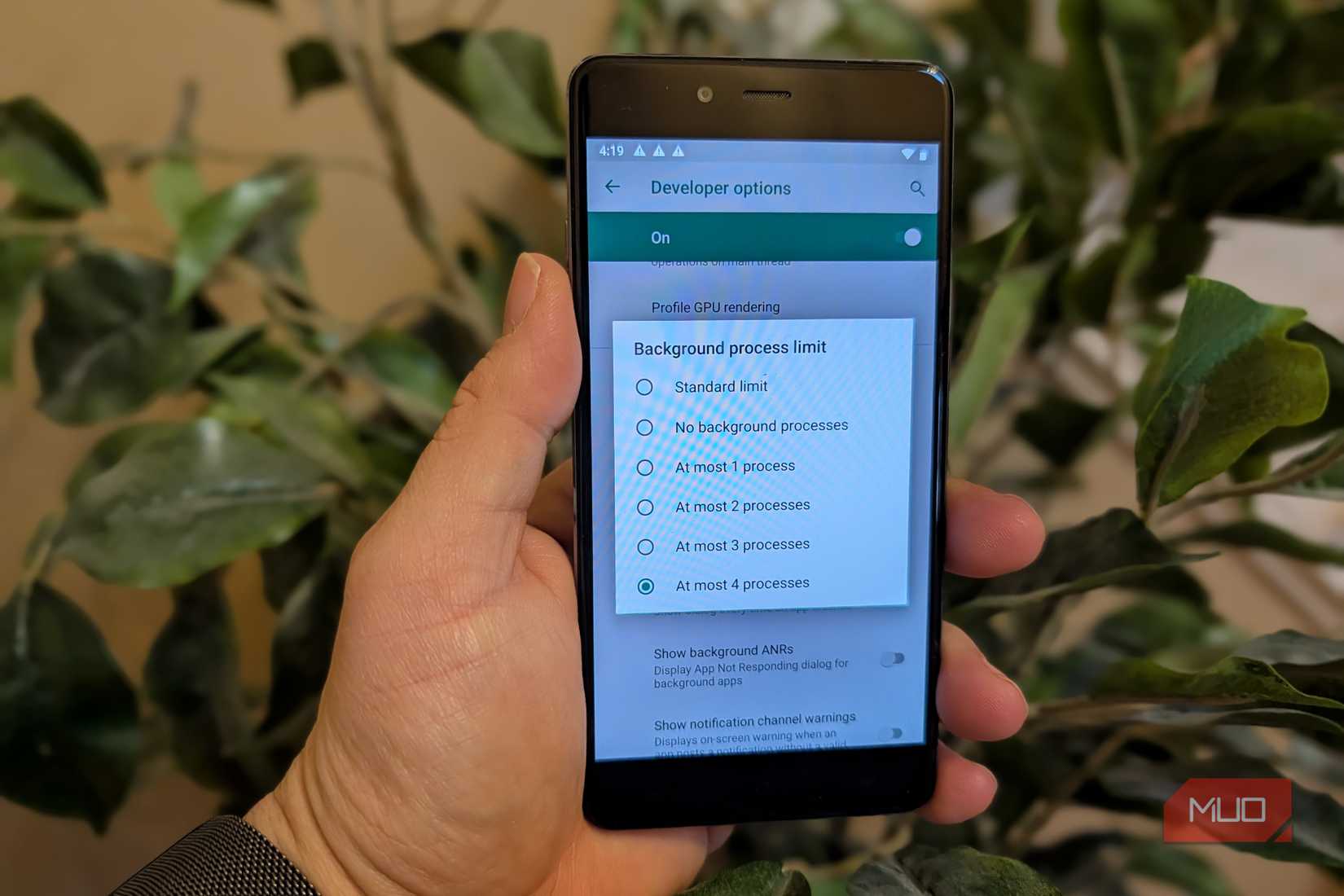
The Background process limit setting is in the Developer Options menu, which is hidden by default. Follow these steps to access it:
- Enable Developer Options by going to Settings > About. Tap Build Number several times until it says “You are now a developer.”
- Open the new Developer Options menu (usually in the System section), scroll down to the Apps section, and tap Background process limit.
What you should choose here depends on your device (you can easily find out how much RAM your phone has if you’re not sure):
- For phones with 2GB of RAM, pick two or three processes.
- For phones with 3GB of RAM, pick four processes.
- For phones with 4GB of RAM or more, don’t change any settings.
The downsides of this option
Some apps might misbehave
Credit: Brandon Miniman / MakeUseOf
There are downsides to making this change, especially if you regularly use more apps than the process limit allows. If you force the limit to three processes (for example) but have been using five apps recently, two of those apps will be kicked out of RAM. They’ll have to load from scratch when reopened, which uses a lot of CPU energy and is much slower than relaunching the app from RAM. This is why constantly force-closing your apps after use is a bad idea.
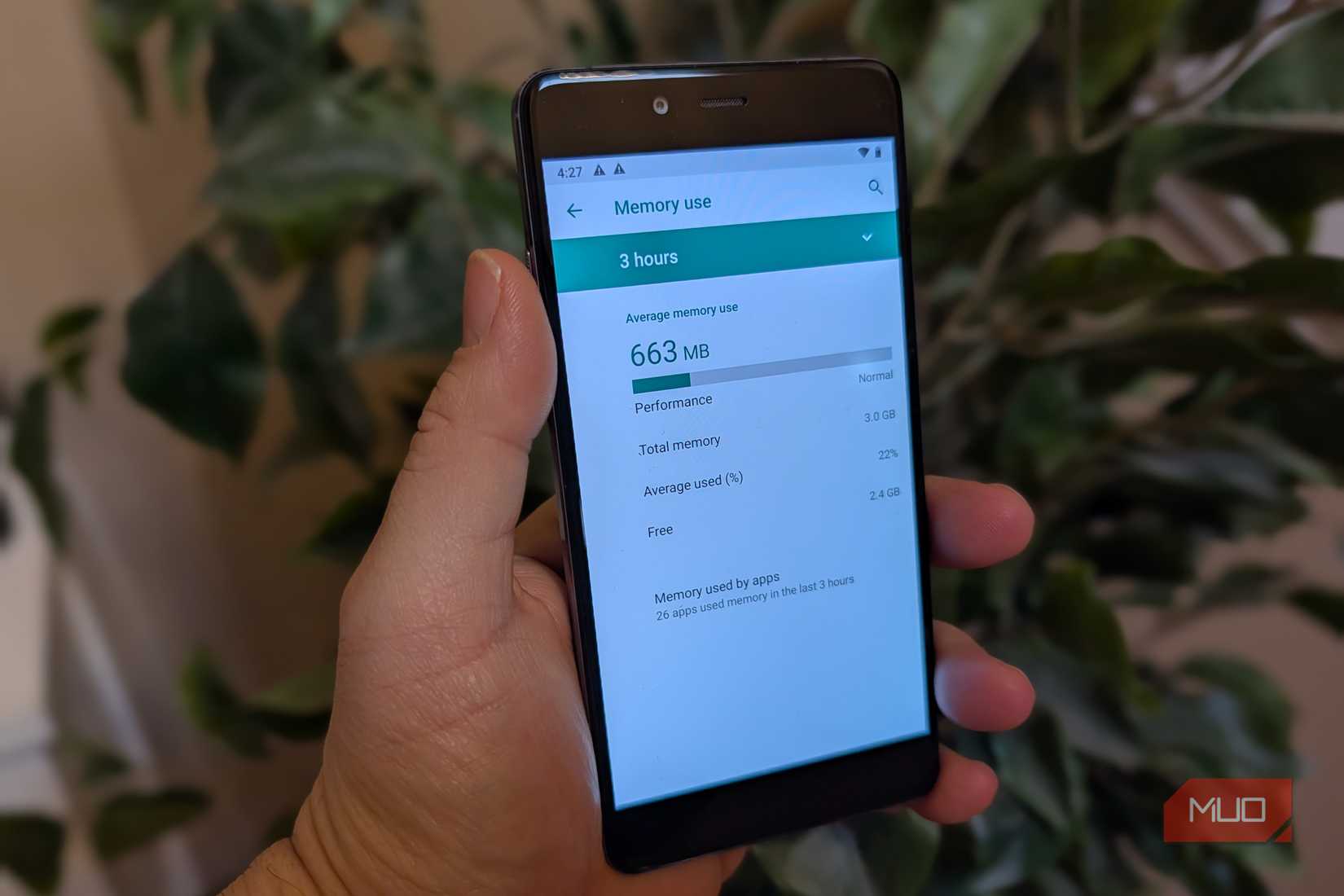
Not only that, but you might miss notifications from killed apps. So again, be thoughtful about how you use this setting and experiment to find the right balance. You can monitor exactly how much free RAM you have by going to the Memory section of Developer Options.
Another good option to help with RAM on older devices is to utilize the “Lite” version of certain apps. For example, you can use Facebook Lite, Instagram Lite, and TikTok Lite. There are even options like Opera Mini for low-RAM web browsing. Not only do these Lite apps use less RAM because they are less graphically intensive, but they also use less data. Not all apps offer them, but it’s worth a look for your favorites.
Related
My old Android was laggy until I toggled this setting
I thought I needed a new phone—this tweak saved it.
Other benefits: reduced battery and data usage
Older devices not only have less RAM, but also less efficient chipsets and modems. This typically means worse battery life across the board, compared to a modern phone doing the same tasks. By limiting background processes on an older phone, you prevent apps from hibernating and thus using battery and data even when you’re not using them — instead, they get shut down entirely. Letting apps work when you aren’t using them translates into worse performance and shorter battery life, which you really can’t afford on an old device like my OnePlus X.
One final note: I encourage you to experiment with different values for the background process limit to dial in the right number based on your usage. You might think you’re using four apps, but perhaps you’re actually using three. By setting the limit to three instead of four, the system will be much more aggressive at closing processes, so you can actually use RAM for what you need.