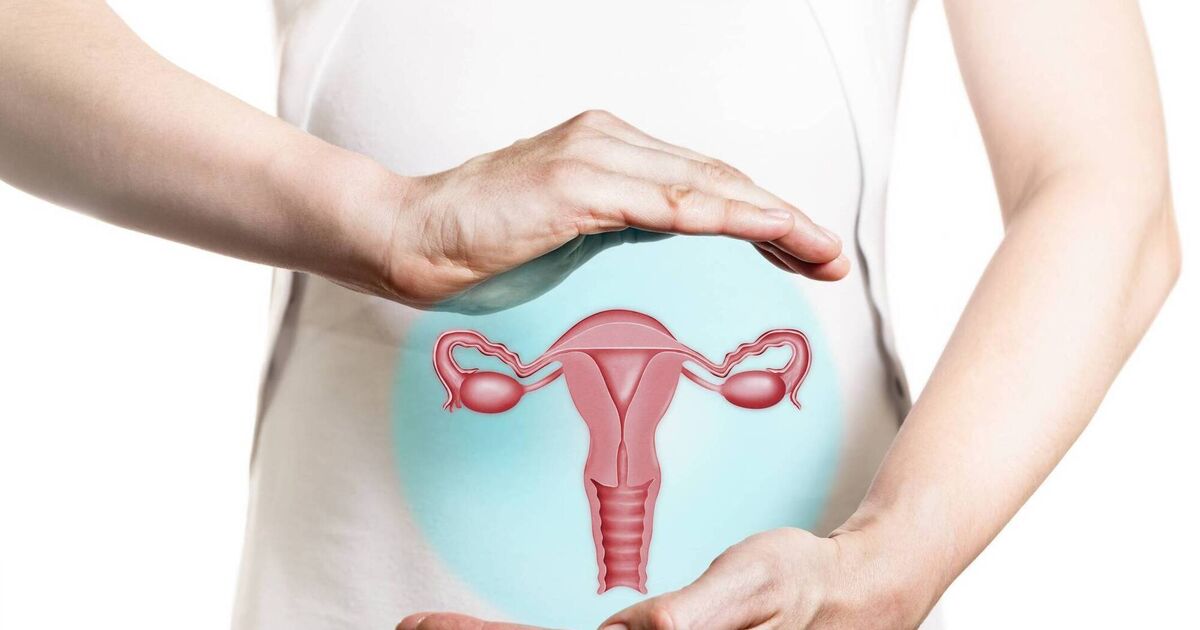
SOME 250 women are diagnosed with cervical cancer in Ireland annually. In 90% of those cases, the cancer is caused by the prolonged presence of the HPV virus in cervical cells.
Does this mean that you are more at risk of cancer if you get infected with HPV?
 Dr Nóirín Russell: ‘At least 80% of people are infected by HPV at some point.’ Picture: Darragh Kane
The HPV vaccination programme is key to achieving this goal.
 Marie Keating Foundation assistant director of nursing Bernie Carter: ‘Vital to get your symptoms checked.’
“If there aren’t any, the woman is advised to return for another screening in a year’s time to see if the HPV infection has cleared. If abnormalities are detected at any point, the woman is referred for a colposcopy, which involves a more detailed examination of the cervix and a possible biopsy of the cells. The results of this procedure determine the need for further treatment.”
If you or anyone you know experiences the following symptoms, Bernie Carter urges you to get them checked with your GP, regardless of whether or not you have recently attended a cervical screening:
1. Abnormal vaginal bleeding. This includes bleeding outside of your normal periods, during or after sex or after you have been through menopause.
2. Unusual discharge or vaginal spotting.
3. Pain or discomfort during sex.
4. Pain or discomfort anywhere between your belly button and the top of your thighs.
“These symptoms are very common and can be caused by many different conditions,” she says.
“Having them does not mean you have cervical cancer. But it’s important to get them checked because if they are caused by cancer, finding it early means treatment is more likely to be successful.”
- Cervical Cancer Prevention Week runs from January 19 to 25