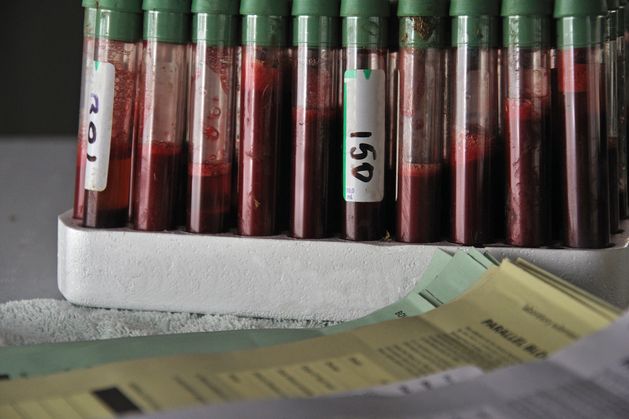
While live-animal detections slowed during 2022, the data from slaughterhouses told a different story
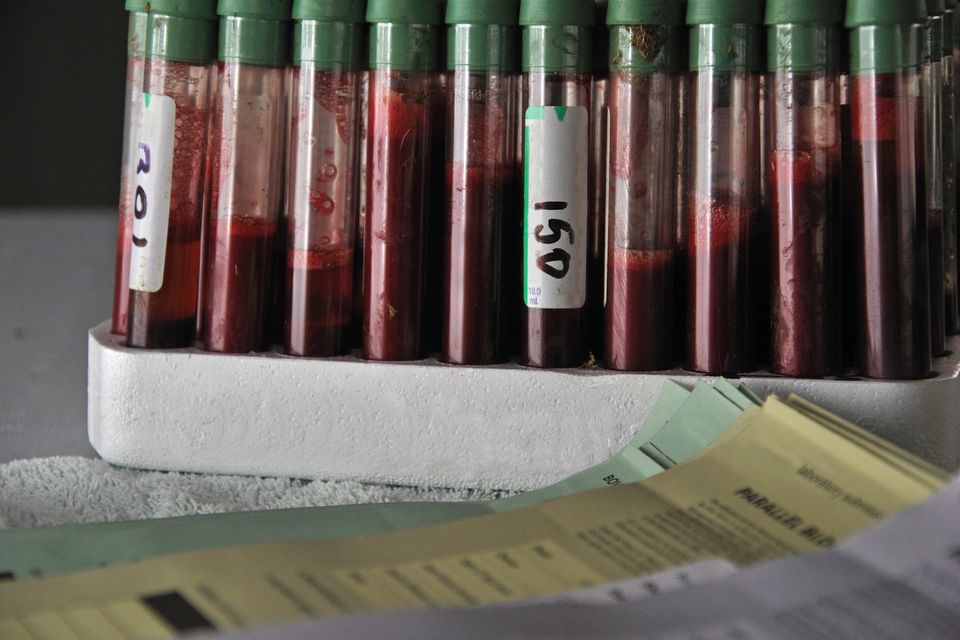
The authors said that reading and interpreting skin reactions in live animals is ‘much more subjective’ than identifying physical lesions at slaughter or using the interferon-gamma (IFN-y) blood test
New research has suggested that a temporary drop in live TB test sensitivity in 2022 could be linked to reduced inspections on vets during the pandemic. This may have allowed the disease to spread undetected.
It was among the findings of a study conducted by researchers from University College Dublin and the Department of Agriculture.