Expansion of the U.S. Space Force: A Strategic Imperative
Rapid Growth of Satellite Operations
Since its establishment in 2019, the U.S. Space Force has witnessed an extraordinary surge in operational capabilities, marked by a near doubling of the number of satellites under its jurisdiction. Specifically, the fleet has expanded from 225 to approximately 515 currently, underscoring the burgeoning complexity and demands placed on this youngest branch of the U.S. Armed Forces.
Personnel Needs and Future Objectives
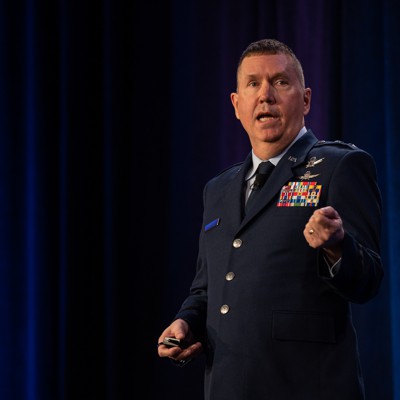
As of now, the Space Force comprises around 10,000 military personnel and an additional 5,000 civilians. Despite the ongoing recruitment of roughly 500 service members annually, the leadership is advocating for a more aggressive expansion strategy. General Shawn Bratton, the Vice Chief of Space Operations, articulated the necessity for an increase in personnel to about 1,000 recruits per year over the next decade.
Bratton emphasized the urgency behind this request:
- Operational Capacity: “We must enhance military strength to maintain operational readiness and effectiveness.”
- Future Planning: “With the projected growth of our satellite fleet, it’s imperative to ensure that we possess the requisite personnel and infrastructure.”
Financial Context and Budgetary Considerations
The Space Force’s budget has experienced significant growth, escalating from $15 billion in FY 2020 to an anticipated $39.9 billion by FY 2026. This budgetary increase includes provisions from supplemental funds aimed at bolstering national defense. However, Bratton reiterated that mere financial resources are insufficient; strategic personnel growth is essential to effectively utilize these assets.
Integration with Combatant Commands
An important focus for the Space Force is its integration with various combatant commands. Establishing dedicated Space Force components within commands such as U.S. Southern Command, Indo-Pacific Command, and European Command allows for a more synchronized approach in supporting warfighting operations.
Key developments in this domain include:
- Designation of Space Forces-Southern: This newly established unit enhances the strategic footprint of the Space Force in the Southern Hemisphere.
- Special Operations Collaboration: Plans exist to create a Space Force Special Operations component, though this has met with skepticism from Congress and defense analysts.
General Bratton commented on the collaborative efforts with the special operations community, noting that they have a solid understanding of what is required in terms of support and capability.
Addressing Cultural Divides
A notable challenge persists within the Space Force: the cultural divide between operational staff and acquisition specialists. This rift has drawn attention from both Congress and leadership within the service. Recognizing the need for cohesion, Bratton highlighted recent reforms aimed at integrating operational perspectives into acquisition processes as vital to future success:
- Training Enhancements: Initiatives are underway to ensure that operational personnel engage actively in the acquisition process.
- Operational Expertise: It is critical that those involved in procurement possess firsthand experience in operational contexts.
Bratton expressed optimism regarding these reforms, indicating that they serve as foundational steps toward a more integrated and effective service.
Ultimately, as the Space Force seeks to assert its role in the broader national defense landscape, the strategic imperatives laid out by its leadership will be instrumental in shaping its trajectory and operational effectiveness. The continued evolution of this service will not only enhance U.S. military capabilities in space but also reflect the increasing importance of space as a domain of national security.