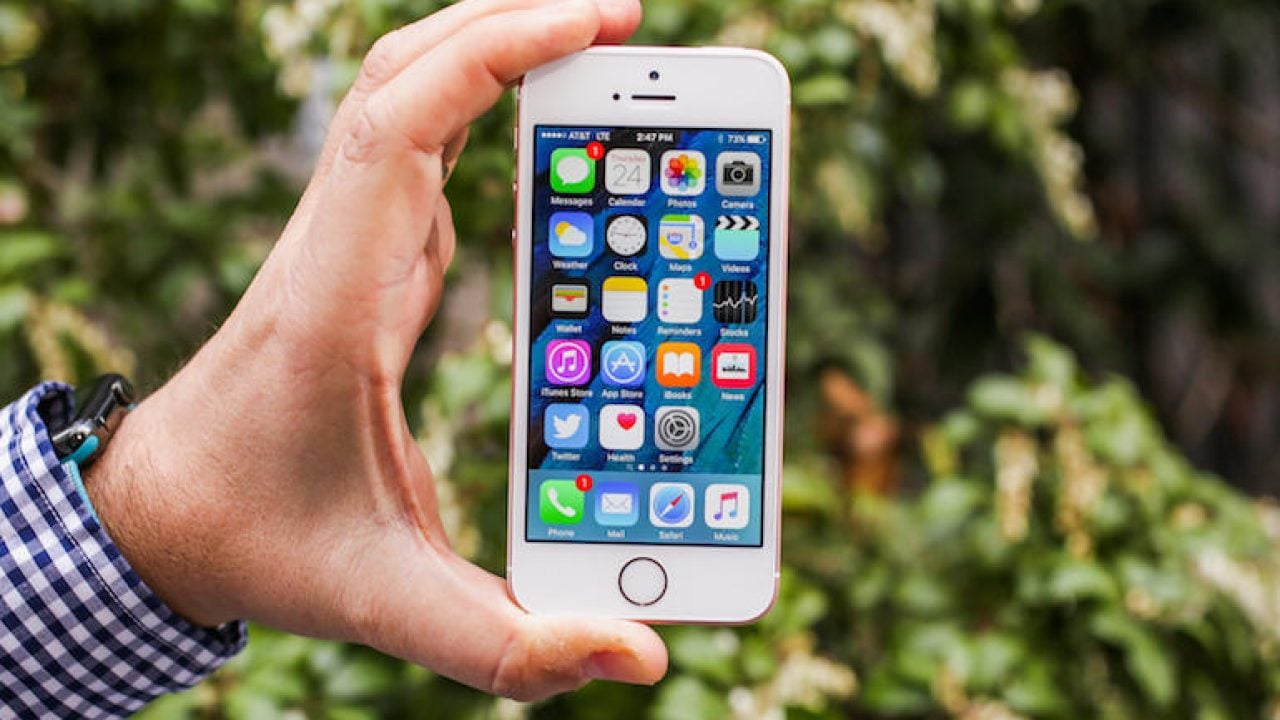
Apple has quietly released a new software update for its 13-year-old iPhones. The iPhone 5s and iPhone 6, released in 2013 and 2014, respectively, are receiving iOS 12.5.8 in 2026, more than a decade after they first went on sale.
By smartphone standards, that’s an exceptionally long lifespan. The iPhone 5s is now roughly 13 years old, while the iPhone 6 is about 12. Most phones from that era haven’t just stopped getting updates; many stopped functioning properly years ago due to expired services, broken apps, or outdated security components. Apple, at least for now, is keeping these devices operational.
What iOS 12.5.8 actually does
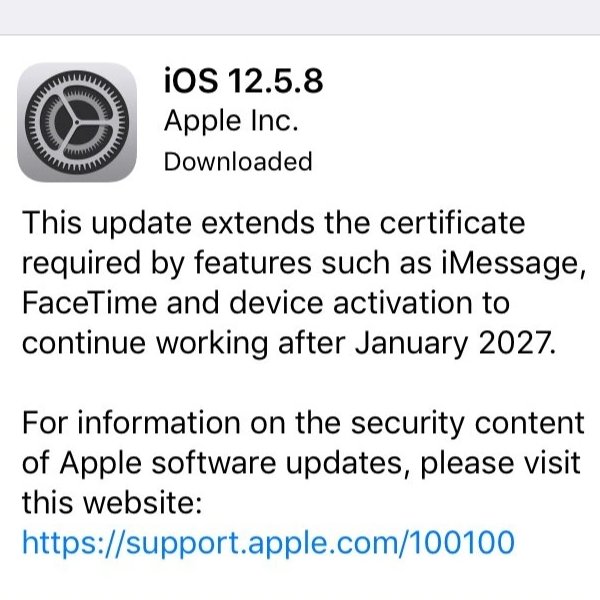
According to Apple’s changelog, iOS 12.5.8 mainly updates internal security certificates. These certificates are essential for basic system functions, including device activation and Apple’s core services like iMessage and FaceTime.
If users don’t install this update, those certificates will expire in January 2027. Once that happens, affected devices could face what is essentially functional paralysis. Users may be unable to activate the phone, send iMessages, or place FaceTime video calls. In other words, the phone might still turn on, but many of its core features would quietly stop working.
This makes the update less optional than it might appear at first glance. It’s not about performance improvements or bug fixes; it’s about preventing the phone from slowly becoming unusable.
The previous update for both the iPhone 5s and iPhone 6 arrived back in January 2023, and that one also focused on security fixes. Since then, these phones have largely been left alone, which is typical for hardware this old.
The iPhone 6s is included too
Apple didn’t stop with the 5s and 6. The iPhone 6s, released in 2015, also received an update simultaneously. The device is getting iOS 15.8.6, which includes the same type of certificate extensions.
Why this matters, even if you don’t own these phones
Very few people are using an iPhone 5s or iPhone 6 as their primary device in 2026. But Apple’s decision still says something about how the company views long-term device support.
Many older smartphones fail not because the hardware stops working, but because essential services quietly break. Certificates expire. Secure connections fail. App servers stop recognizing the device as valid. At that point, even a perfectly functioning phone becomes frustrating or useless.
By pushing out updates like iOS 12.5.8, Apple is preventing that slow decay, at least for a little longer.
For more daily updates, please visit our News Section.
Stay ahead in tech! Join our Telegram community and sign up for our daily newsletter of top stories.