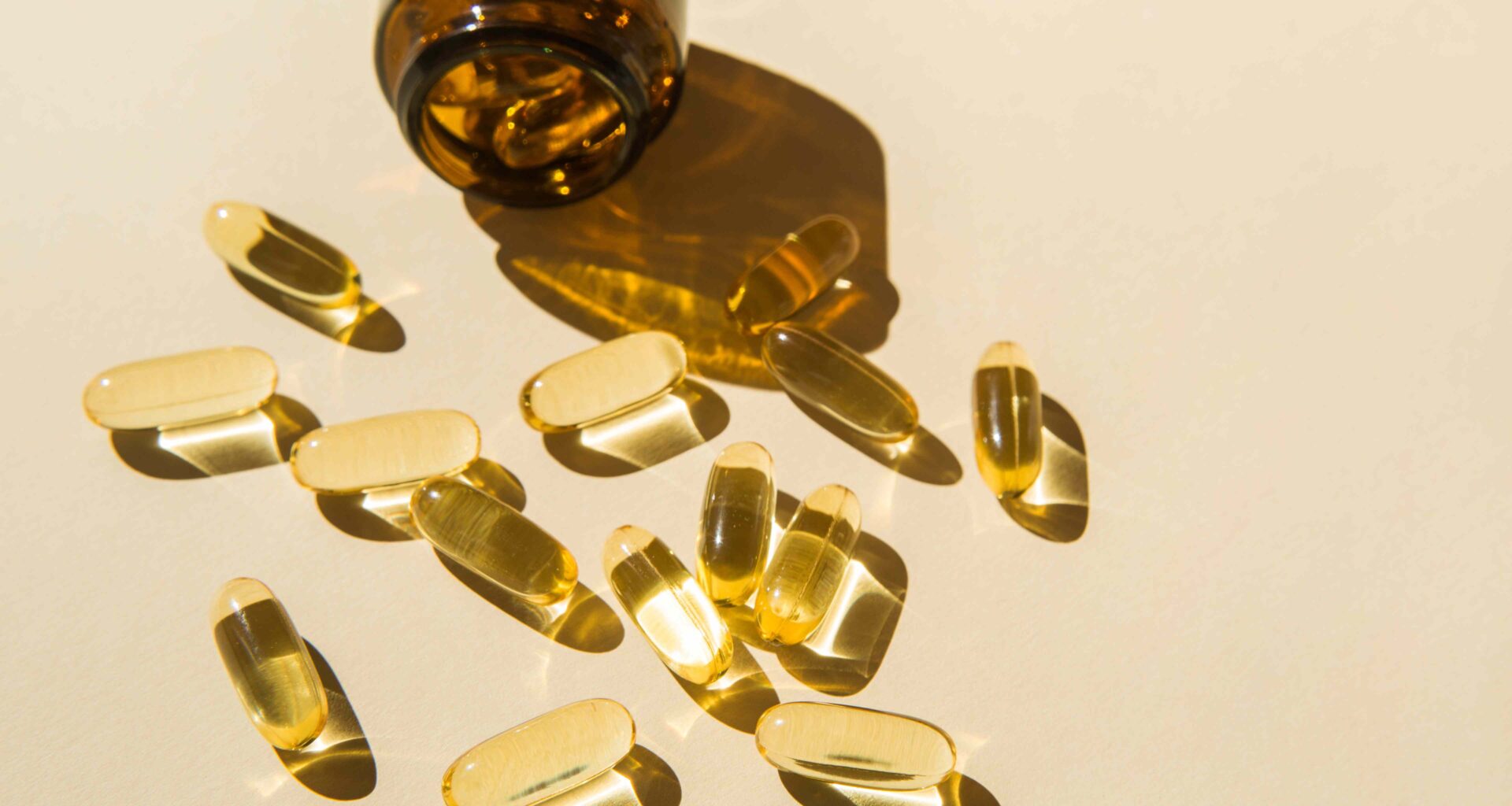
Vitamin D offers crucial benefits, such as supporting strong, healthy bones and enabling calcium absorption—but many people don’t get enough of it. Supplements can help fill the gap, but is there a best time to take vitamin D for optimal absorption? According to experts, what you pair vitamin D with matters more than timing.
There’s no evidence that vitamin D is absorbed better at certain times of the day, according to Victoria Maizes, MD, founding executive director of the Andrew Weil Center for Integrative Medicine at the University of Arizona.
Rather than timing, what’s more important is taking vitamin D with a meal that contains fat, she said. That’s because vitamin D is a fat-soluble vitamin, meaning it needs fat to dissolve and be stored in tissue.
While taking vitamin D with the largest meal of the day—the one likely to contain the most fat—is a good idea, pairing it with any amount of fat can help with absorption, said Jen Bianchini, MS, RD, IFNCP, functional nutritionist and founder at Body to Soul Health.
The type of fat you pair the supplement with doesn’t appear to matter—one study found no difference in vitamin D absorption when supplements were taken with both monounsaturated and polyunsaturated fats. Foods such as nuts, avocados, fish, or olive oil could all be good choices.
In addition to taking vitamin D with certain foods, dosage also plays a role in effectiveness. Not surprisingly, larger doses lead to greater absorption, Maizes said.
That said, it is possible to take too much vitamin D. Though rare, high doses taken over long periods can cause vitamin D toxicity, which can lead to symptoms like nausea, vomiting, frequent urination, bone pain, low appetite, and fatigue. To avoid this, Maizes recommends not exceeding 4,000 International Units (IU) per day unless advised by a doctor.
Choosing the right form of the vitamin is another major consideration. “Vitamin D3 requires less conversion than D2 and is more effective at raising blood levels, so Vitamin D3 is usually recommended,” said Bianchini. In fact, according to 2022 research, vitamin D3 injections were twice as effective as D2 when used alone and three times more effective when combined with an oral tablet.
The Recommended Dietary Allowance (RDA) for vitamin D is 600 IU per day for adults under 70, which increases to 800 IU for those over 70. Many people have difficulty reaching these targets because vitamin D is found in only a limited number of foods, such as oily fish and eggs, and often in small amounts. You can also get vitamin D through ultraviolet rays, but you need about 10 to 20 minutes of direct sunlight (without sunscreen) per day to get the required amount, Bianchini said.
Because it can be challenging to obtain sufficient vitamin D, Bianchini believes many people may benefit from supplementation. Certain groups—such as those who live at northern latitudes, have darker skin pigmentation, or spend little time in the sun—may be particularly good candidates, according to Maizes. Weight status is another risk factor for low vitamin D levels. “Obese adults are less able to produce vitamin D through sun exposure,” Maizes explained.
If you’re deficient in vitamin D, you may experience symptoms like muscle pain or weakness, bone pain, and tingling in the hands and feet. However, a blood test is the best way to know if you’re lacking the nutrient. With regular testing, your healthcare team can help you determine whether a supplement is right for you.