Competition
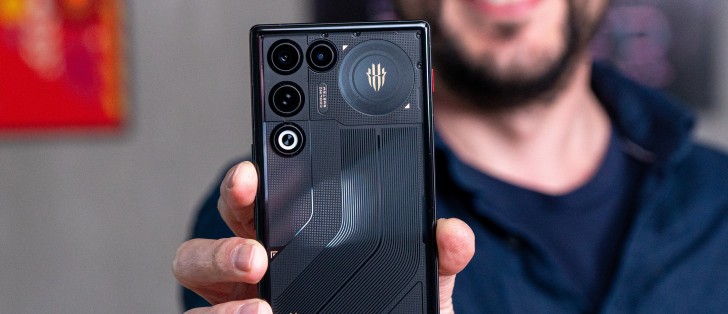
You can easily put the RedMagic 11 Air in its own category. There aren’t many gaming-centric smartphones on the market right now, let alone slim gaming handsets. Additionally, one of the key selling points of the 11 Air is its price. Sure, it runs on last year’s flagship chipset, but it’s still a steal for €499/$529/£439. That gets you the 12GB/256GB version, and the early bird discount slashes an extra 30 bucks off.
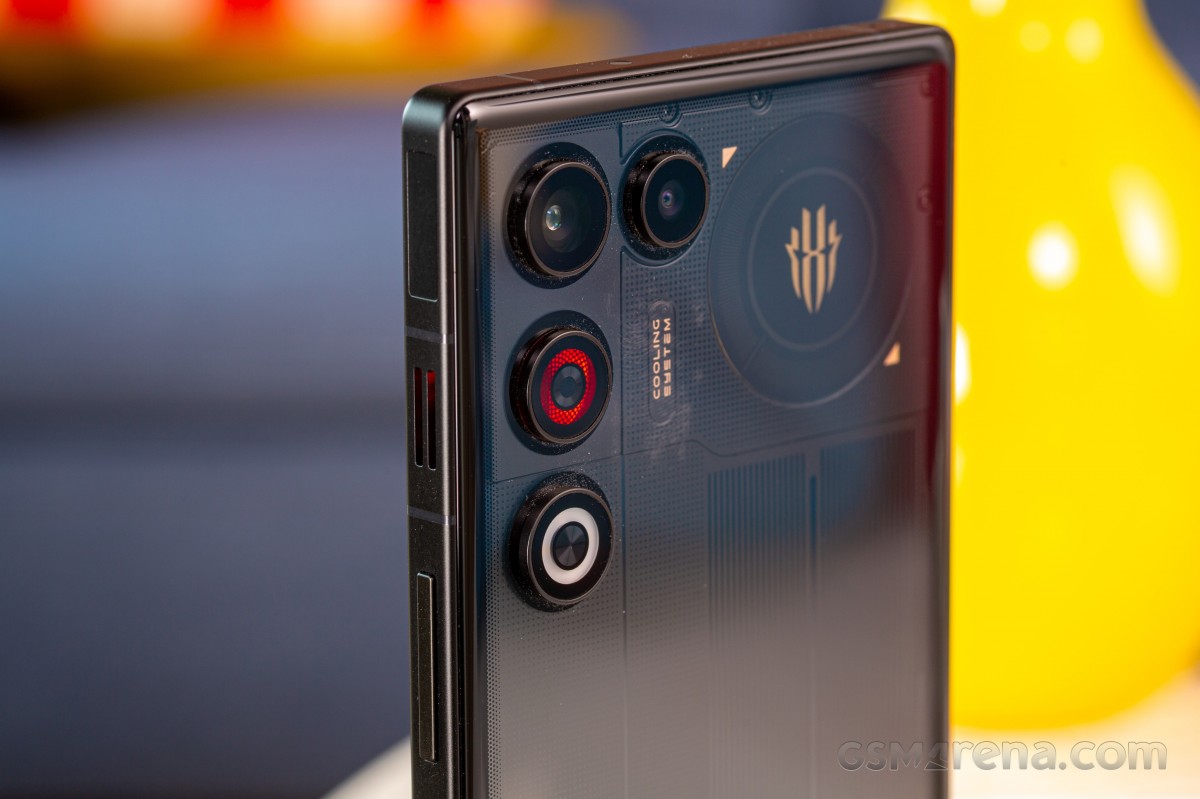
Still, there are a handful of options to consider if budget isn’t an issue. For instance, the rather dated Asus ROG Phone 9 series is a solid gaming-oriented alternative, but it’s probably hard to come by these days as it’s a 2024 model. Asus doesn’t seem to have any plans to update the series either.




Asus ROG Phone 9 • Asus ROG Phone 9 Pro • OnePlus 15 • vivo iQOO 15 • ZTE nubia RedMagic 11 Pro
The OnePlus 15 and iQOO 15 are both considerably more expensive options and not strictly gaming-oriented. They do support some gaming-specific features, though, like high-refresh-rate gaming, especially the OnePlus 15, which handles more titles at 120-165Hz. But neither has the RedMagic 11 Air’s shoulder triggers or obstruction-less, full-screen experience. They are more like regular phones with a gaming twist. That also means the OnePlus and the iQOO can take really nice pictures and videos. Something the RedMagic 11 Air can’t really do.
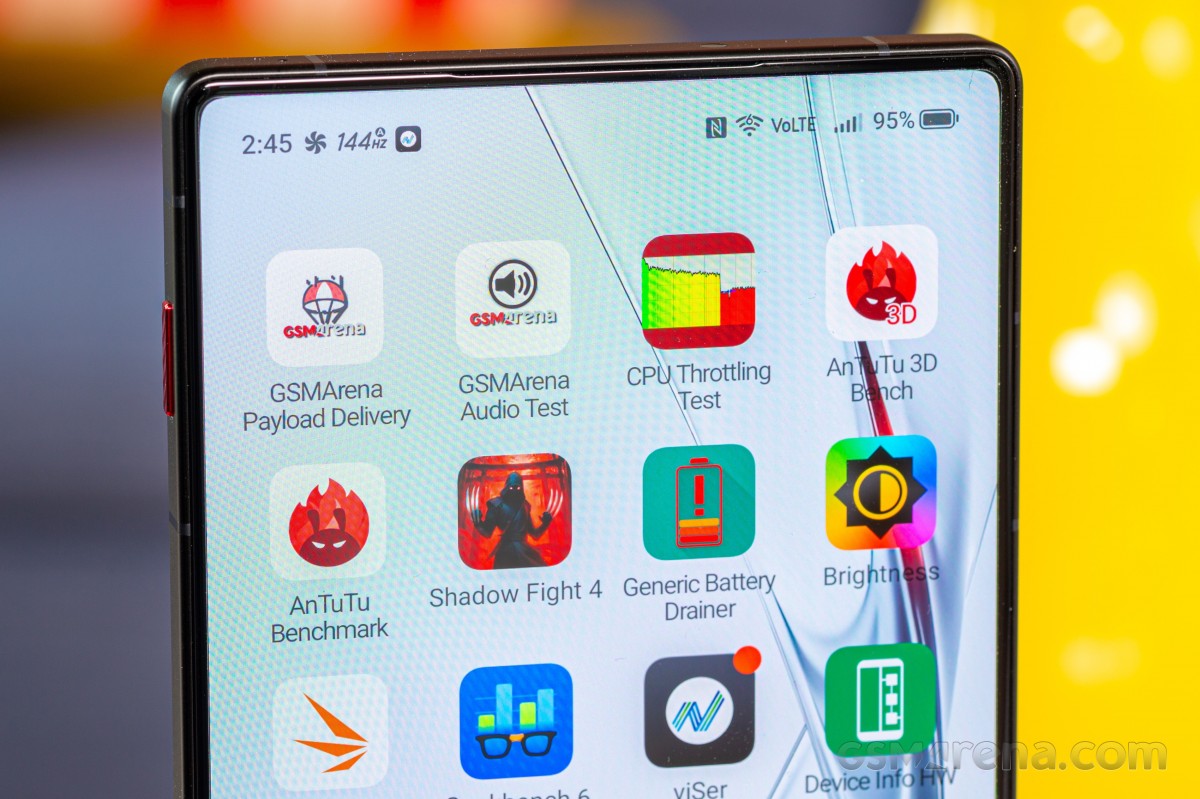
And in case you are in the market for a gaming phone in particular, why not go the extra mile and snatch the RedMagic 11 Pro? It gives you a bigger battery, arguably better cameras and the newest chipset. Also, the cooling system seems to do a better job, at least for external temperatures and handles the Snapdragon 8 Elite Gen 5 a bit better.
Verdict
In all fairness, the RedMagic 11 Air is sort of unique, or at least the segment it targets is. It’s a slim gaming phone with some hard-to-come-by gaming features. It can also be a good fit for Android enthusiasts who are looking for a flagship-level performance device with solid battery life at half the price of a flagship phone.
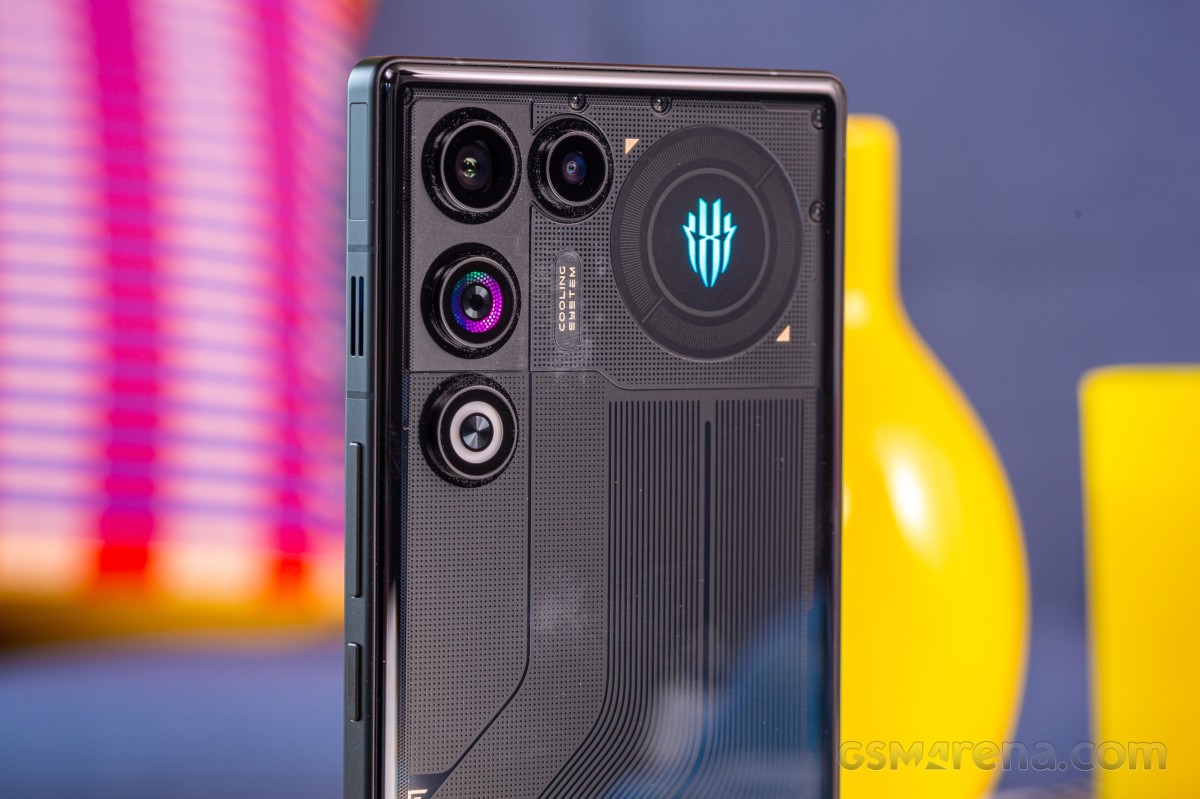
In whichever user category you fall into, you will have to deal with a lackluster camera experience and a bit awkward translations across the OS, but these may not be deal breakers depending on where your priorities lie.
Pros
- Cool-looking design, relatively slim.
- Large and fast 144Hz OLED panel, the UD selfie camera is inconspicuous.
- Long battery life, fast charging.
- Exceptional price/performance ratio.
- Plenty of gaming-oriented features, including pressure-sensitive shoulder triggers.
- Flexible and well-executed external display and peripherals gaming experience.
Cons
- Basic HDR video playback support only.
- The software is still plagued by awkward English translations from Chinese.
- The speakers’ sound quality could still use some improvement.
- Camera experience is unimpressive.
- No eSIM support.
- The cooling fan feels like a gimmick, sustained performance is unimpressive.