The use of GLP-1 weight loss medications is skyrocketing in the United States, more than doubling since 2024. But doctors warn there can be mental health side effects for some patients. And not from the drugs themselves. “It’s probably the biggest thing that’s happened in my life for me,” said Meredith Chambers, a GLP-1 patient. “It has changed me from the inside out.”Chambers has lost 120 pounds on the popular medications. That success came after a lifetime of trying to shed those pounds. “Just a struggle from the get-go, all the way through school. every diet. You name it,” she said. “Up, down, gained the weight, lost the weight, gained the weight, lost the weight.”But as thrilled as she was at finally seeing results, she said it didn’t come without its challenges. “‘Are you sick?’ That would be their first question,” she said of the comments from people who noticed her weight loss. “Or they would say things like, ‘Well, if you just ate right, you could get off the medicine.'”Chambers said she knows people weren’t being deliberately cruel. “When people say, ‘Wow, you look so good now,’ the intent is so nice and kind, right? But to me, I hear ‘you didn’t look good before,'” she said. As the co-director of the Center for Weight Management at Brigham and Women’s Hospital, Dr. Caroline Apovian has seen the impact GLP-1s like Wegovy and Zepbound can have for her patients. That includes decreased risk of heart attack and stroke, alleviated sleep apnea and reduced joint pain. But she’s also seen less positive results. “The not-so-great effects have to do with the stigma we haven’t quite gotten over,” Apovian said. “You can’t just tell somebody, you know, ‘why don’t you control yourself? Why don’t you just eat less and exercise more? Why are you eating that? Why are you drinking that?’ That’s the stigma underlying everything.”Apovian said the challenge is that weight loss happens so publicly. “The problem with obesity, you can see it,” she said. “You can’t really see if you have hypertension, high blood pressure or if you have diabetes. That’s why the judgment comes out because you can see it.”She worries that stigma will scare people who need these drugs from getting the help they need to battle the disease of obesity. “These drugs can help you lose 16% to 22% of your body weight,” Apovian said. “I have patients who are on GLP-1s come in and tell me, ‘Doctor, this has changed my life.'” That’s certainly true for Meredith Chambers. And she has a message for anyone who is tempted to comment on another person’s weight loss.”Just be careful of your words because, really, it can be devastating for the person hearing them,” she said. “People always have their own thoughts. But just keep those in and just be kind.”
BOSTON —
The use of GLP-1 weight loss medications is skyrocketing in the United States, more than doubling since 2024. But doctors warn there can be mental health side effects for some patients. And not from the drugs themselves.
“It’s probably the biggest thing that’s happened in my life for me,” said Meredith Chambers, a GLP-1 patient. “It has changed me from the inside out.”
Chambers has lost 120 pounds on the popular medications. That success came after a lifetime of trying to shed those pounds.
“Just a struggle from the get-go, all the way through school. [I tried] every diet. You name it,” she said. “Up, down, gained the weight, lost the weight, gained the weight, lost the weight.”
But as thrilled as she was at finally seeing results, she said it didn’t come without its challenges.
“‘Are you sick?’ That would be their first question,” she said of the comments from people who noticed her weight loss. “Or they would say things like, ‘Well, if you just ate right, you could get off the medicine.'”
Chambers said she knows people weren’t being deliberately cruel.
“When people say, ‘Wow, you look so good now,’ the intent is so nice and kind, right? But to me, I hear ‘you didn’t look good before,'” she said.
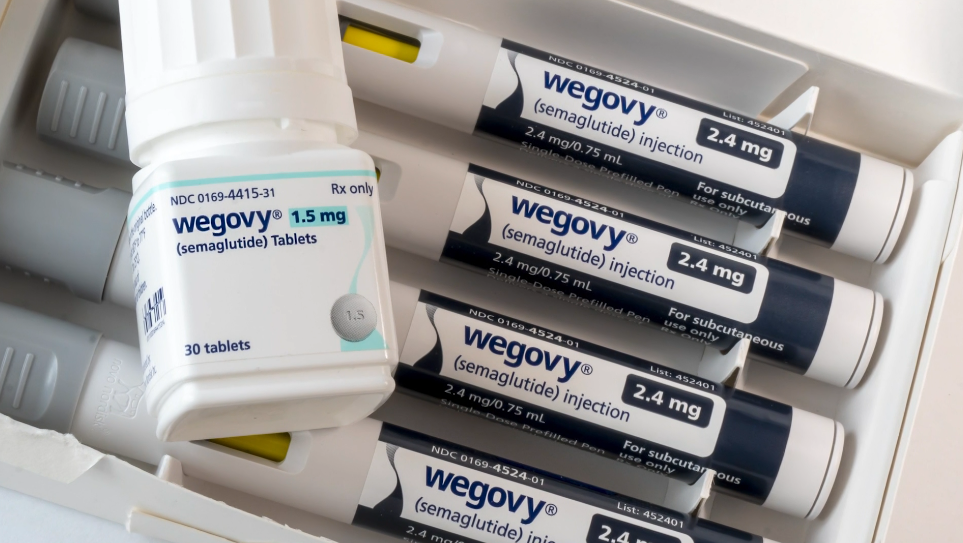
As the co-director of the Center for Weight Management at Brigham and Women’s Hospital, Dr. Caroline Apovian has seen the impact GLP-1s like Wegovy and Zepbound can have for her patients.
That includes decreased risk of heart attack and stroke, alleviated sleep apnea and reduced joint pain. But she’s also seen less positive results.
“The not-so-great effects have to do with the stigma we haven’t quite gotten over,” Apovian said. “You can’t just tell somebody, you know, ‘why don’t you control yourself? Why don’t you just eat less and exercise more? Why are you eating that? Why are you drinking that?’ That’s the stigma underlying everything.”
Apovian said the challenge is that weight loss happens so publicly.
“The problem with obesity, you can see it,” she said. “You can’t really see if you have hypertension, high blood pressure or if you have diabetes. That’s why the judgment comes out because you can see it.”
She worries that stigma will scare people who need these drugs from getting the help they need to battle the disease of obesity.
“These drugs can help you lose 16% to 22% of your body weight,” Apovian said. “I have patients who are on GLP-1s come in and tell me, ‘Doctor, this has changed my life.'”
That’s certainly true for Meredith Chambers. And she has a message for anyone who is tempted to comment on another person’s weight loss.
“Just be careful of your words because, really, it can be devastating for the person hearing them,” she said. “People always have their own thoughts. But just keep those in and just be kind.”