Home » SUSTAINABLE TRAVEL » Vietnam’s Tourism Recovery and Global Recognition Set the Stage for a Transformative 2026, with Bold Targets for International Arrivals and Sustainable Growth
Published on
February 3, 2026
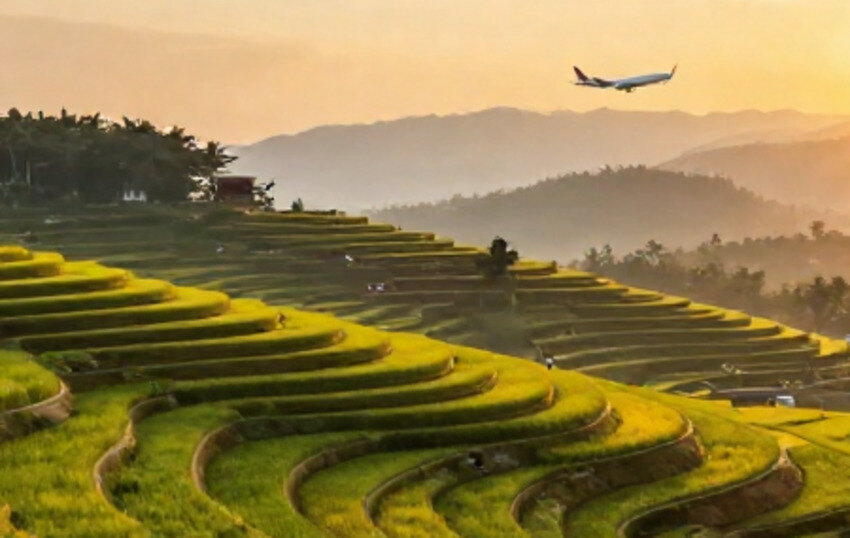
Vietnam’s tourism industry has experienced a phenomenal revival, emerging from the pandemic stronger than ever. With its focus now shifting towards quality services, infrastructure enhancement, and attracting higher-value tourists, the country is positioning itself as a premier global destination. This new phase of growth was discussed extensively at the ASEAN Tourism Forum (ATF) 2026 and TRAVEX in Cebu, where the Vietnam National Authority of Tourism (VNAT) unveiled its ongoing efforts and ambitious targets for 2026.
Record-Breaking Recovery: 2023 and Beyond
Vietnam’s tourism sector saw a robust rebound in 2023, surpassing pre-pandemic levels. With over 21 million international visitors and nearly 140 million domestic tourists, the country demonstrated its resilience. Tourism revenue reached over USD 39 billion, contributing significantly to the nation’s economy and accounting for more than 25% of service exports. These figures not only marked Vietnam’s recovery but also set the stage for future growth.
Looking forward, Vietnam aims to achieve 25 million international arrivals and 150 million domestic tourists by 2026. With strong foundations in place, the country is primed to sustain this upward trajectory.
Global Accolades: Cementing Vietnam’s Tourism Identity
Vietnam’s remarkable tourism recovery has been further bolstered by global recognition. The country’s outstanding achievements were honored in 2023 with multiple prestigious awards, including:
- World’s Leading Heritage Destination
- World’s Best Green Destination
- Asia’s Leading Culture Destination
- Asia’s Leading National Tourism Board
These accolades have helped position Vietnam as a top tourism destination, enhancing its profile across key global markets. Recognition has not been limited to the country’s tourism board, as Vietnamese airlines, hotels, and resorts also gained international acclaim, contributing to the country’s increasing prominence in the global tourism arena.
A Spectrum of Tourism Experiences: From Heritage to Adventure
Vietnam’s tourism appeal is as diverse as its offerings. With a rich cultural heritage, breathtaking natural landscapes, and vibrant culinary experiences, the country provides something for every type of traveler.
Advertisement
Advertisement
Cultural Heritage: A Tapestry of History and Tradition
Vietnam is home to numerous UNESCO World Heritage Sites that draw cultural tourists seeking a deep connection with the country’s history. Sites like the Ancient Town of Hoi An and the Complex of Hué Monuments offer glimpses into Vietnam’s rich cultural past. The country’s cultural offerings also extend to vibrant ethnic communities, traditional festivals, and UNESCO-recognized intangible heritage. Vietnam’s diverse cultural identity ensures that it is a must-visit destination for history enthusiasts.
Nature and Adventure: Vietnam’s Untamed Beauty
Vietnam’s natural landscapes are a key draw for tourists. From the pristine beaches of Phu Quoc to the dramatic mountain landscapes of Sapa and the Mekong River Delta, the country offers vast and varied terrains. One of its most renowned attractions is the world’s largest cave system, Son Doong Cave, which continues to captivate adventurers and ecotourism enthusiasts. Vietnam’s adventure tourism opportunities, including trekking, motorbiking, diving, and camping, offer a thrilling escape for those seeking an active holiday.
Gastronomy: A Feast for the Senses
Vietnamese cuisine is a major pillar of the country’s tourism strategy. Known for its delicate balance of flavors, Vietnamese food has garnered international acclaim, especially for its signature dishes like pho, banh mi, and fresh spring rolls. The rise of Michelin-starred restaurants alongside a strong street food culture has made Vietnamese food an essential part of the travel experience for food lovers from around the world.
Wellness and Urban Experiences
Vietnam’s wellness tourism sector is flourishing, with both traditional spa treatments and modern wellness retreats gaining popularity. Major cities like Hanoi, Ho Chi Minh City, and Da Nang offer a perfect blend of relaxation and urban excitement. From vibrant nightlife and bustling markets to cultural attractions and wellness facilities, these cities are becoming key destinations for tourists seeking both rejuvenation and adventure.
Expanding Luxury, Golf, and MICE Tourism
Vietnam’s luxury tourism sector is undergoing rapid growth. With more than 100 golf courses currently in operation, many designed by internationally recognized architects, the country is becoming a leading golf tourism destination. The MICE (Meetings, Incentives, Conferences, and Exhibitions) tourism market is also flourishing, with state-of-the-art conference facilities and high-end hotels in cities like Hanoi, Da Nang, Phu Quoc, and Nha Trang. These developments are positioning Vietnam as a premier destination for corporate and incentive travel.
Infrastructure Growth: The Backbone of Tourism Success
To support its tourism ambitions, Vietnam has invested heavily in infrastructure development. Key infrastructure upgrades include:
- Expanding national road and rail networks
- Introducing luxury railway tourism options
- Construction of Long Thanh International Airport near Ho Chi Minh City
- Expansion of Phu Quoc Airport
- Development of new airports near Hanoi
- Nationwide expansion of high-speed expressway corridors
These upgrades are vital for improving accessibility and ensuring a seamless experience for tourists. As these projects come to fruition, they will play a crucial role in maintaining Vietnam’s competitive edge in the global tourism market.
The “Visit Vietnam 2026” Initiative: Highlighting Emerging Regions
The Visit Vietnam 2026 initiative aims to promote Vietnam’s less-explored destinations, particularly in the Central Highlands and Central Coast. Provinces such as Gia Lai will be featured prominently in upcoming campaigns, showcasing their rich cultural heritage, unique landscapes, and local events, including coffee festivals and international water sports competitions. This initiative will help divert tourism flow to these emerging regions, ensuring a more balanced distribution of tourism-related benefits across the country.
Vietnam’s Vision for 2026 and Beyond
Vietnam’s tourism sector is on a strong growth trajectory, with clear strategies in place for 2026. The focus on sustainable tourism, infrastructure development, and high-value markets will help the country continue its success story. As international demand remains high, Vietnam is well-positioned to become one of Asia’s most sought-after destinations, offering diverse experiences that cater to a wide range of travelers.
In the years to come, Vietnam’s commitment to high-quality service, sustainable growth, and accessible, culturally rich experiences will ensure its place as a leading destination on the global tourism map.
