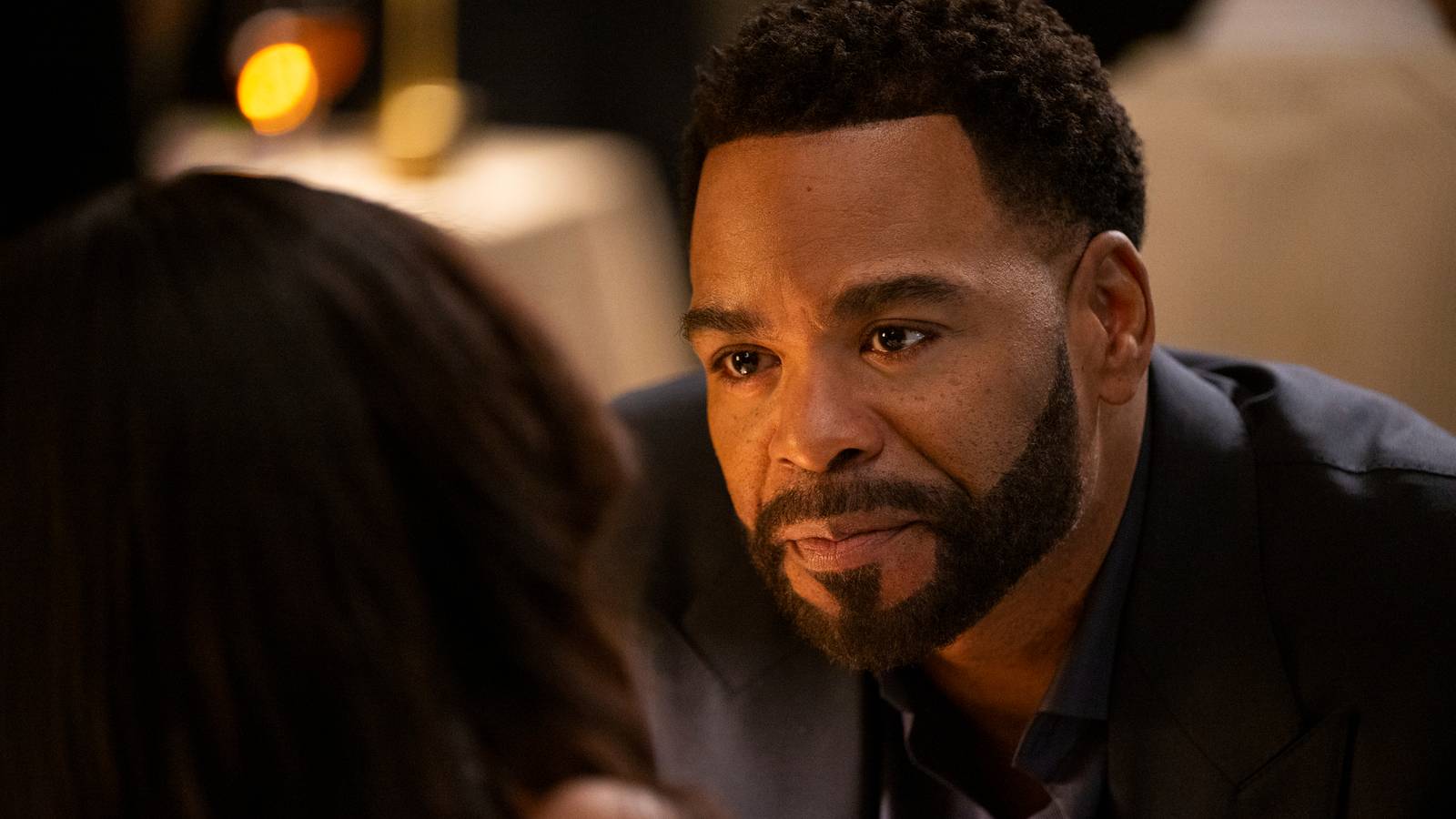
Born Clifford Smith Jr., rapper Method Man was one of only two members of Wu-Tang Clan to perform a solo song on the group’s iconic debut album, Enter the Wu-Tang (36 Chambers). Shortly after launching his thriving music career, he began acting, first in small parts and supporting roles, and quickly developed an alternate path — one equally successful — through the entertainment industry.
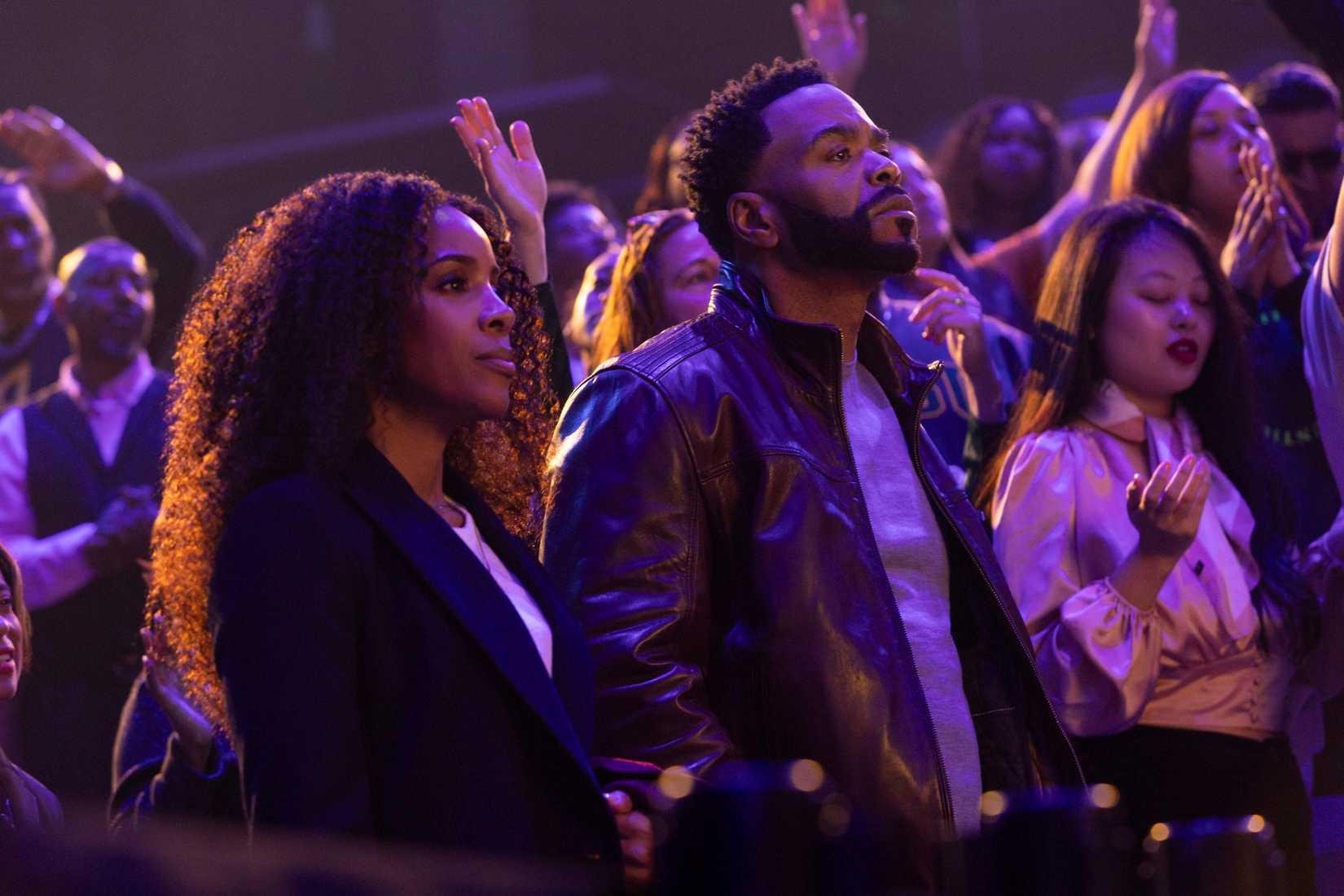
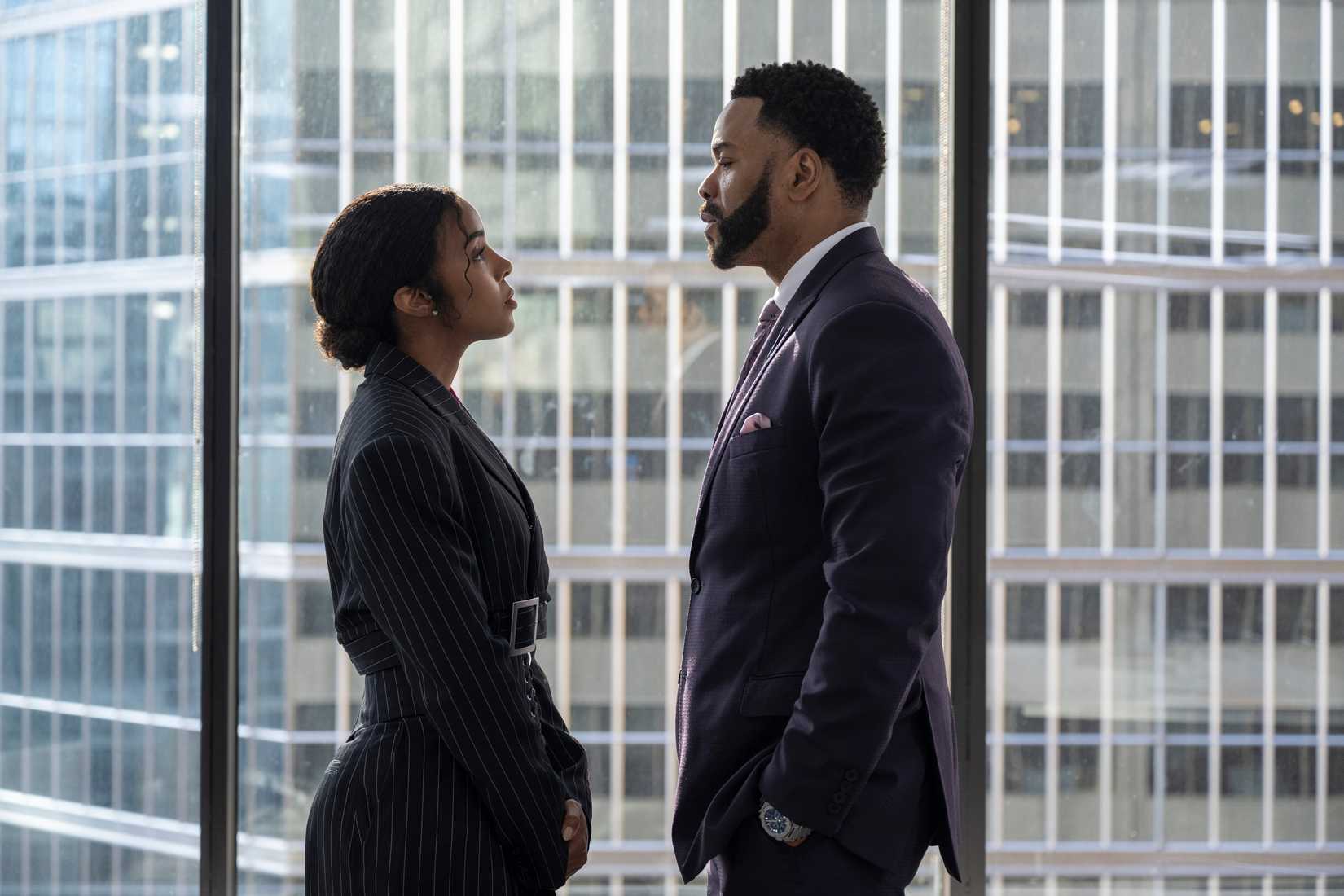
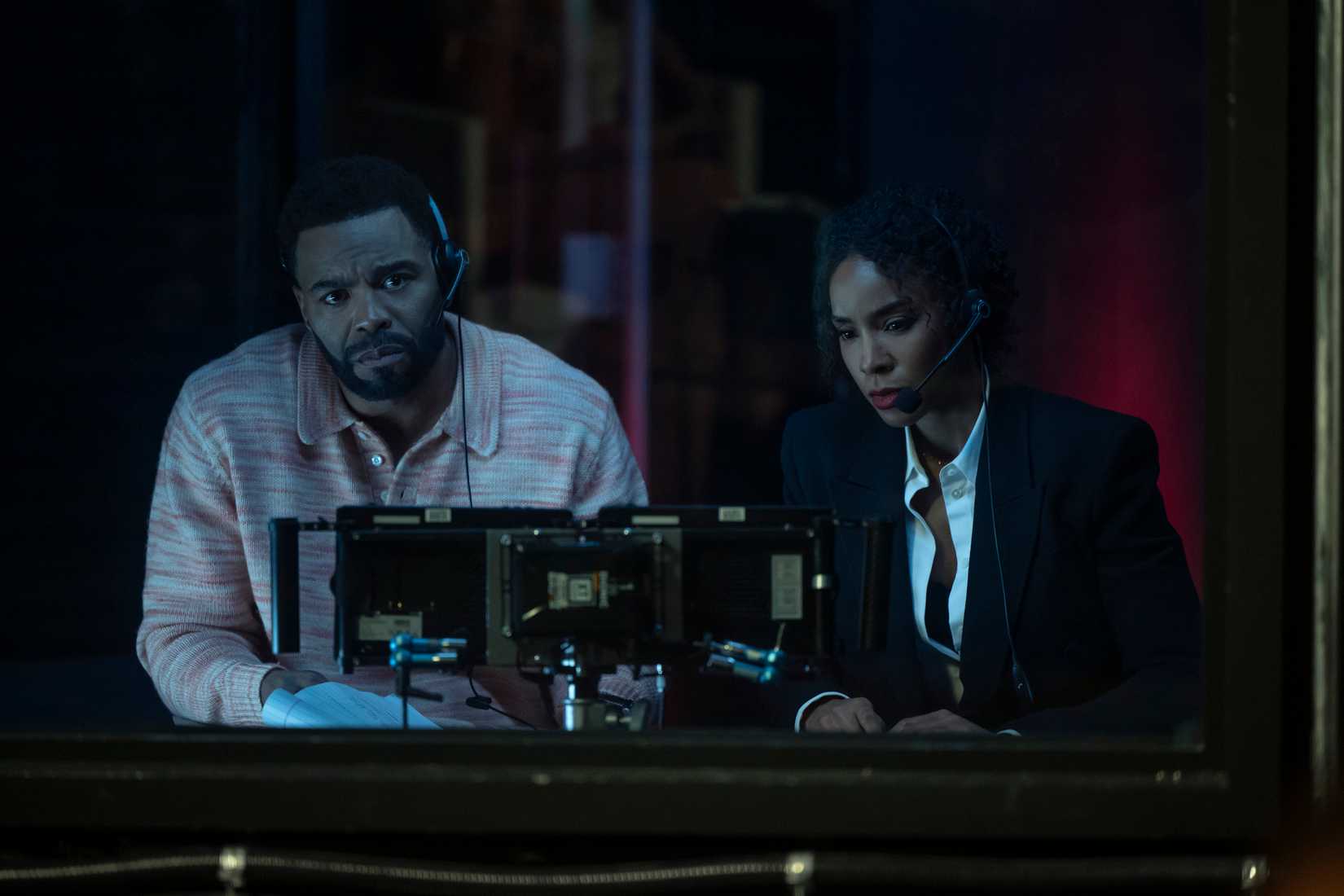
30 years after his first role in the comedy The Great White Hype, Smith is enjoying one of his highest-profile acting challenges to date. In Relationship Goals, based on the eponymous self-help book by Pastor Michael Todd, he plays Jarrett Roy, an ambitious television producer competing for a morning show showrunner job against his ex-girlfriend Leah, played by fellow musician Kelly Rowland. Sparks fly when the two are reunited, but Leah isn’t quite ready to believe Jarrett is a changed man, especially as he threatens to take away the job she worked for her whole career.
Smith recently sat down with Screen Rant to discuss the role, and how it embodies the progress he’s made in his “second act” career after so many years as a performer and rapper. He additionally spoke about how Jarrett’s perspective about life and love mirrors his own, and conversely, how the character prompted some introspection about the legacy he hopes to leave both personally and professionally. Finally, the comic book fan and Marvel podcast host also revealed which funny book had captured his attention recently, and reflected on which cinematic universe he’d be more interested to become a part of: Marvel or DC?
This interview has been edited and condensed for clarity.
I imagine that there are less unpleasant jobs to do than playing a character who is accomplished, well-respected and everybody thinks is incredibly handsome. But when you learned about this project, what about it initially resonated with you?
Cliff “Method Man” Smith: There was an audition on the table for Relationship Goals. Okay. A rom-com? Yeah. Who’s starring? Kelly Rowland. As soon as I heard Kelly’s name, I was like, “Yes.” Because I had watched [her movie] Mea Culpa, and let’s just say, she was so grounded in that movie. I was like, “Yeah, I would love to work with her, see what we can come up with.”
You’ve obviously worked with a lot of other musicians turned actors. What unique bond does that experience create between two people when they’re working in something that’s maybe not their-
Smith: Their genre?
Their expected wheelhouse, maybe.
Smith: Well, you already have a mutual respect for each other’s art form as far as the music goes, so you have common ground there. Honestly, all of us act like we’re long-lost cousins when we run into each other. Kelly has a natural ability to adapt. She’s a team player. She came in with a group, same as me. But she’s gracious. So I expected all of that when we did our scenes together, that she would be a team player, she would be gracious. And it was that and then some.
I don’t know how much work you’ve historically done to mold a character to yourself, but was there any of that with this character?
Smith: I approached it as Method Man. Honestly, being in a relationship as long as I have, there’s a sense of familiarity there that I could use as well as my own experiences from being in a relationship. My assessment of Jared is that he’s a man who’s at an age now, which I already went through, where he starts thinking about legacy. What is he going to leave on this planet? Coming from a two-parent home and seeing the love that his mother and father had and how he was raised, he wants that for himself now. His moral code has changed and he’s starting to value [different] things. So when he runs into Kelly’s character, Leah, who’s from his past, who he felt that he had done wrong to, it hit him like a sign. And at this point, he’s already deep inside of a book called Relationship Goals by Pastor Michael Todd. And one of the passages in there says, “Dating with a purpose.” And when he gets this, he sees it as a second chance. Things don’t happen by chance. This is the Lord’s bidding, and there’s a reason why me and this woman have found each other again.
But the obstacle in the way is this job. Now, what’s more valuable in this sense? Is it the work, or is it the relationship that he could build with this lady and regain trust with someone that he feels like he’s done wrong to? When you start looking at that, mostly any guy can relate to that. And there’s our justification for the things we did when we were in college or whatever, “I was young,” and that cleans the slate. But this is him really redeeming himself, actually proving to himself that he’s a changed man by showing this woman and convincing her that he is. And that would be his validation that, “I actually am changed,” and this dream that I have is attainable.
You talk about the legacy that this character is contemplating. What conversations are happening about your own legacy? And what now are the artistic challenges that you feel most gratified by now as opposed to when you began your career?
Smith: Well, I’m most challenged by the different roles that I’ve been getting. I’ve been lucky enough to not be put inside a box. As we get older, we start to look towards the past more — as youths, we look towards the future. And me looking at the past, I can understand fully why people say, “I have no regrets because you can’t change what has already passed you.” But I can look back on those moments and smile. And when I think of legacy, the first thing that pops in my head as far as Wu-Tang goes is we have a district in our old neighborhood, a street named after us. So after I’m long gone, 50, 60, 70 years from now, the district will still be there. And that’s proof of my existence that I existed here on this planet.
Throughout your career, you’ve been very candid about how certain things, albums or other projects, didn’t work out the way you hoped. Where did you cultivate that honesty about your work?
Smith: I have that luxury, because when I made a pivot from music to acting, it worked. Now, if it didn’t work, I would probably have a lot of regrets — I should have did this this way, I should have did this that way. But having this second act, so to speak, I know what to do with it now. It’s 20/20 hindsight. I already went through the experience part. Now I know what to do to solve the equation of where I could go. And it’s exciting. It’s like biting into that pill in The Matrix, and now you’re seeing reality for what it really is, and it isn’t as hard as you thought it was.
Were there an early role that was the catalyst where you really got bitten by the acting bug?
Smith: The Cobbler, with Adam Sandler. It doesn’t even feel like work when you’re with Adam, honestly. He’s such a down to earth guy. But Tom McCarthy, award-winning director, screenwriter, a brilliant actor, when he tagged me for the job, we sat down and I was still green as an actor. I had done projects, but I had never really done the work. And he just explained things to me in a sense where I could understand them.
I would say the biggest jewel that I got was from my acting coach — and this is another thing that made me jump off. We were all trying to portray characters that we thought were supposed to be Adam Sandler; the premise of the movie is Adam’s character is a cobbler who uses a special machine, and when he puts those shoes on he turns into the person who owned the shoes. So all of us actors are watching Adam, trying to see how he’s going to act. And my acting coach was like, “Why would you want to act like Adam? Who’s he turning into?” I said, “Me.” “So who are we trying to act like?” And I was like, “So that’s doing the work.” And it’s so simple, but it was like, “Wow, I want to see what else I could do.” So that was the catalyst, because the information that was transferred to me was in a language that I could understand.
Rather than being a villain or comic relief as you’ve played in the past, in this movie you’re the straight man. How emblematic is this of the kinds of roles that you’re going to pursue going forward?
Smith: I’m open to anything at this point. It’s like when you finally learn how to read, you want to read every book you can get your hands on. That’s how I feel about this style. I want to see what direction I could take it in. The thing that scares me the most is the thing that I want to chase the most. I love a challenge.
You’re also a huge comic book fan.
Smith: I had a whole podcast.
What kind of stuff has been resonating with you in that world?
Smith: I haven’t had a lot of time to read, but right now, Absolute Batman is the bottom line of everyone’s lore right now. We all know the story of Batman — we’ve seen his origin story so many times. But the way that they did it, you could tell that the writers were fans of the original and said, “But what if we brought this into modern times?” And it’s so fascinating to see what direction it goes. And it’s like, “Damn. Why didn’t I think of that?” That new energy brings new storylines. Always thinking outside the box can give you a whole different perspective on something that you thought that you knew for your whole entire life.
You mentioned Batman. You’ve done a couple of Marvel podcasts. Which of the two cinematic universes, Marvel or DC, would you be most eager to go into as an actor?
Smith: Either one is great. I think DC is more relevant because their movies are pretty good, the animated ones. But who wouldn’t want to be a Marvel character, especially a comic book geek like myself? I just don’t know where I’d fit. I am actually canon in the MCU — well, not the MCU, the Netflix U. That was a kick in the head. I enjoyed myself doing that. Michael Coulter was fabulous as Luke Cage. But I would love to do something Marvel or DC.
You talk about acting as a second act for you. You and Kelly have a song over the movie’s end credits. How much will music continue to be an outlet for you?
Smith: I love hip-hop, but now I do hip-hop because I want to, not because I have to, period. It’s a great pastime for me — something that I’ve dedicated the majority of my life to and will never give up without a fight. But I do it now because I want, not because I have.