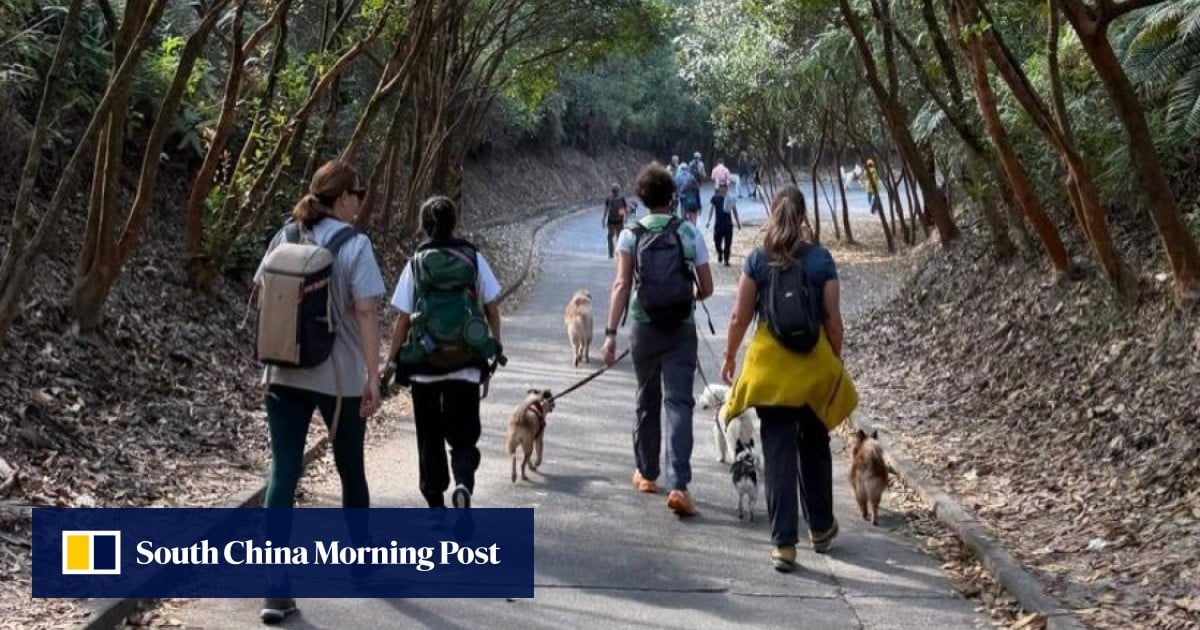
In a city obsessed with efficiency, optimisation and results, walking has rarely been focused on as a health intervention. Yet across Hong Kong, a quiet reframing is taking place. Increasingly, it is being described not as light exercise or leisure, but as a form of everyday medicine, one that supports mental health, recovery from illness and ageing well, without injury or pressure.
Stephanie Lown, founder of hiking group Exploring Dogs, says walking offers a rare combination of movement, nature, routine and connection.
“People often overextend themselves trying to do too much, too soon, especially in fast-paced cities,” she says. “Walking allows you to show up consistently over long periods of time without injury or burnout.”
This gentle shift is increasingly backed by research emerging from Hong Kong and mainland China, which suggests that walking, particularly when done regularly and in nature, may offer psychological and physical benefits that more intense exercise does not always deliver.
 Stephanie Lown is seen on a walk with her dogs and other members from Exploring Dogs. Photo: Stephanie LownA 2025 pilot study led by the University of Hong Kong and published in the International Journal of Environmental Health Research found that regular walking was associated with reduced psychological distress, improved resilience, greater mindful attention and better sleep quality.