The revival of the Transamerica Pyramid was a cause for celebration in San Francisco. But in Germany — where the funds to purchase and redevelop the skyscraper originated — the decision is being scorned.
Media reports and public disclosures have found that Bayerische Versorgungskammer (BVK), Germany’s largest public pension group, could be hit with more than $1 billion in losses as a result of the investments it made in the Transamerica Pyramid and other U.S. real estate projects between 2018 and 2020.
Whereas U.S. pension funds disclose detailed holdings publicly, German institutions are less transparent. BVK initially admitted to $193 million in losses from its U.S. deals, but after media reports and government inquiries revealed the extent of the pension fund’s partnership with controversial developer Michael Shvo, it released an update to members late last year reporting that it was anticipating $820 million in additional losses.
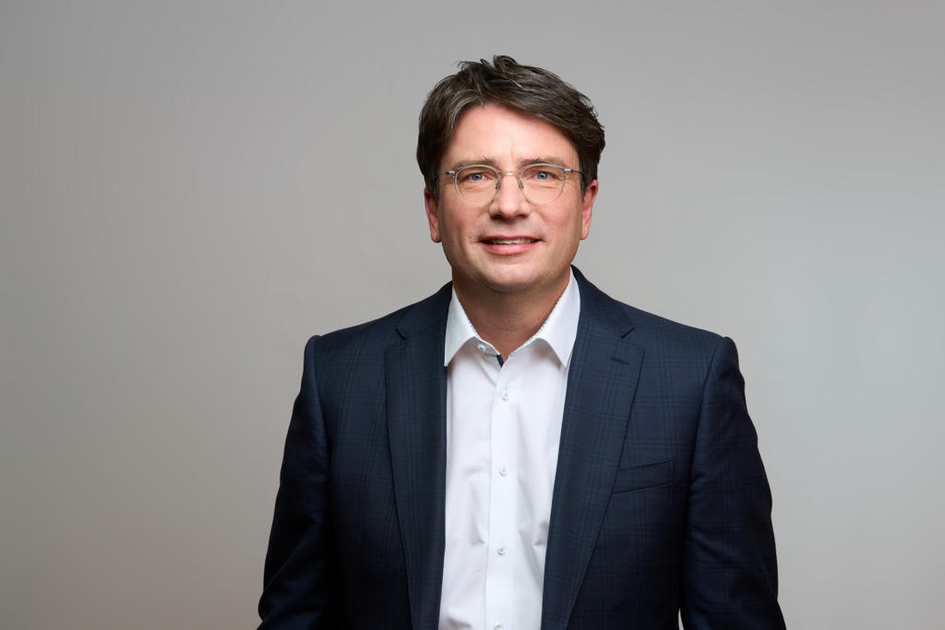
While those losses account for a small fraction of BVK’s $145 billion book of business, the disparity raised enough red flags for Bavarian lawmaker Florian Von Brunn to launch a probe into the oversight of BVK in September.
Since the state government oversees BVK’s activities, and some lawmakers have their own pensions tied to the fund, Von Brunn wanted to know how much his colleagues knew about the scandal and what they intend to do about it.
The 57-year-old politician has been a member of the Bavarian Landtag (state Parliament) since 2013 and is from the center-left Social Democratic Party. One of his focuses is consumer protection à la Massachusetts Sen. Elizabeth Warren.
Here’s his perspective on how the Transamerica Pyramid saga is impacting those in Germany and what he’s hoping to bring to light.
This conversation was edited for length and clarity.
How did you become aware of BVK’s potentially problematic U.S. investments and what spurred you to speak out about them?
There were two sessions of the finance committee [last year] in the Bavarian Parliament, and then there were also newspaper reports about it. I found then that there was not much inquiry into this space but that there were many people who had their retirement schemes covered [by BVK], including civil servants, lawyers, doctors, artists, and many important groups for economic life. I thought that it cannot be that there is no public discussion about it.
At the state level, we have the Ministry of Interior Affairs, which is supposed to keep the federal government in check. But in my opinion, they are not really experts [in finance], and they don’t really want to know much about it, because if they do know too much, then they might be responsible for [BVK’s] faults.
 At the behest of Michael Shvo, BVK and its partners spent $650 million on the Transamerica Pyramid. | Source: Estefany Gonzalez/The Standard
 The subsequent redevelopment of the property was celebrated by city officials.| Camille Cohen/The Standard
Germany has seen financial scandals before. What stuck out to you about this?
We have a very regulated market for pension funds because they concern the lives of normal people. Therefore, we tend to be very careful and avoid risky investments. When you look at something like BVK, you expect a very serious and very solid way of doing business. So it was very shocking to see there were such big losses, and there were not very good examinations of the investments with Michael Shvo. I was really astonished by the lack of due diligence, because it’s been publicly reported that he was convicted of tax fraud (opens in new tab). I don’t know how you handle it in the United States, but this is not a very good thing in Germany if you behave this way.
Has BVK been transparent in this matter?
Not really. In German, we call what they do “Salamitaktik,” which roughly translates to salami tactic, where we get information only slice by slice, when requested. It seems that every time they fear that something is about to be published about them or a new lawsuit is coming, they put out a new press release where they confess to further losses than previously communicated.
No one has yet firmly answered the question as to why the cooperation with Michael Shvo was allowed to happen.
Do you see this BVK-Shvo episode as an isolated incident or part of a broader problem?
I think the control function of our structural system was not properly executed. The reaction to the scandal has not been to improve our processes but rather to hide it, talk it away. We should have people empowered to do controls in a responsible, professional way.
But the reaction of the minister this time defaulted to “We had no influence.” He tries to escape responsibility, in my opinion. It is not a matter of lack of regulation. It’s a problem of people who want to step up and take ownership of the control.
Some people might write me off as a member of the opposition party who just wants to criticize the conservatives, but I would hope that, regardless of our political affiliations, we can protect people’s pension funds in the proper way.
What will happen with BVK?
It depends on what BVK tells us in the next few months. If there are more losses, then maybe the situation changes very quickly. If they manage to hold the losses at this level, then I would say that this discussion would probably disappear.
Because if there is no big event, then there is no reason to form an inquiry committee or something like that. Right now, I think most of the political pressure is coming from the newspapers.
I think more parliamentary inquiries are needed. Only a quarter of the Parliament would have to agree in order for us to start procedures that are similar to a prosecution.