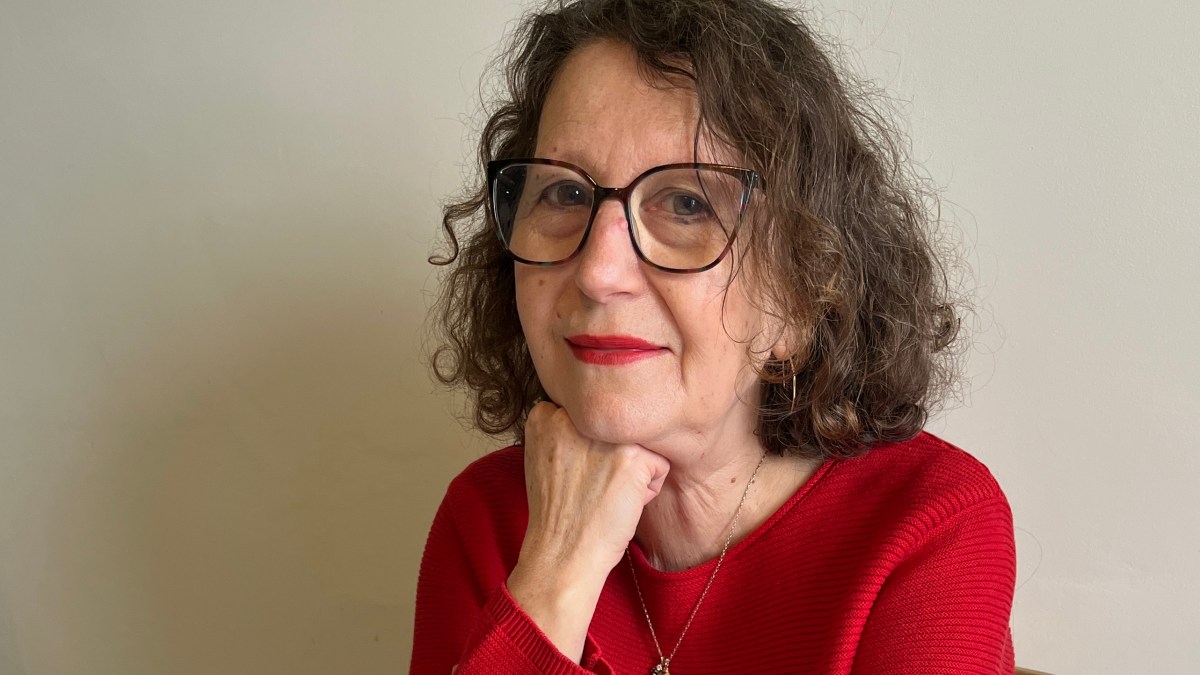
Danielle Barbereau has watched her husband throw himself into retirement, happily relishing daily DIY and long walks near their Northumberland home. It is not a life she envies.
Barbereau, 67, loves to work. A brief stint of unemployment in her early 50s turbocharged her work ethic and led her to pivot from being a university academic to a self-employed divorce coach. She has no desire to give up a career that she has spent nearly two decades building.
Some 2.12 million people aged 66 and older were still working in the 2024-25 tax year despite being past state pension age, according to HM Revenue & Customs. It underpins a curious trend in Britain’s topsy-turvy Labour market: as more young people shun the workplace, the nation’s pensioners can’t get enough of it.
The number of 16 to 24-year-olds not in education, employment or training — so-called Neets — hit an 11-year high of 987,000 early last year before dropping to 946,000 by September. It means that about one in eight young adults is a Neet, with long-term mental health problems being cited as one of the reasons for the high number.
• ‘I had retired — now I’m back, and working as a carer’
By comparison, 1.56 million workers who had passed the state pension age — 66 at the moment but rising to 67 by 2028 — were still on company payrolls in 2024-25, up 12 per cent from the 1.39 million in the 2020-21 tax year. A further 562,000 — including Barbereau — continue to do some form of self-employed work, an 8 per cent increase from five years ago.
There are now more people over 70 paying income tax than under-30s. HMRC data from the 2022-23 financial year — the latest available — shows that 5.45 million people over 70 paid income tax, compared with 5.23 million people aged below 30.
Barbereau said that her decision to keep working was borne out of desire not necessity. She and her husband are mortgage-free and have their own private pensions. She has worked with more than 1,400 clients as a coach, and never worries about “turning the heating on”, she said.
“It helps that I am self-employed. If I was still in employment, I would be very difficult to manage, much more rebellious. Everybody expected me to stop working at 66 but why would I stop? My job is my raison d’etre.”
Dennis Reed from the group Silver Voices, which campaigns on behalf of the over-60s, said that other working pensioners are not so lucky. “The state pension is insufficient to meet everyday needs. More and more people are being forced to take on work.”
• ‘I’m still working at 70. I love my job so much, I commute three hours a day’
The full new state pension will go up to £241.30 a week — £12,547 a year — in April.
Reed said that those with generous private pensions may keeping working to combat loneliness, “mix with others and make friends with co-workers”.
The £1.1bn tax break
The nation’s growing pensioner workforce may be a good thing for Barbereau, but it adds up to a national insurance loss for the Treasury. That’s because an anomaly in the tax system means that you stop paying national insurance on wages once you reach state pension age — you are still liable for income tax.
National insurance is levied at 8 per cent of earnings between £12,570 and £50,270 and 2 per cent on income above this. You do not pay it on wages below £12,570 or on income from private pensions. The exemption for pensioners exists because historically most people stopped working once they could claim the state pension.
National insurance contributions were designed to pay for the state pension, so many older workers feel they have already paid their fair share.
In 2000 only 467,000 workers were aged 65 and above, but the national insurance exemption cost the Treasury about £1.1 billion last year, according to the former pensions minister Steve Webb.
In December the economist Paul Johnson said that a graduate in their late twenties earning £30,000 a year pays a marginal tax rate (the rate you pay on the next £1 you earn) of 37 per cent when income tax, national insurance and student loan repayments were taken into account.
A worker in their late sixties earning the same amount would have a marginal tax rate of 20 per cent. “That’s all. And they’ll have a £12k state pension,” Johnson said.
• Visit Times Money for personal finance news, guides and expert columnists
The take-home pay of the graduate would be roughly £25,000 while the pensioner would net about £36,000 once the tax-free personal allowance was taken into account.
Toby Whelton from the Intergenerational Foundation said the unfairness of the tax system was driving “sheer despair and a lack of hope” among young workers.
“We have a whole generation that feels they have been forgotten about. They are never going to amass the property wealth their parents did and work is no longer the means to hitting typical milestones. Young people are relying on intergenerational wealth transfers instead,” he said. “We think it’s great that people are working for longer. But the tax system needs to be fairer and we believe the national insurance anomaly needs to be fixed.”
Before the budget last year the chancellor, Rachel Reeves, was said to be considering plans to increase income tax by 2p while lowering national insurance by 2p. The proposals would have made no difference to the working-age population but would have meant working pensioners paid more.
Some analysts said that removing the exemption could drive older people out of the workforce, bringing down income tax receipts. The over-70s paid £19.1 billion in income tax in 2022-23, although much of that would have been on pension income.
Andrea Barry from the Centre for Ageing Better, a charitable foundation, said: “Those arguing for the end of the national insurance exemption claim it is a costly tax break. But more needs to be done to understand the impact of ending it before it is hastily removed.”
For Barbereau, the prospect of paying national insurance on her freelance income is “not amusing”. “I started paid work when I was 18 and I never stopped. It’s a long stretch of contributing to the system. I have never objected to paying national insurance but why should I keep paying it now?” she said.