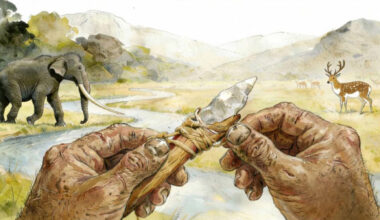
SScience Read More China’s Xigou Site Yields Evidence of Advanced Stone Tool TechnologyJanuary 28, 2026 Technological innovations in Africa and Western Europe in the later part of the Middle Pleistocene signal the behavioral…
TTV Read More Watch: Finn Wolfhard in ‘Harry Potter’ x ‘Heated Rivalry’ SNL TrailerJanuary 19, 2026 Watch: Finn Wolfhard in ‘Harry Potter’ x ‘Heated Rivalry’ SNL Trailer by Alex Billington January 18, 2026Source: YouTube…
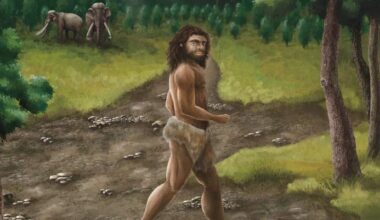
SScience Read More Enigmatic Hominins May Have Overlapped with Homo sapiens on SulawesiJanuary 14, 2026 At Leang Bulu Bettue, a rock-shelter in the Maros-Pangkep karst region on the Indonesian island of Sulawesi, paleoanthropologists…
SScience Read More Researchers Sequence Genome of 200,000-Year-Old DenisovanJanuary 2, 2026 A research team led by Max Planck Institute for Evolutionary Anthropology scientists has generated the high-quality genome assembly…
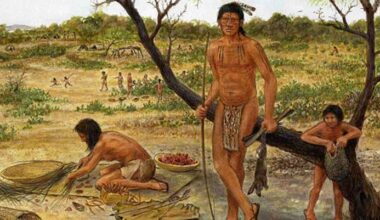
SScience Read More European Homo sapiens May Have Been Hunting with Bow and Arrow Earlier than Previously BelievedDecember 30, 2025 In a new paper published this month in the journal iScience, researchers from the University of Tübingen and…
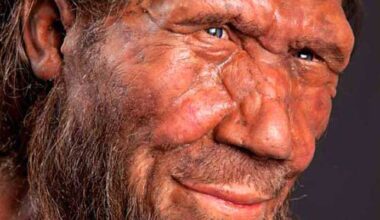
SScience Read More New Research Explores Paleolithic Transition from Neanderthals to Anatomically Modern HumansDecember 22, 2025 The Middle to Upper Paleolithic Transition approximately 50,000 to 38,000 years ago is marked by the decline and…
SScience Read More Researchers Using Neanderthal DNA to Learn More About How Human Faces Develop and EvolveNovember 11, 2025 University of Edinburgh scientist Hannah Long and colleagues show how a region of Neanderthal DNA is better at…
SScience Read More 45,000-Year-Old Crimean Neanderthal Reveals Long-Distance Connections across EurasiaNovember 3, 2025 The Crimean Peninsula in Ukraine contains key Middle to Upper Paleolithic transitional archaeological sites, including the site of…
SScience Read More Paranthropus boisei was Capable of Tool Making, New Fossil SuggestsOctober 21, 2025 Paleoanthropologists have unearthed and examined a hominin partial skeleton that includes hand and foot bones unambiguously associated with…
SScience Read More Humans Evolved from African Ape-Like Ancestor, Research SuggestsOctober 21, 2025 In new research, paleoanthropologists from the United States and Canada analyzed the morphology of a hominin talus (large…
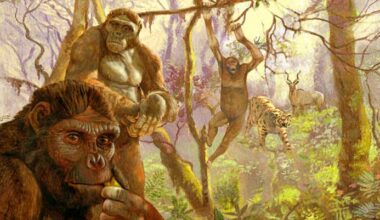
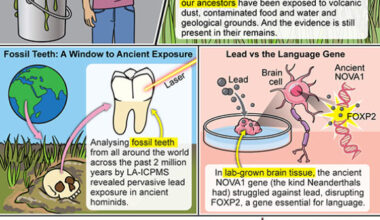
SScience Read More Lead Exposure May Have Influenced Evolution of Human Brain, Behavior, and Development of LanguageOctober 20, 2025 Several hominids — Australopithecus africanus, Paranthropus robustus, early Homo sp., Gigantopithecus blacki, Pongo sp., Papio sp., Homo neanderthalensis,…
SScience Read More Denisovan DNA May Have Helped Ancient Humans Survive in AmericasAugust 21, 2025 Thousands of years ago, ancient Homo sapiens undertook a treacherous journey, crossing hundreds of km of ice over…