
With the Knesset set to reconvene on May 10 after its six-week spring recess, the coalition is preparing to advance an ambitious agenda of contentious legislation, including measures aimed at shaping narratives around the October 7, 2023, massacre and punishing its perpetrators.
The most controversial piece of legislation set to move ahead involves plans for an arrangement meant to enshrine military draft exemptions for the ultra-Orthodox in law, a widely unpopular measure which has riven deep divisions within the coalition and could bring down Prime Minister Benjamin Netanyahu’s government months ahead of its natural expiration date in the fall.
Other hot-button proposals include a politically appointed probe into the October 7, 2023, massacre, the creation of a special military tribunal for the perpetrators of October 7, an overhaul of broadcast media, legislation splitting the role of the attorney general, and the enshrinement of commemoration activities for October 7.
Several of the bills were pushed to the sidelines in late March as the coalition scrambled to secure passage of the state budget before the statutory March 31 deadline. Failure to pass the budget would have triggered the collapse of the government and early elections.
Some measures nonetheless continued to move forward in parliamentary committee discussions even as the plenum sat idle and during the war with Iran, when non-urgent legislation was supposed to be frozen.
Get The Times of Israel’s Daily Edition
by email and never miss our top stories
By signing up, you agree to the terms
In power since late December 2022, the coalition has until October at the latest to push through legislation before new elections are held.
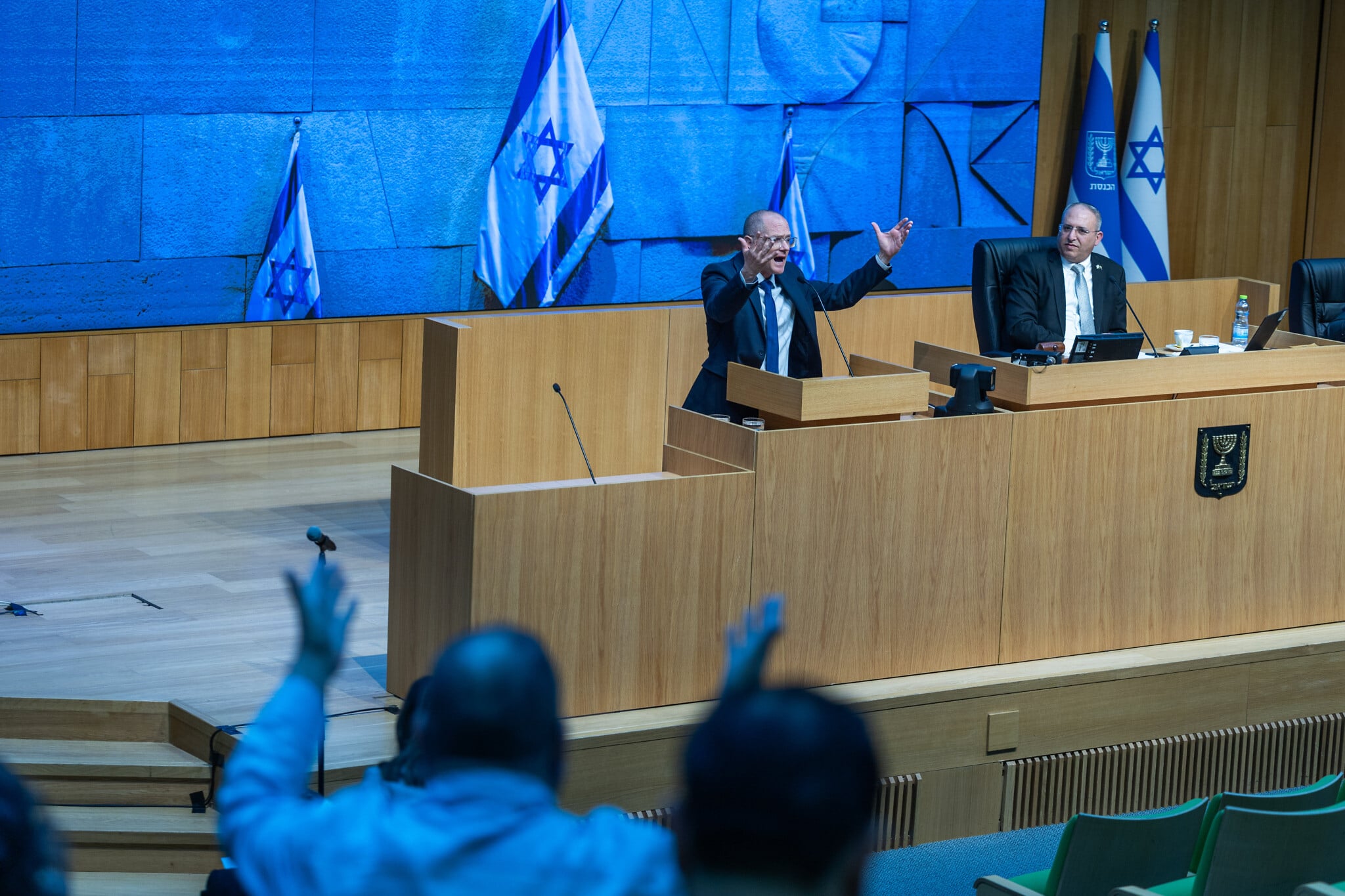
MK Oded Forer addresses a wartime plenum debate in the fortified Knesset auditorium, March 9, 2026. (Yonatan Sindel/Flash90)
With the budget fight behind them and the government no longer facing an immediate risk of dissolution, coalition leaders are expected to push ahead more aggressively with the initiatives, seeking to deliver on core ideological priorities and bolster their legislative record as re-election campaigns ramp up.
Here is a look at the major pieces of legislation expected to advance once lawmakers return to the Knesset.
Haredi draft exemption
Perhaps the most nationally divisive issue on the coalition’s legislative agenda is the government bill enshrining sweeping exemptions for the ultra-Orthodox community from mandatory military service.
The proposal, currently being considered in the Foreign Affairs and Defense Committee, states that its goal is to “regulate the status of full-time yeshiva students while recognizing the importance of Torah study,” but in practice would continue to grant military exemptions to full-time yeshiva students while ostensibly increasing conscription among graduates of Haredi educational institutions.
It also removes various provisions from a previous draft intended to ensure that those registered for yeshiva study are actually studying, and cancels all sanctions on draft evaders when they turn 26.
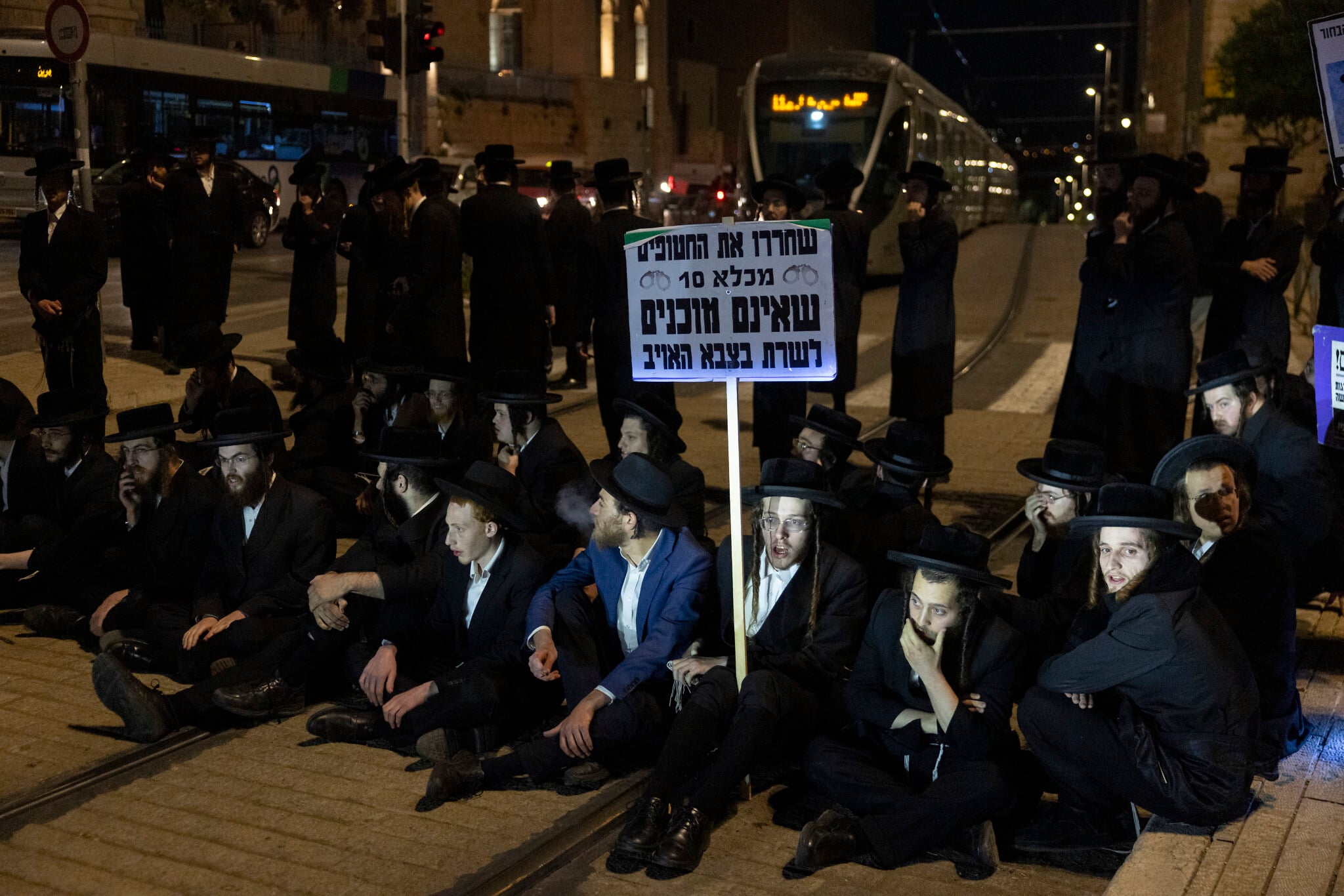
Ultra-Orthodox men block the light rail tracks outside the Old City of Jerusalem during a protest against the jailing of seminary students who failed to comply with army recruitment order, April 28, 2026. (Chaim Goldberg/Flash90)
The legislation has drawn sharp criticism from senior IDF officials, the attorney general, and other opponents, who argue that it contains significant loopholes, entrenches inequality in the draft system, and will not result in increased enlistment to meet what the military says is a severe manpower shortage.
Some 80,000 ultra-Orthodox men aged between 18 and 24 are currently believed to be eligible for service but haven’t enlisted.
Dependent on Haredi support to remain in power, the coalition has struggled to find a formulation that satisfies both the ultra-Orthodox leadership and the broader public’s demand for a shared burden of mandatory military service.
The measure is backed by the ultra-Orthodox Shas party, but has faced vocal opposition from within the coalition, including Netanyahu’s own Likud party. It was temporarily set aside following the outbreak of war with Iran on February 28, as the government moved to secure the rapid passage of the state budget to cover the costs of the fighting.
Foreign Affairs and Defense Committee chairman MK Boaz Bismuth said shortly before the recess that he would renew deliberations on the subject upon the Knesset’s return to activity, but no discussions have been scheduled on the committee’s agenda, and its future remains uncertain.
The ultra-Orthodox United Torah Judaism party’s three MKs from its Agudat Yisrael faction oppose the measure for not going far enough in providing blanket exemptions for the community. The party’s four-seat Degel HaTorah faction had backed the measure, but this week one of its senior rabbinic leaders, Rabbi Moshe Hillel Hirsch, came out against the legislation as currently written.
Party sources told The Times of Israel that his opposition is why the legislation has not yet been placed on the committee’s agenda.
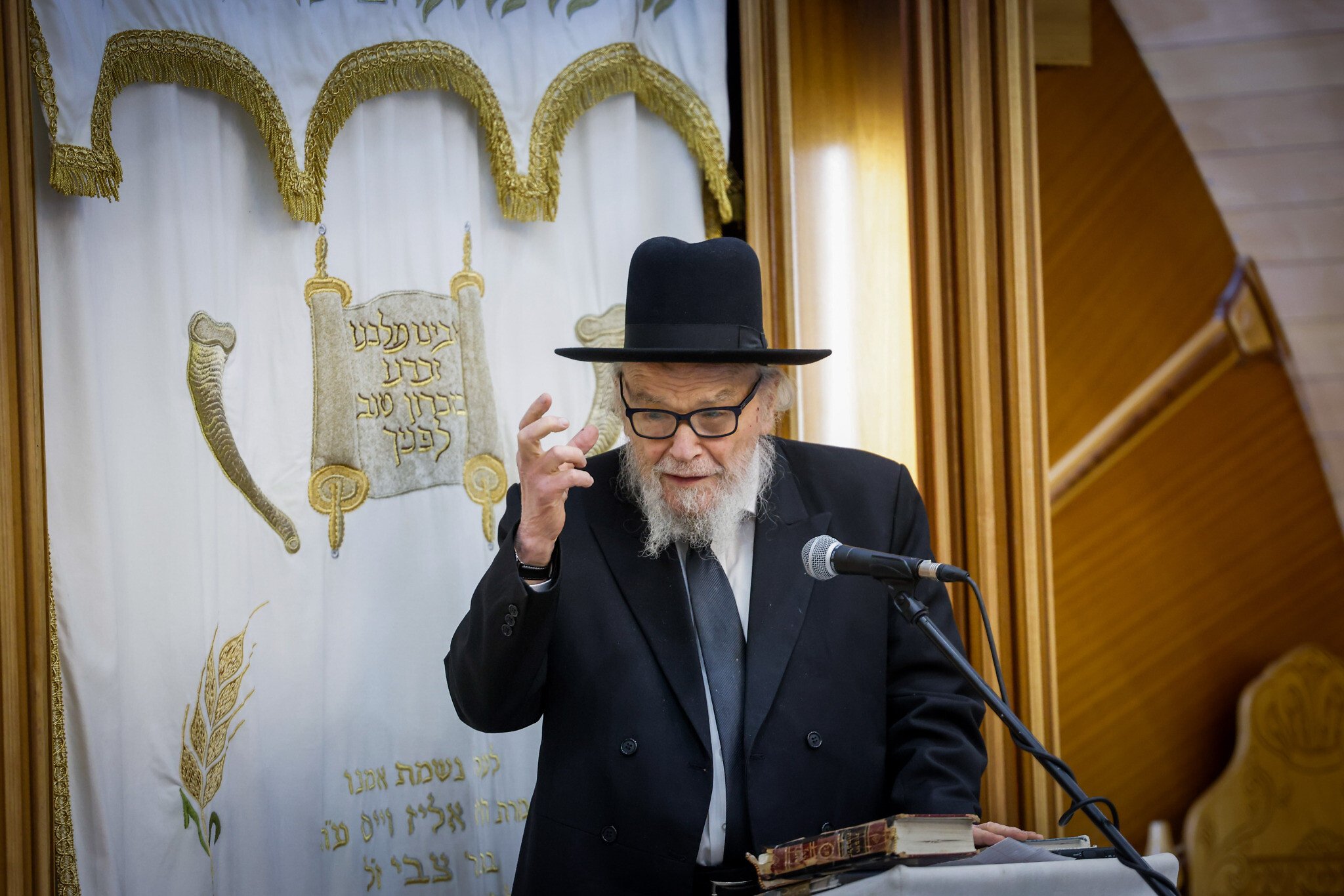
Rabbi Moshe Hillel Hirsch, head of the Slabodka Yeshiva, delivers a lesson at a yeshiva in Jerusalem, October 22, 2024. (Chaim Goldberg/Flash90)
A small but significant number of coalition lawmakers have also publicly opposed the current legislation, and with elections looming, many may feel pressure to avoid publicly backing the unpopular measure.
With opposition parties firmly aligned against the legislation, every vote among the coalition’s 67 seats is critical, and if the rebel MKs and UTJ join the opposition, the bill will fail to pass its final two readings.
Ultra-Orthodox leaders have threatened on multiple occasions to bring down the coalition unless a bill providing exemptions passes, but have repeatedly stopped short of making good on the threats.
Parliamentary probe into October 7
The Knesset voted in December to approve a preliminary reading of Likud MK Ariel Kallner’s contested bill to establish a politically appointed probe into the failures surrounding the October 7 disaster, sending it to committee.
The proposal has since been under discussion in the Knesset’s Constitution, Law and Justice Committee, where it is being prepared for its first of three votes in the plenum.
While no committee discussions have been held since February, before the outbreak of the Iran war and the spring recess, and none are currently scheduled, a Knesset source familiar with the matter told The Times of Israel that informal talks have continued during the recess and that the government intends to advance the legislation once lawmakers return.
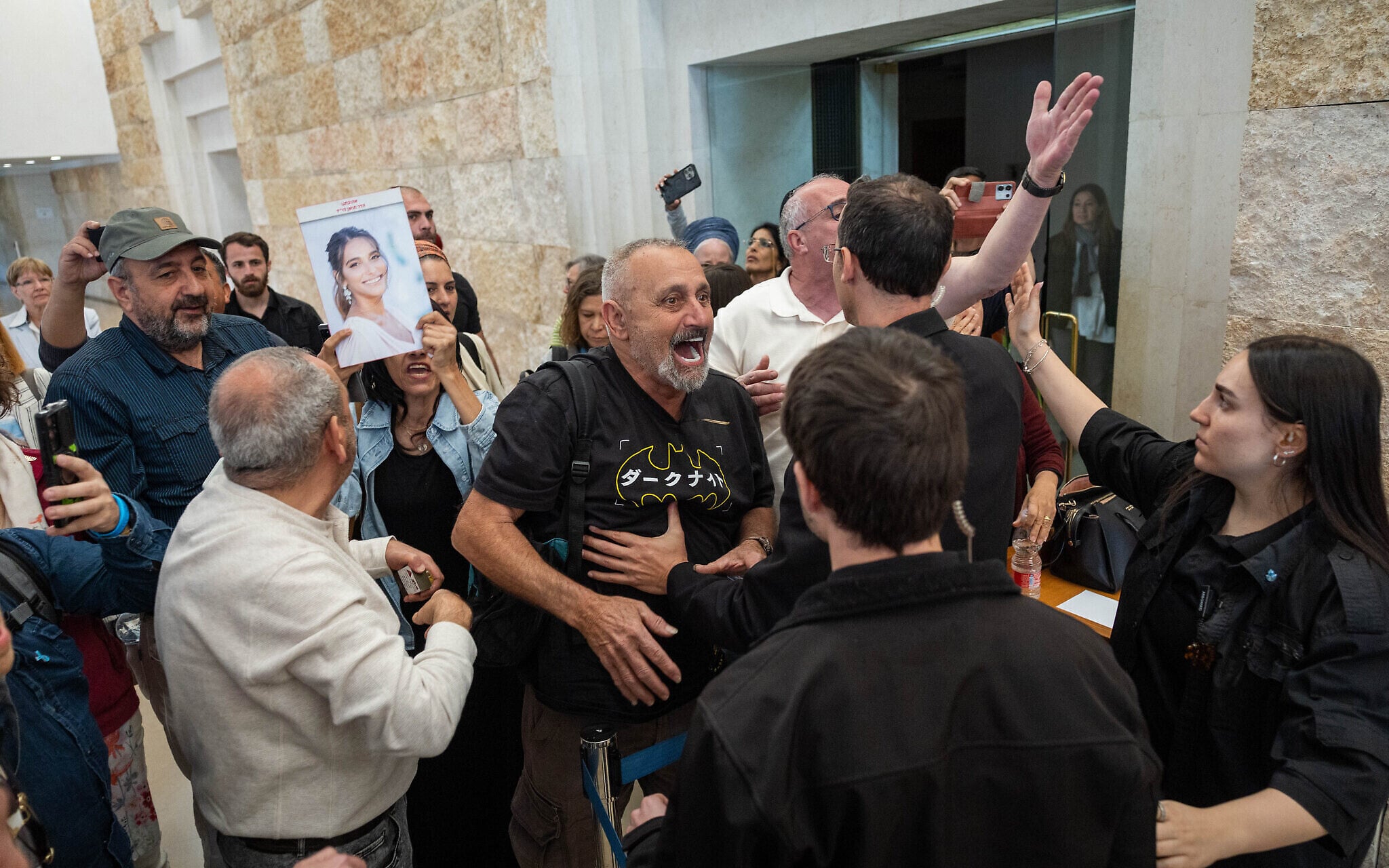
Pro-government bereaved families protest outside the High Court in Jerusalem on April 23, 2026, during a hearing on the establishment of a state commission of inquiry into security failures surrounding the Hamas-led onslaught of October 7, 2023. (Yonatan Sindel/Flash90)
Critics say the measure is meant to bypass calls for an independent state commission of inquiry into the failures surrounding the massacre, instead allowing politicians to establish an inquest that is liable to shield them from being held responsible.
The measure is largely opposed by bereaved relatives of those killed on October 7, hostages’ families, and opposition lawmakers, who have boycotted committee proceedings. Public opinion surveys have consistently shown broad support among Israelis for a state commission of inquiry, the only available independent public forum with investigative powers.
The proposal has also faced sharp criticism from the attorney general, Knesset legal advisers, and the High Court of Justice, which last week ordered the government to come up with a “suitable framework” to investigate the disaster by July 1, though it stopped short of ordering a state commission of inquiry into the onslaught.
The government has steadfastly refused to establish a state commission of inquiry into October 7, arguing at different times that such a probe could not proceed during wartime and later that it would be biased because its members are appointed by the judiciary, whose powers the government has sought to curb.
Military tribunal for October 7 perpetrators
The Knesset’s Constitution, Law and Justice Committee approved legislation establishing a special military tribunal to prosecute individuals accused of participating in the October 7 attacks in March, just days before the Knesset entered its spring recess, clearing the way for the bill to be brought to the plenum for final votes once lawmakers return.
The measure would create a special court within the military justice system to try the roughly 300 attackers captured by security forces inside Israel during the attacks and held in detention since.
Under the legislation, the tribunal will be able to charge the assailants with all relevant crimes, including genocide under the terms of Israel’s 1950 Law for the Prevention of Genocide.
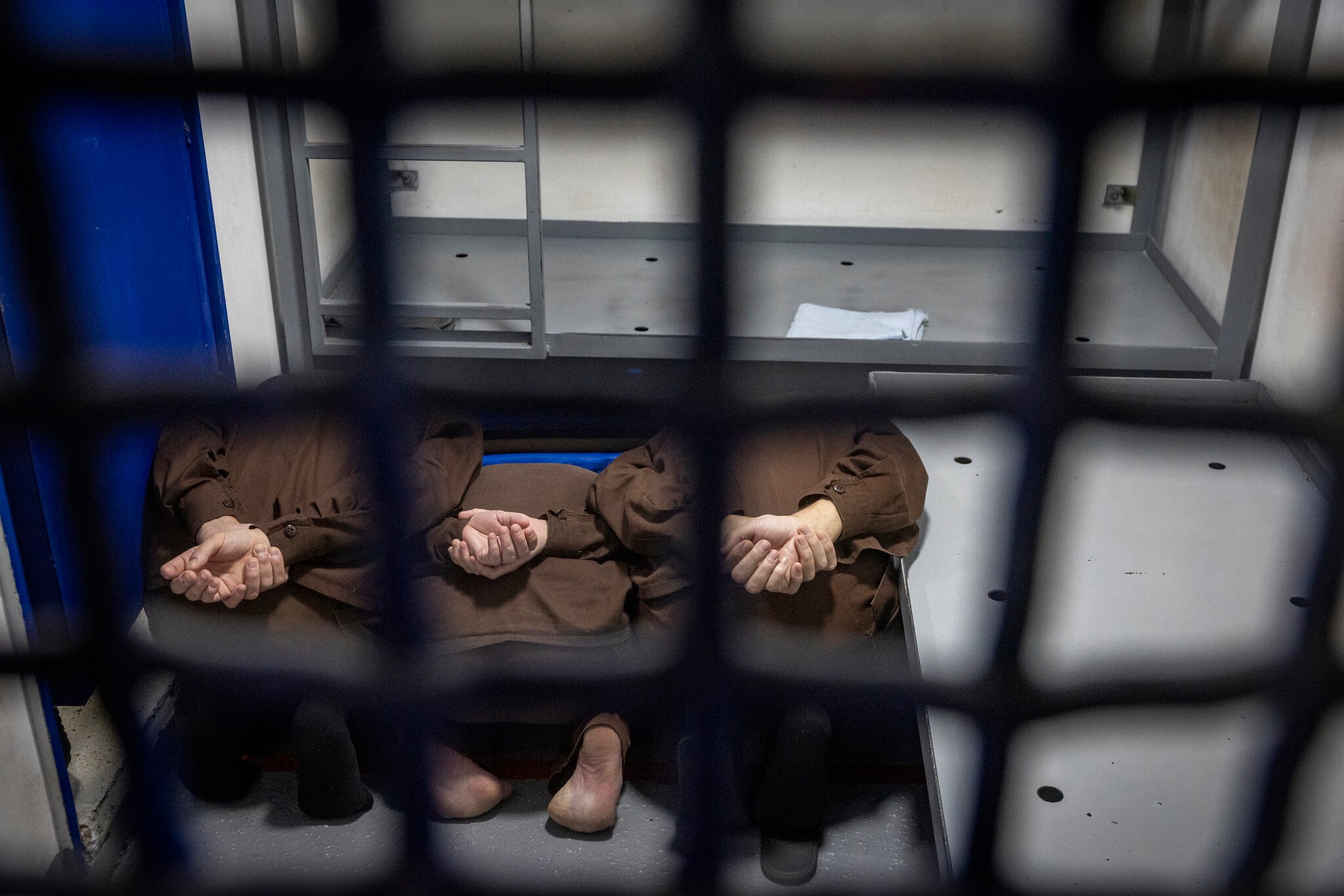
Illustrative: Hamas Nukhba terrorists captured on October 7, 2023, are seen in a cell at a prison in central Israel, February 17, 2026 (Chaim Goldberg/Flash90)
Those convicted of genocide charges would be liable to the death penalty.
The proposal was spearheaded by Constitution Committee chairman Simcha Rothman of the Religious Zionism party and opposition lawmaker Yulia Malinovsky of Yisrael Beytenu in a rare example of bipartisan cooperation.
It passed its first reading in the Knesset in January and has been under committee deliberation since.
Rothman said before the recess that he intends to bring the bill to a final vote by mid-May.
Broadcast media overhaul
The government’s bill to significantly overhaul the broadcast media landscape is among those closest to advancing once the Knesset returns from recess, after the special parliamentary committee established to discuss the legislation continued deliberations during the break. It is expected that they will seek to advance to the plenum for second and third readings soon after the recess ends.
Pushed by Communications Minister Shlomo Karhi, the legislation passed its first reading in the plenum in November and has since been discussed in preparation for its final readings in a special committee established specifically to handle the proposal under Likud MK Galit Distel-Atbaryan.
The panel was created to bypass the Economics Committee, where such legislation would typically be debated, due to opposition from panel chair Likud MK David Bitan, who previously blocked Karhi’s attempt to shut down the Kan public broadcaster.
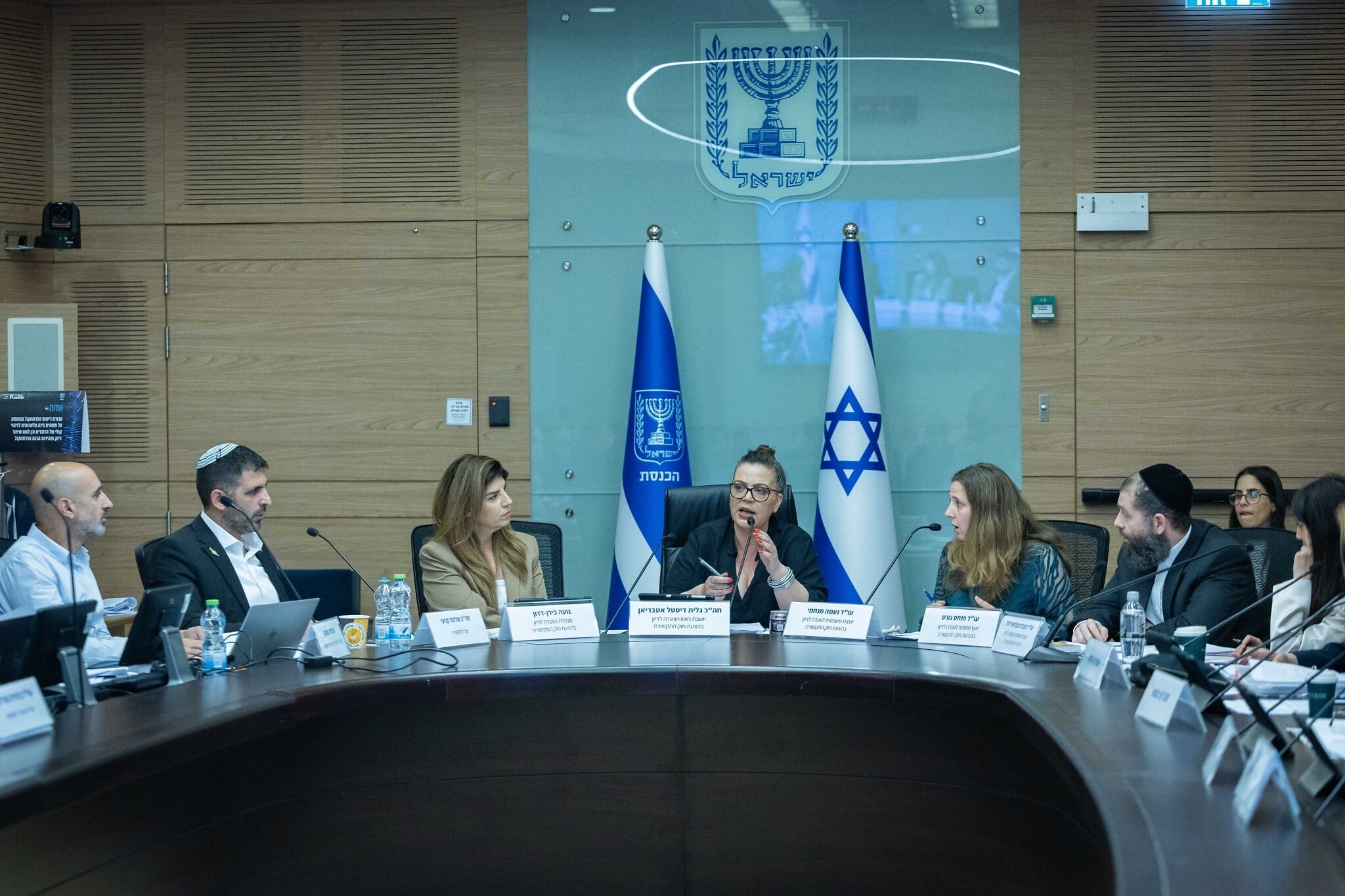
MK Galit Distel Atbaryan leads the Special Committee for the Communications Law at the Knesset, Jerusalem, April 28, 2026. (Yonatan Sindel/Flash90)
The bill would give the government significant control over broadcast media, news sites, and other media by establishing a new regulatory council, with a majority of members chosen by the communications minister, that would have an array of authorities, including the ability to issue hefty fines.
It has drawn sharp opposition from both the committee’s professional legal staff and Attorney General Gali Baharav-Miara, who have warned that the current draft undermines press freedom and allows for political interference in media.
Split of the attorney general’s role
The coalition is continuing to advance legislation to split the role of the attorney general into three separate positions, preserving the role of the attorney general as legal adviser to the government, but create separate positions of prosecutor general and government representative to the courts — both roles currently filled by the attorney general — and effectively remove all power from the slimmed-down attorney general position in their role as the government’s chief legal adviser.
Supporters have insisted that these reforms are necessary to allow elected governments to fulfill their mandate and carry out the will of the electorate. But critics argue that it would remove one of the only brakes on executive power from Israel’s system of government, and politicize the criminal prosecution service as well.
Lawmakers voted in October in favor of a preliminary reading of the bill sponsored by Religious Zionism MKs Simcha Rothman, Ohad Tal, and Michal Woldiger, and it has since been under discussion in Rothman’s Constitution, Law and Justice Committee in preparation for its first reading in the Knesset.
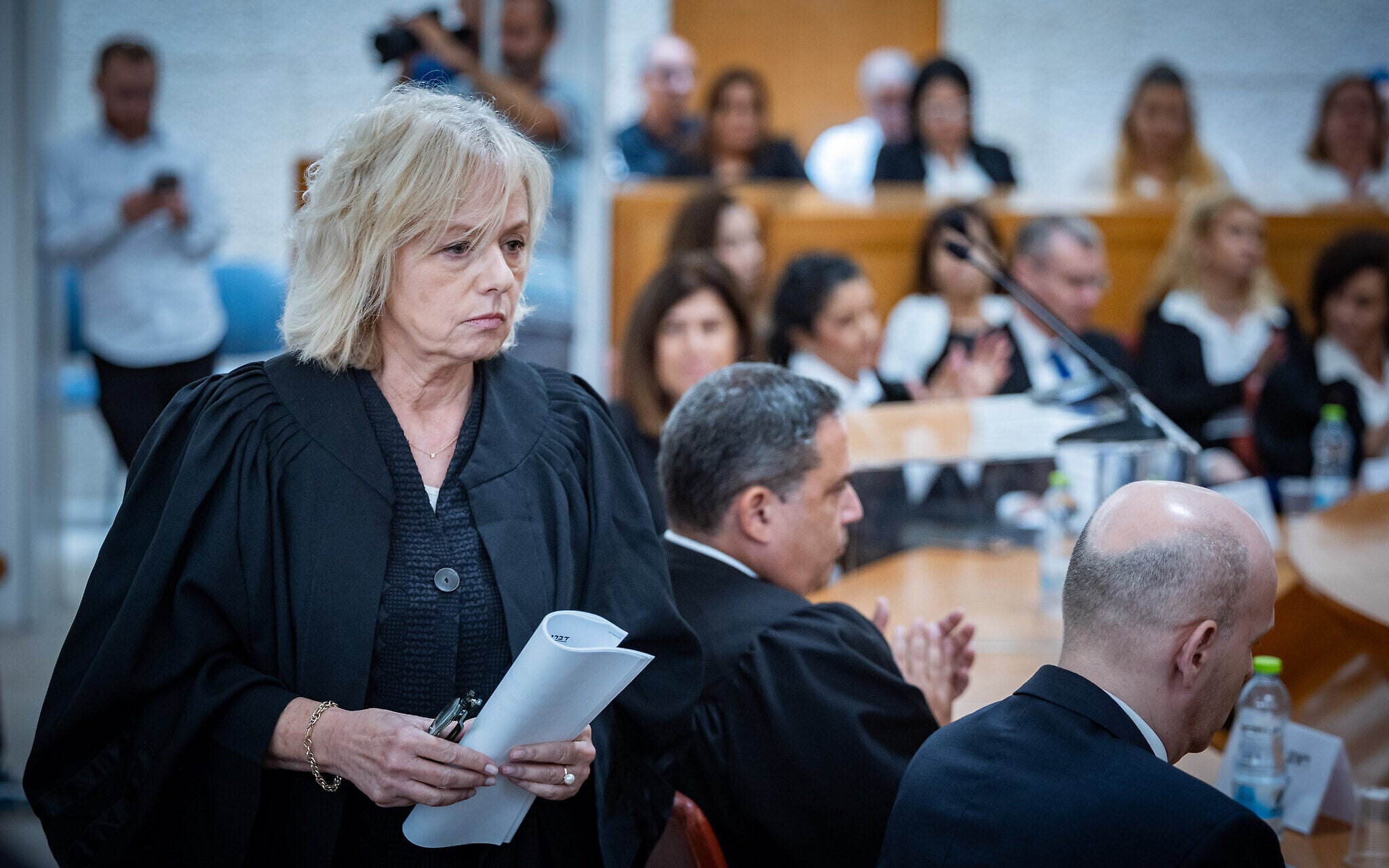
Attorney General Gali Baharav-Miara attends a ceremony for outgoing Supreme Court judge Yosef Elron, at the Supreme Court in Jerusalem. September 18, 2025. (Yonatan Sindel/Flash90)
The committee has continued deliberations on the legislation during the recess, signaling that it remains a priority that the coalition intends to advance once Knesset activity resumes.
October 7 commemoration
Lawmakers are also expected to attempt to advance legislation to establish an official national framework to commemorate the October 7 attacks. The Knesset’s Education Committee, which is preparing the bill for its final readings scheduled a discussion on the topic shortly after lawmakers return from recess, signaling that the measure remains a legislative priority.
The proposal, which merges two separate proposals, is a rare consensus initiative in the normally fractious Knesset and is backed by more than 80 of the legislature’s 120 members. It would designate an annual national memorial day for the October 7 attack — the deadliest in Israel’s history — to be observed on the 24th day of the Jewish month of Tishrei, along with formalizing state-led remembrance activities.
Some 1,200 people were killed in the brutal Hamas-led assault on communities, army posts and festival sites near the Gaza border on October 7, 2023, and another 251 were kidnapped into the Strip. Most of the victims were civilians.
The legislation on the commemoration passed its first reading in January and has since been under committee deliberation in preparation for its second reading in the plenum.
Despite broad political support, the measure has drawn criticism from bereaved families after the term “massacre” was removed from the title at the request of the Prime Minister’s Office, which instead renamed it “Memory and Commemoration of the Events of Simhat Torah.”
Families have accused the government of attempting to “erase” history and evade accountability.
Sam Sokol and Jeremy Sharon contributed to this report.