The latest Iran-linked espionage indictment should not be treated as a marginal security story in a country already dealing with many others.
A civilian and three soldiers were indicted Friday after allegedly maintaining contact with Iranian intelligence operatives and carrying out security-related assignments at their direction before their enlistment.
According to security authorities, the suspects photographed public and security-related sites across Israel, including train stations, shopping centers, security cameras, and the Israel Air Force technical school. They were also allegedly asked to purchase weapons.
The reference to weapons moves the case beyond a familiar pattern of photographs and online tasks, but the pattern itself is already troubling enough. This is not only about espionage in its more familiar form: classified documents, secret meetings, or formal access to sensitive material.
It is also about ordinary Israeli spaces being turned into intelligence material. Train stations, streets, schools, neighborhoods, and security cameras are not abstractions, but are rather the infrastructure of daily life.
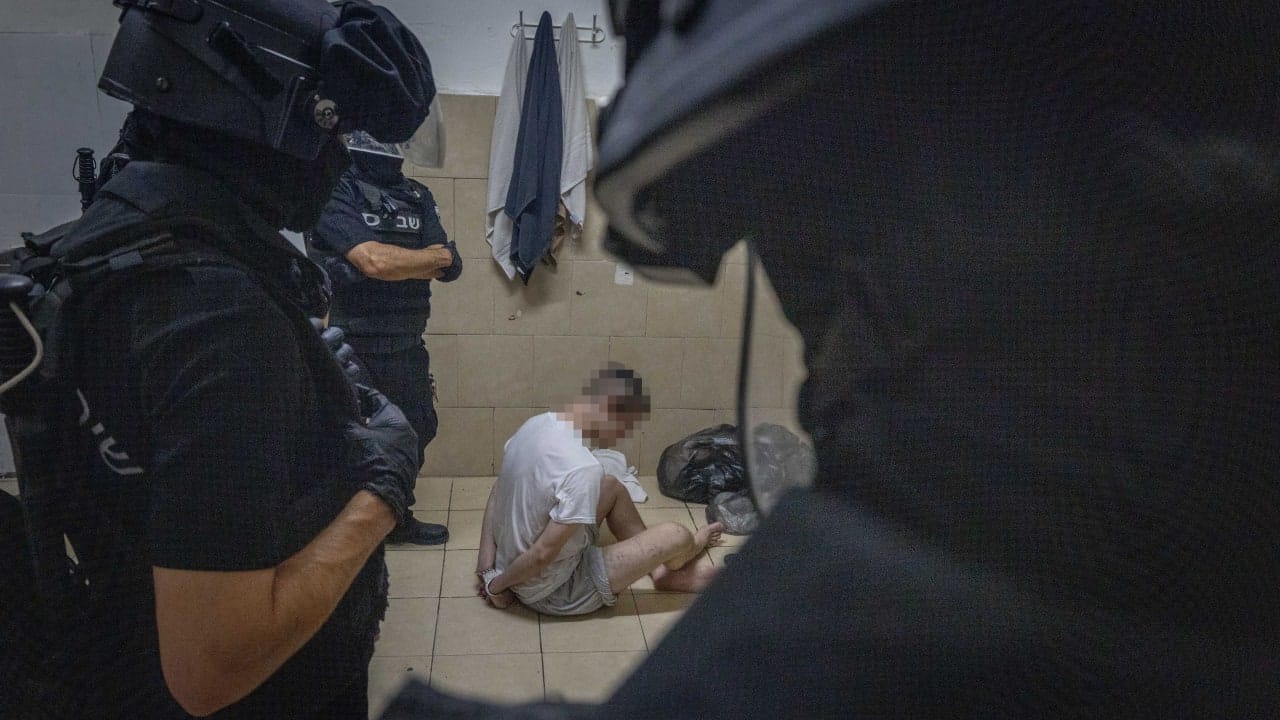
 Israel Prison Service guards operate in a special wing of Israeli citizens accused of spying for Iran, in the Damon Prison, in northern Israel, July 1, 2025 (credit: FLASH90/CHAIM GOLDBERG)
At a time when Israel’s confrontation with Iran remains highly sensitive, these cases deserve more public attention.
Law enforcement and security agencies have been active. The Shin Bet (Israel Security Agency), police, Lahav 433, Military Police, and prosecutors have repeatedly exposed and charged alleged Iran-linked recruitment cases. Prior cases reported in these pages showed a recognizable pattern: Telegram contacts, vague offers of paid “work,” cryptocurrency payments, requests for photographs, and tasks that may begin with something that looks minor before moving toward something far more serious.
That is exactly why the issue needs to be understood earlier. Harsh punishments already exist, including one case of a 10-year prison sentence.
But punishment after the fact cannot be the only answer. By the time an indictment is filed, the information may already have been passed on. A photograph of a road, a camera, a base, a public building, or a routine may appear harmless to the person taking it. In the hands of a hostile intelligence service, it may become part of something larger.
Preventing espionage recruitment on the home front
The goal should be prevention: people should understand the risk and the consequences well enough that they do not even consider trying.
That requires enforcement, including fast investigations, visible prosecutions, and meaningful sentences. It also requires public clarity that “I only took a picture” is not a serious excuse when the person requesting it is suspected of acting for an enemy state.
It also requires awareness. Israelis, especially teenagers and young adults who live much of their lives online, need to recognize how this recruitment can look before the first message arrives. Schools should discuss it, as should army preparation programs, while the media should explain the recruitment pattern without sensationalizing it. Parents should know that this is not only a story about hardened criminals – it can begin as a job offer, a chat, or a small online task.
Beyond that, though, there is also a deeper question of values surrounding this issue.
No cost-of-living crisis, no debt, no alienation, no anger at the government, and no political despair can justify endangering neighbors and country for payment. If money is tight, there are other ways to seek help. They may be humiliating, exhausting, or insufficient, but they do not involve giving information to an enemy.
That boundary has to remain clear. At the same time, leaders cannot demand civic responsibility while doing too little to strengthen the civic life that supports it.
If the state wants citizens to feel bound to it, it must make life here more livable. It must invest in education that builds judgment, responsibility, and a sense of belonging, not only test scores. It must build institutions that people trust. It must show, through conduct and priorities, that public life is not only about ego, elections, and survival.
Iranian recruitment efforts appear to rely on ordinary pressures: financial need, online isolation, recklessness, resentment, or the belief that a small task is not a serious act. Israel’s answer should not come only after arrests.
It should be a steady public message, backed by enforcement and education: some things are not for sale, not even for a photograph.