
Yuval Steinitz, chair of Israel’s state-owned defense firm Rafael, said Monday that the country is not facing a shortage of missile interceptors, amid reports that air defense stockpiles – particularly of long-range Arrow interceptors – have been depleted by the fighting with Iran.
Israel has consistently denied claims that it is running low on interceptors.
Rafael Advanced Defense Systems is the primary manufacturer of the Iron Dome missile defense system and produces some components for the Arrow system, though the Arrow interceptors themselves are manufactured by Israel Aerospace Industries.
Steinetz is a former Knesset member for Prime Minister Benjamin Netanyahu’s Likud party, and has held several ministerial positions over the years, including leading the Strategic Affairs, Finance and Intelligence ministries.
Speaking Monday at a Jerusalem Center for Security and Foreign Affairs conference, Steinitz claimed that the Iron Dome system has been 99 percent effective against rockets fired by Hamas in Gaza and Hezbollah in Lebanon.
Get The Times of Israel’s Daily Edition
by email and never miss our top stories
By signing up, you agree to the terms
“Iron Dome intercepted most of them with success rates that [are] not 100% but close to 100%. It’s around 98%, even 99% — so it’s not perfect, but almost,” he said.
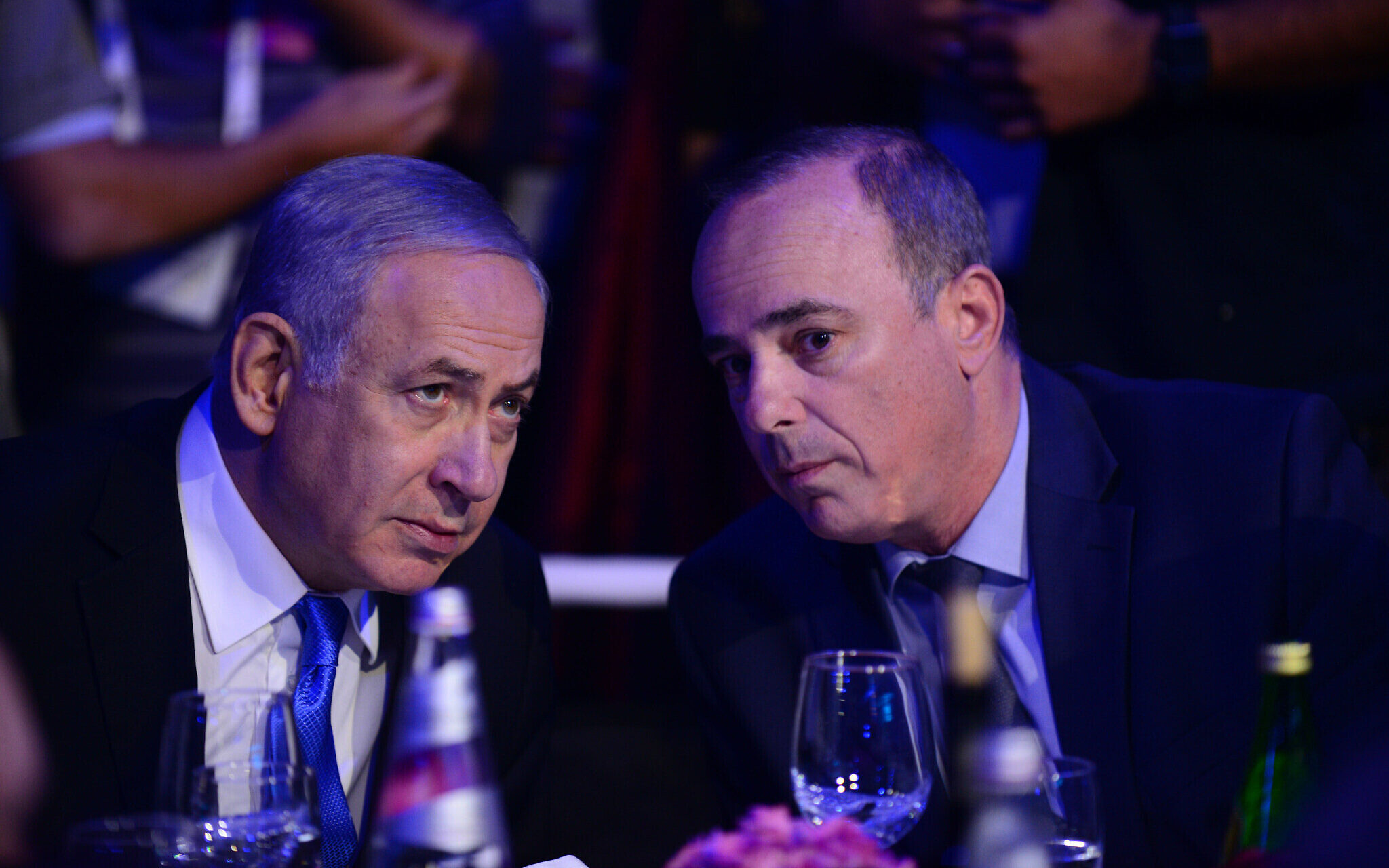
Then-Prime Minister Benjamin Netanyahu with then-Energy Minister Yuval Steinitz at the Prime Minister’s Conference on Fuel Substitutes in Tel Aviv, October 29, 2018. (Tomer Neuberg/Flash90)
Steinitz also said that since Hamas’s October 7, 2023, onslaught, which sparked a multifront war, the two terror groups have launched some 40,000 rockets at Israel.
Iran, he said, has fired about 1,500 ballistic missiles at Israel in two rounds of fighting since 2024 and “only several dozens” were not intercepted.
During the latest war, 21 Israeli civilians and foreign nationals were killed in Israel by Iranian ballistic missiles, along with four Palestinians in the West Bank. Iranian fire during the June 2025 conflict killed 32 people and wounded over 3,000 in Israel, according to health officials and hospitals.
The threat of Iran’s ballistic missiles “remains significant,” but has “been severely damaged,” Steinitz said, according to Hebrew media reports, adding that current estimates put the number of Iranian missiles capable of reaching Israel at “700 to 1,000,” compared to the more than 3,000 the Islamic Republic had before the war.
He also said that if Israel and the US were to resume full-scale attacks on Iran’s missile sites, “it will be possible to erode the remaining stockpile.”
The figures claimed by Steinitz were more bullish than a recent US assessment, which said that Iran has managed to retain 70% of its missiles and 75% of its mobile missile launchers after the US and Israeli strikes on its facilities. It also said that the underground storage facilities have reportedly been restored and reopened over the past month of ceasefire.
Steinitz did not elaborate on Israel’s current interceptor stockpiles or rate of production.
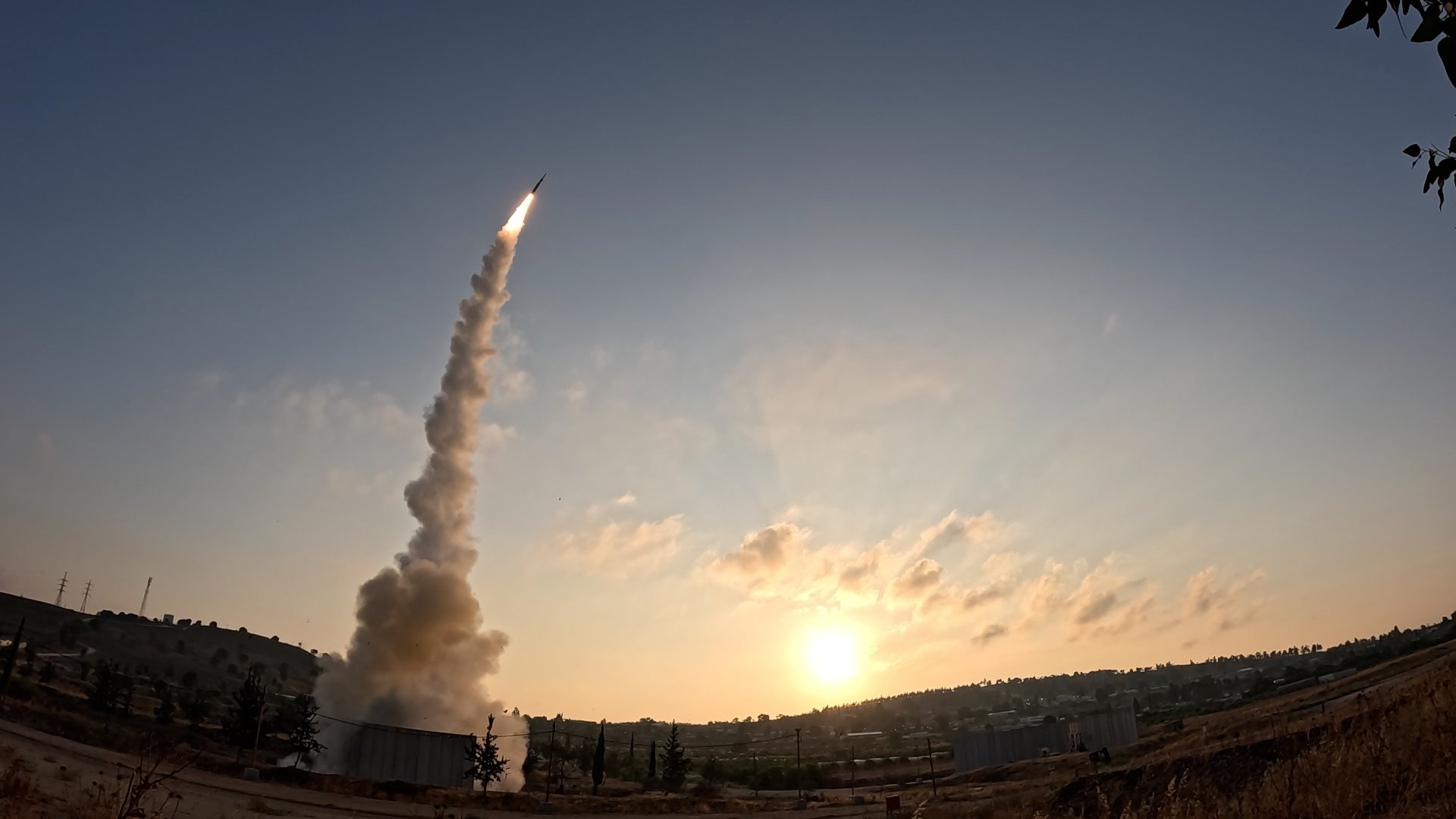
An Arrow anti-missile system fires an interceptor missile during Israel’s 12-day conflict with Iran, in am image cleared for publication on July 1, 2025. (Defense Ministry)
Last month, Israel approved plans to dramatically accelerate production of Arrow interceptor missiles, days before a ceasefire with Iran was announced. That move came weeks before an investigation by Channel 12 reported that Netanyahu’s government repeatedly opted not to increase funding for Arrow 3 interceptor missiles in recent years, despite rising tensions with Iran and multiple large-scale ballistic missile attacks.
Israel has a multi-layered air defense array, with a variety of systems intercepting threats at different altitudes. The Arrow 3 is Israel’s most advanced long-range defense system, meant to intercept ballistic missiles — like the type fired from Iran — while they are still outside the Earth’s atmosphere.
A single Arrow 3 missile has an estimated price of $2-3 million and takes a few months to produce, although the exact time frame has not been made public by Israel due to security concerns.
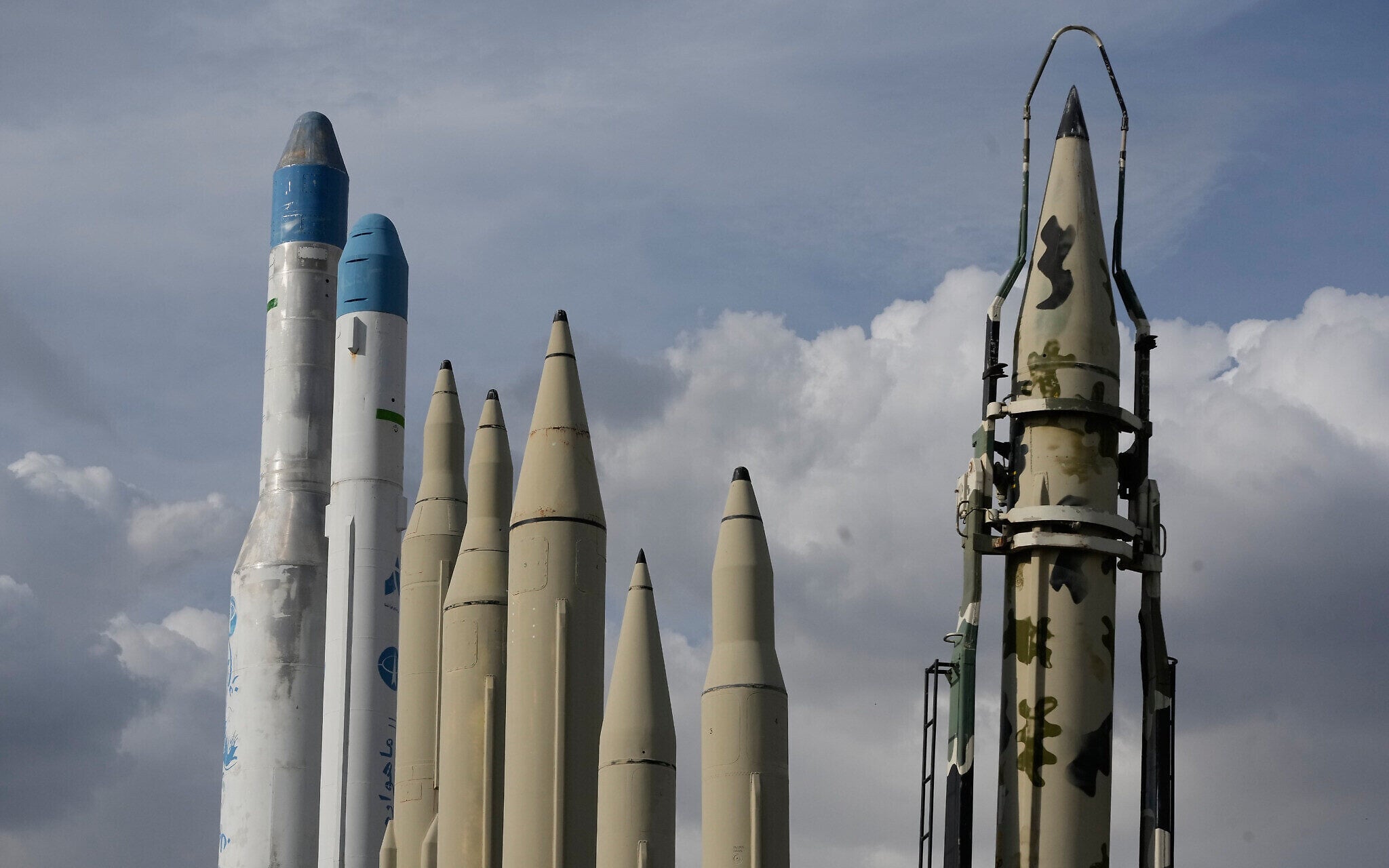
Iran’s domestically built missiles and satellite carriers are displayed in a permanent exhibition at a recreational area in northern Tehran, Iran, March 24, 2026. (AP Photo/Vahid Salemi)
The report also alleged that Iran has produced ballistic missiles at a far higher rate than Israel’s interceptor output, estimating that for every interceptor manufactured in Israel, Tehran produced 10 missiles.
Israeli government and military officials have consistently downplayed the reports, and have insisted that interceptor stockpiles are not running low and that the IDF is fully capable of defending the country from missile attacks.
Which gorgeous bird do you prefer?

THIS MONTH ONLY: Join our reader support group for as little as $6/month and receive an exclusive tote bag featuring one of Israel’s native birds.
Choose between the Duchifat (orange), Israel’s national bird, or the Shaldag (blue), a beloved symbol of the Israeli landscape.
As a member of the Times of Israel Community, you’ll also enjoy:
An ad-free experience of our site and podcasts.
Exclusive access to award-winning films via DocuNation.
Weekly letters from founding editor David Horovitz.
Join ToI Community & claim my bag
Already a member? Sign in to stop seeing this
You’re a dedicated reader

That’s why we started the Times of Israel – to provide discerning readers like you with must-read coverage of Israel and the Jewish world.
So now we have a request. Unlike other news outlets, we haven’t put up a paywall. But as the journalism we do is costly, we invite readers for whom The Times of Israel has become important to help support our work by joining The Times of Israel Community.
For as little as $6 a month you can help support our quality journalism while enjoying The Times of Israel AD-FREE, as well as accessing exclusive content available only to Times of Israel Community members.
Thank you,
David Horovitz, Founding Editor of The Times of Israel