
The heads of Israel’s two main intelligence agencies separately visited the United Arab Emirates in recent months, including during the war with Iran, according to Wednesday reports.
The reported visits are the latest reported signs of increased cooperation between the two countries during the war, including coordinated attacks on Iran, intelligence sharing, detection and interception of Iranian missiles and drones, and selecting Iranian targets.
According to a Wednesday report in the Wall Street Journal, citing Arab officials and other sources, Mossad chief David Barnea visited the UAE at least twice during the war with Iran for meetings with top Emirati officials.
The meetings, which were not officially disclosed by either Israel or the UAE, were for the purpose of “coordination” between Jerusalem and Abu Dhabi about the war, the report said.
The meetings took place in March and April, the sources told the Journal, adding that Barnea secretly traveled to the Gulf state at least twice during the war.
Get The Times of Israel’s Daily Edition
by email and never miss our top stories
By signing up, you agree to the terms
The Prime Minister’s Office and the UAE’s Foreign Ministry did not respond to requests for comment on the report, though a source confirmed Barnea’s UAE visits to the Haaretz daily.
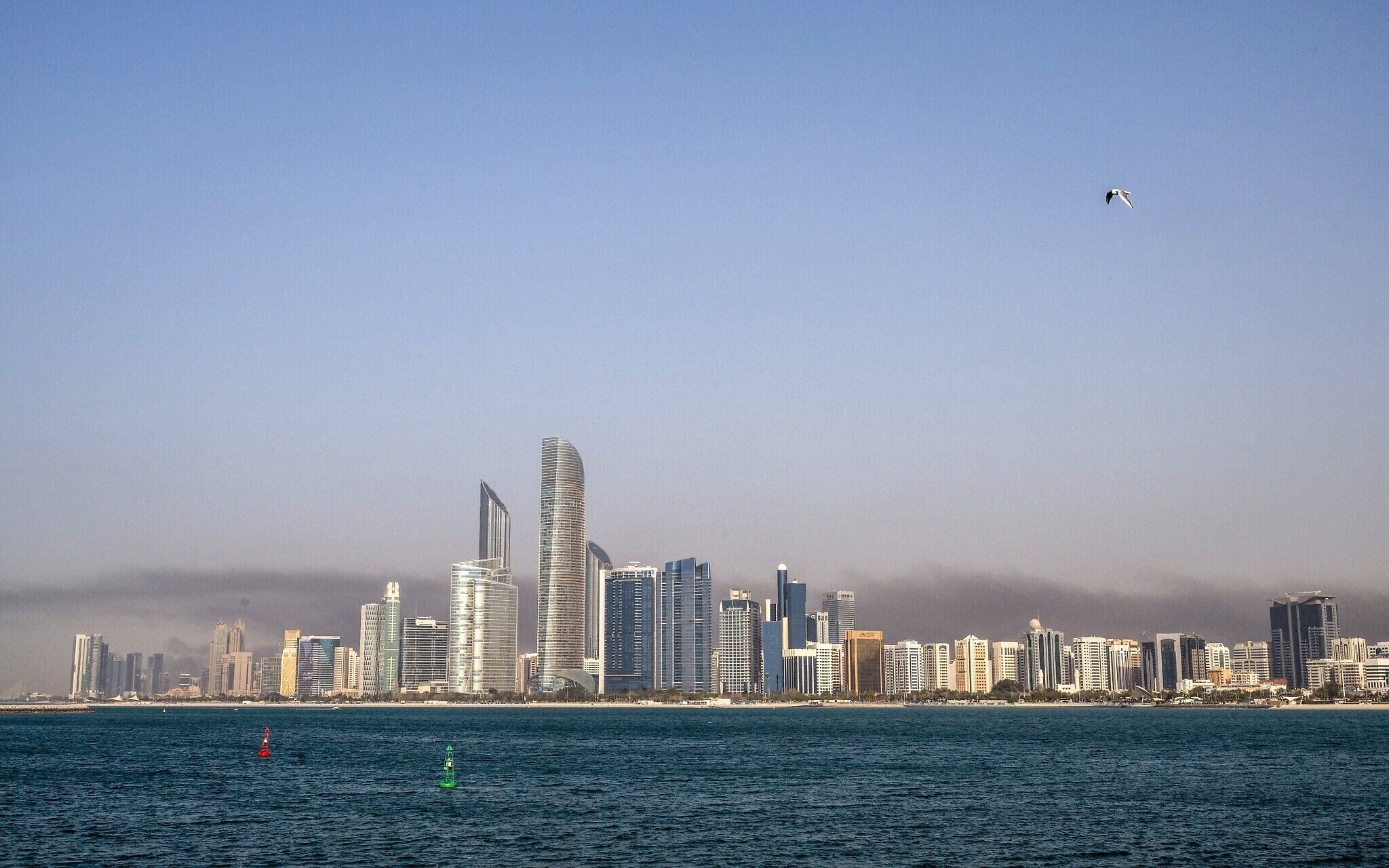
A plume of smoke rises from the Zayed Port following a reported Iranian strike in Abu Dhabi on March 1, 2026. (Ryan Lim/AFP)
Additionally, David Zini, the head of the Shin Bet, Israel’s domestic security and intelligence service, also visited the UAE in recent weeks, the Kan public broadcaster reported Wednesday.
The meeting, like Barnea’s, was to increase coordination between Israel’s intelligence agencies and the UAE’s intelligence and security services.
Neither Israel nor the UAE confirmed Zini’s visit.
According to an earlier report in the Journal, the UAE carried out military strikes in Iran in early April. The strikes, which Abu Dhabi has not publicly acknowledged, included an attack on a refinery on Iran’s Lavan Island in the Persian Gulf.
The attack took place in early April, according to the report, which said it was around the time US President Donald Trump announced a ceasefire, but did not specify if it was before or after the declaration.
Iran acknowledged at the time that the site had been attacked by an unspecified enemy, then responded by firing missiles and drones at the UAE and Kuwait, the Journal noted.
The Lavan Island attack was the only specific instance of the UAE participating in the war mentioned in the report.
During the US-Israel war on Iran, Tehran launched sustained attacks on the UAE, firing some 550 ballistic and cruise missiles and more than 2,200 drones, according to the Emirati defense ministry, making it the most-targeted country in the region, including Israel.
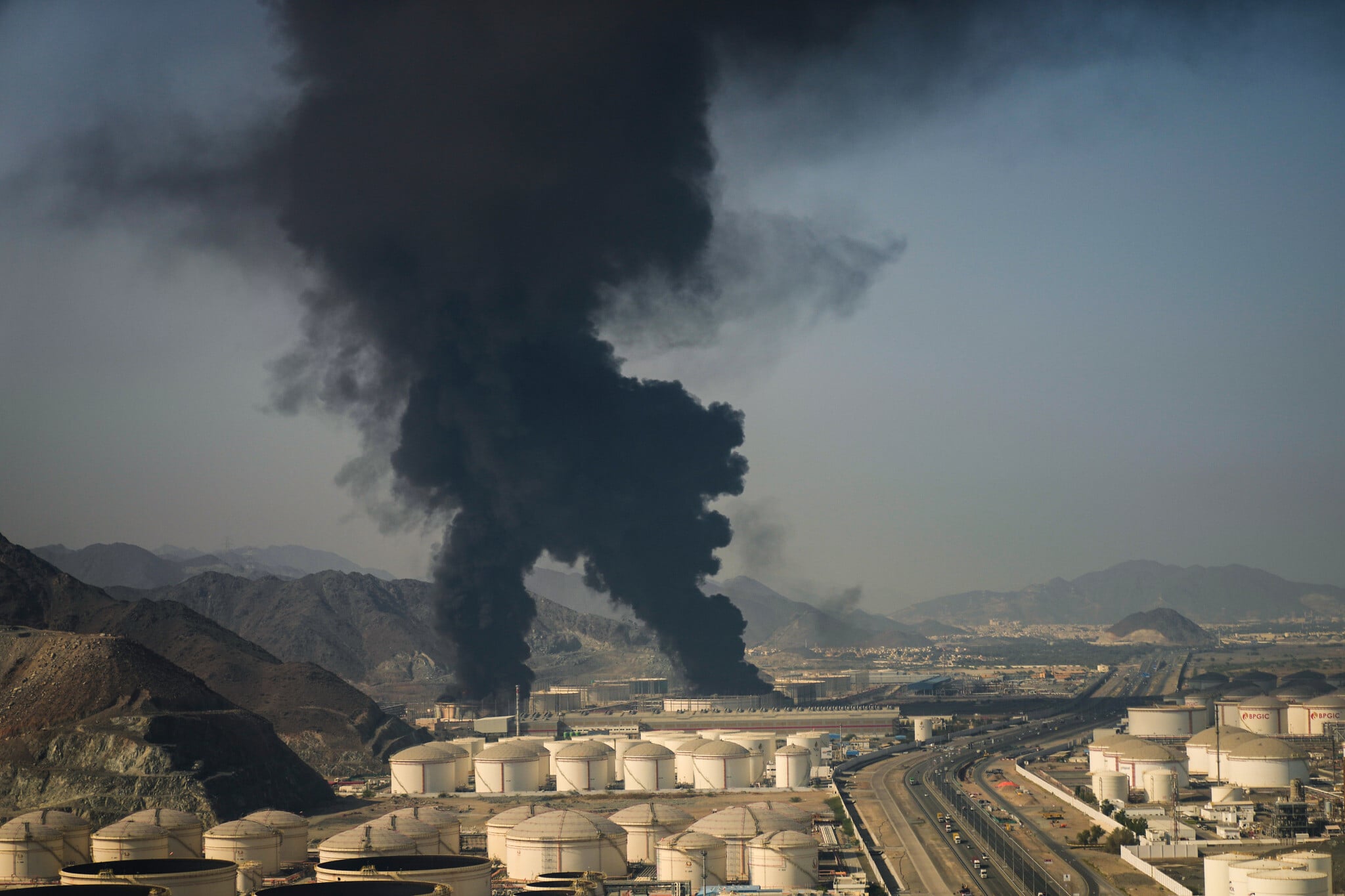
Plumes of smoke rise from an oil facility in Fujairah, United Arab Emirates, March 14, 2026. (AP/Altaf Qadri)
To help protect its Abraham Accords ally, Israel sent an Iron Dome battery and soldiers to operate it to the UAE, American officials said this week, with Israel’s envoy later confirming this.
According to the Journal, Washington positively received Abu Dhabi’s participation in the war, after other Gulf countries refused to actively join in the conflict.
However, a day after that report was published, Reuters reported that Saudi Arabia launched numerous, unpublicized strikes on Iran in retaliation for attacks carried out in the kingdom during the war, citing Western and Iranian officials.
The attacks, launched by the Saudi Air Force, were assessed to have been carried out in late March, the two Western officials said. One said only that they were “tit-for-tat strikes in retaliation for when Saudi [Arabia] was hit.”
In response to a request for comment, a senior Saudi foreign ministry official did not directly address whether strikes had been carried out.
Saudi Arabia, which has a deep military relationship with the United States, has traditionally relied on the US military for protection, but the 10-week war has left the kingdom vulnerable to attacks that have pierced the US military umbrella.
Since the war began, Iran has hit all six Gulf Cooperation Council states with missiles and drones, attacking not only US military bases but civilian sites, airports and oil infrastructure, and closed the Strait of Hormuz, disrupting global trade.
Which gorgeous bird do you prefer?

THIS MONTH ONLY: Join our reader support group for as little as $6/month and receive an exclusive tote bag featuring one of Israel’s native birds.
Choose between the Duchifat (orange), Israel’s national bird, or the Shaldag (blue), a beloved symbol of the Israeli landscape.
As a member of the Times of Israel Community, you’ll also enjoy:
An ad-free experience of our site and podcasts.
Exclusive access to award-winning films via DocuNation.
Weekly letters from founding editor David Horovitz.
Join ToI Community & claim my bag
Already a member? Sign in to stop seeing this
You’re a dedicated reader

That’s why we started the Times of Israel – to provide discerning readers like you with must-read coverage of Israel and the Jewish world.
So now we have a request. Unlike other news outlets, we haven’t put up a paywall. But as the journalism we do is costly, we invite readers for whom The Times of Israel has become important to help support our work by joining The Times of Israel Community.
For as little as $6 a month you can help support our quality journalism while enjoying The Times of Israel AD-FREE, as well as accessing exclusive content available only to Times of Israel Community members.
Thank you,
David Horovitz, Founding Editor of The Times of Israel
Already a member? Sign in to stop seeing this