

Lebanon (MNN) — Peace negotiations between Israel and Lebanon are underway in the United States. The discussions come as the U.S.-backed ceasefire nears its expiration on Sunday.
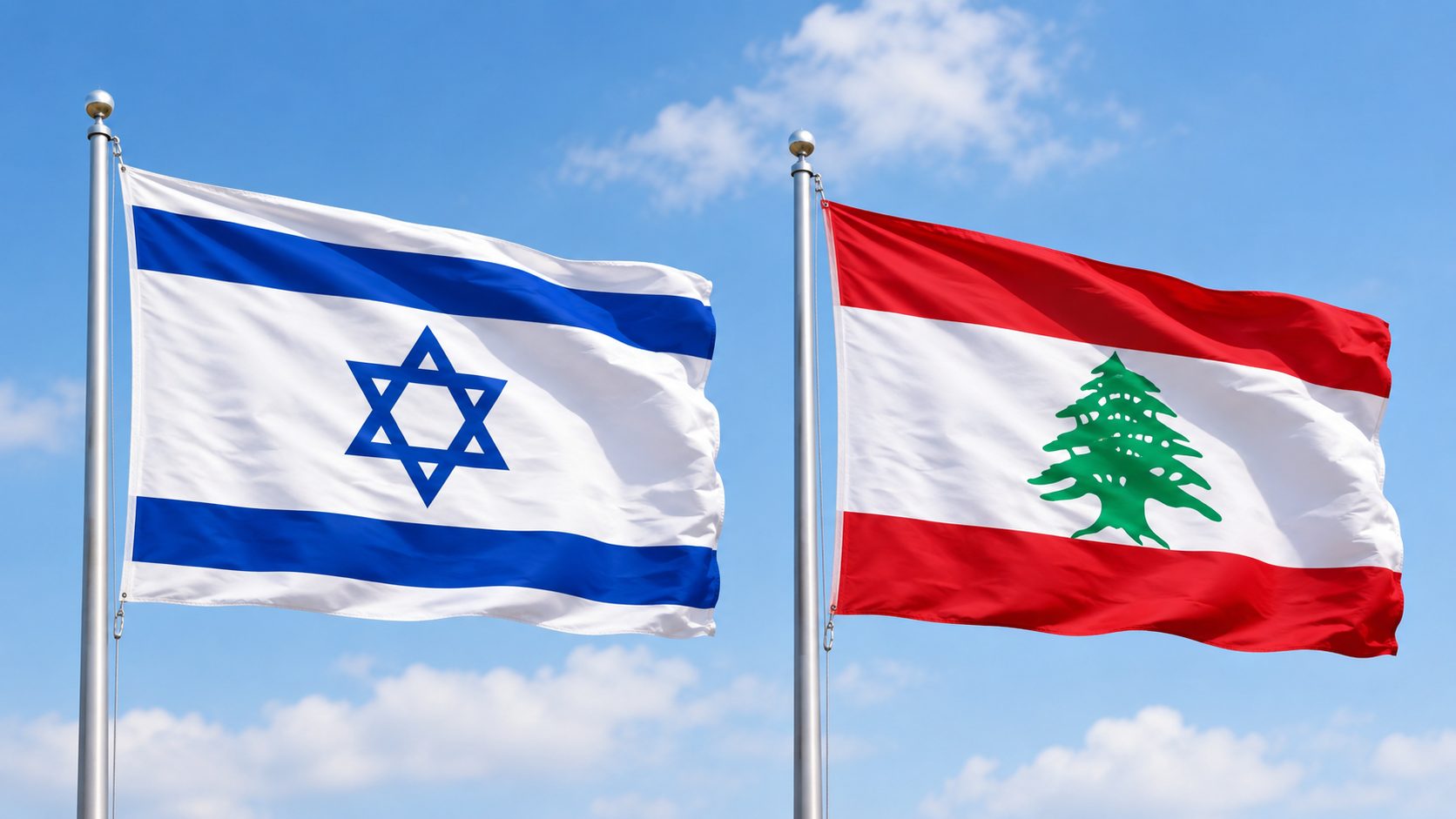
(AI-generated photo by ChatGPT)
Nuna of Triumphant Mercy Lebanon says, “The peace talk is not just military; though, of course, it involves the military side, it’s much more than this.”
As part of the peace talks, U.S. President Donald Trump is urging Lebanon’s government to repeal a 1955 law.
“In our Constitution, there is a [clause] that says Lebanon has no connection with Israel, so we need to change that clause,” Nuna explains.
Under that 1955 law, “everything is very, very closed, and people are not allowed to have any communication with Israelis,” she continues.
“We don’t have the right to have any communication – by phone, by message, anything – with anyone in Israel. [If suspected,] you have to go to Security, where they will ask you questions, take your phone, and check it.”
If negotiations succeed and the Lebanese government normalizes relations with Israel, Nuna says, “Everything will change, not just on the political ground, but it’s going to change the whole face of Lebanon.”
The cost of peace
Although a ceasefire has been in place since mid-April, the Iranian-backed terror group Hezbollah continues to attack Israel.
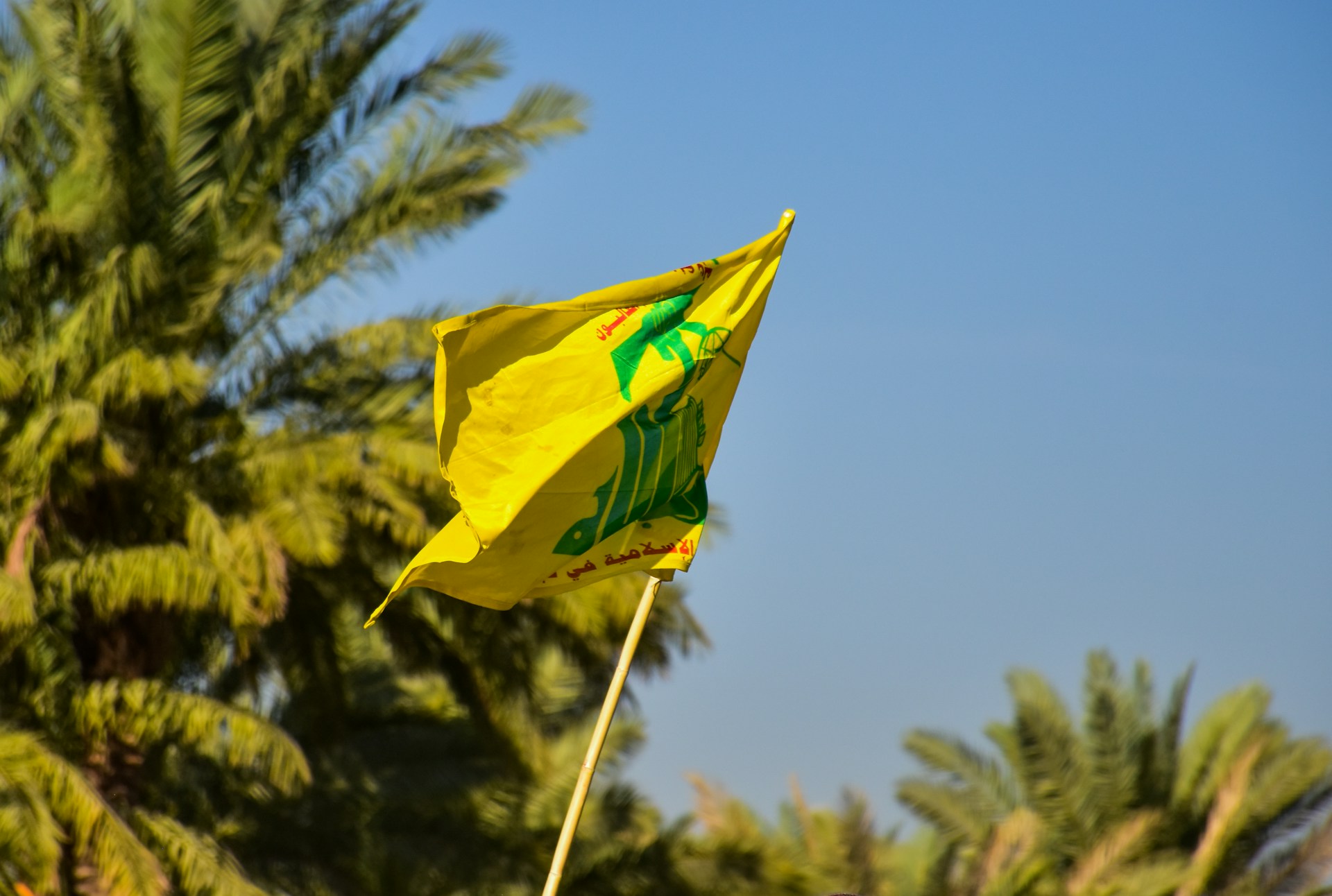
Hezbollah flag
(Photo courtesy mhrezaa/Unsplash)
“Hezbollah is affiliated with Iran and wants to keep Iranian influence over Lebanon, but Lebanon is trying to get free from it. The whole contention is between these two,” Nuna says.
Lebanese people remain divided over an alliance with Iran. Though Hezbollah represents approximately one-third of Lebanon’s population – followers of Shia Islam – representatives of other major groups seek peace.
“Lebanon submitted an official complaint against Iran for the first time this week. This is unprecedented,” Nuna says.
Lebanon’s government is taking steps toward peace with Israel and independence from Iran – but at a cost. “The Shiite community is really strong in saying, ‘We don’t want this,’” Nuna says.
“The threats in the streets [are] that ‘We’re going to turn our weapons against all the people who are for the change and for the peace treaty.’ It’s becoming like a civil war.”
Nuna says these threats raise an important question: “Do we go through a civil war so that we can have peace, or do we forget the peace and keep the status quo in Lebanon with Hezbollah in charge?”
Christian aid
Fighting between Hezbollah and Israel has driven more than one million people from their homes in southern Lebanon. “There are so many displaced people,” Nuna says.
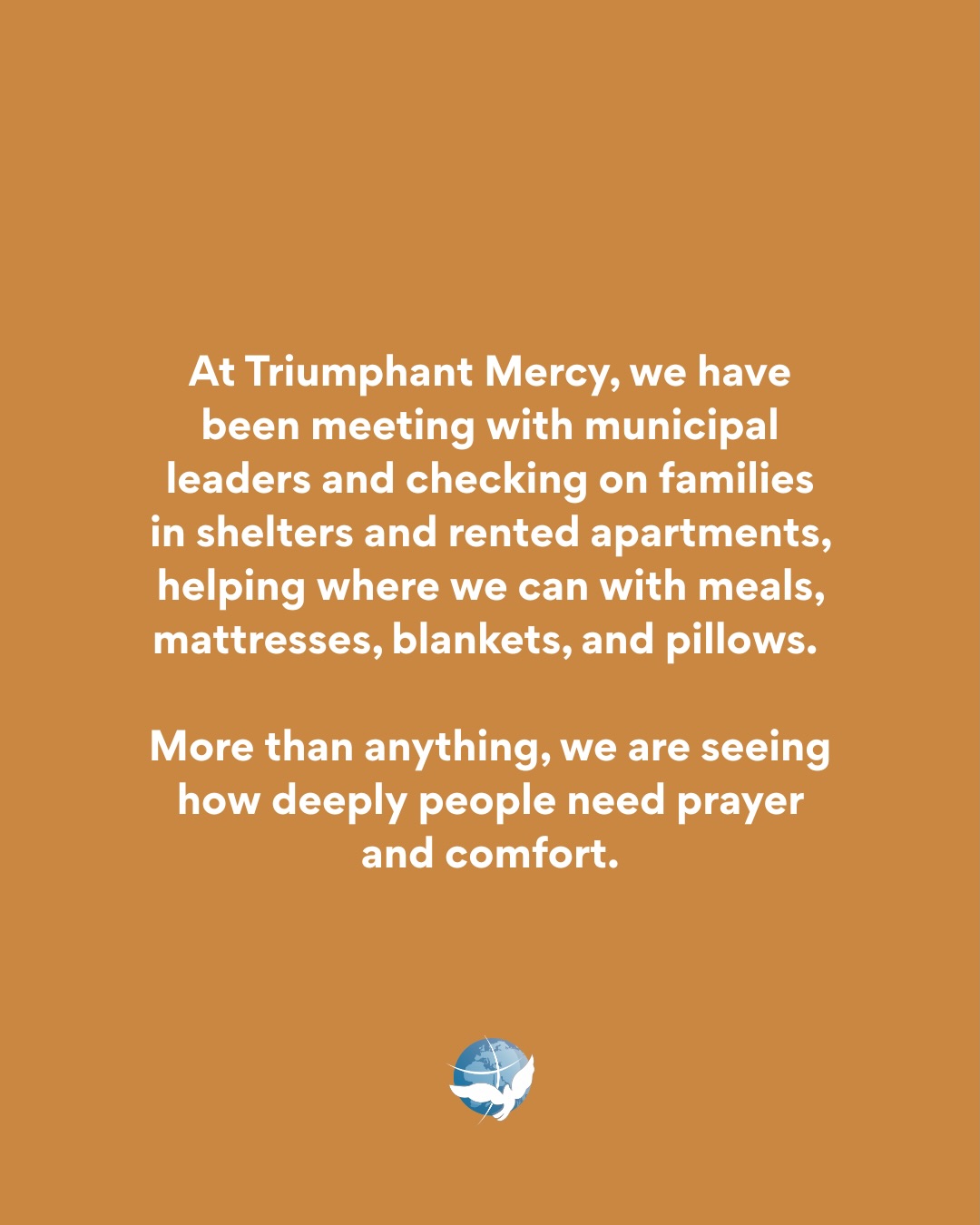
(Graphic courtesy Triumphant Mercy Lebanon)
“They have no homes, no shelter, no food, no revenue, no work – nothing. We’re still there to help them, but we’re also trying to talk about this peace.”
Pray for Lebanese Christians as they care for displaced people in Jesus’ name, and partner with Triumphant Mercy Lebanon to support relief efforts.
“We need to not only bring in humanitarian aid, but also talk about God’s purposes and God’s ways and God’s plan, and bring people into alignment with God,” Nuna says.
“It’s not just a one-way Gospel, just salvation and that’s it, it’s also realignment with God’s purposes.”
Header image depicts working-level peace talks between Israel and Lebanon at the White House in Washington, D.C., April 23, 2026. (Official State Department photo by Freddie Everett)