
A 21-year-old US citizen studying at a Haredi yeshiva in Jerusalem was indicted in the city’s District Court on Friday for allegedly sending information to Iranian intelligence in exchange for hundreds of dollars.
Eli Levon, then a student at the large Mir yeshiva in Mea She’arim, received $861.35 in cryptocurrency from a Telegram chat app account called “Sina” in December, and another $517.78 in cryptocurrency from an account called “Alecsander” in February, prosecutors said.
He was arrested on June 9 and is charged with contact with a foreign agent and providing information that could benefit an enemy, according to the indictment.
The tasks Levon performed allegedly included sending photographs of Jerusalem’s Central Bus Station; hiding a cigarette box with a note reading “the work is done” in the Hadar Mall; and buying a USB flash drive, wrapping it in a NIS 50 bill and planting it in a central Jerusalem eatery.
However, the indictment said that Levon refused a request by Alecsander in February to send a list of fellow Mir yeshiva students.
Get The Times of Israel’s Daily Edition
by email and never miss our top stories
By signing up, you agree to the terms
Levon performed the tasks despite having “reasonable basis” to assume the accounts acted on behalf of Iranian intelligence, prosecutors said.
Police had on Tuesday already announced that a US national arrested for spying for Iran was set to be charged, but the specifics of the case were under a gag order.
Levon is one of dozens of people, mostly Israeli citizens, who have been arrested in Israel in recent months for allegedly cooperating with Iran-linked agents via social media in exchange for money. Agents usually start out assigning Israeli recruits mundane tasks such as vandalism, but the requests often escalate into serious offenses like espionage and intelligence gathering.
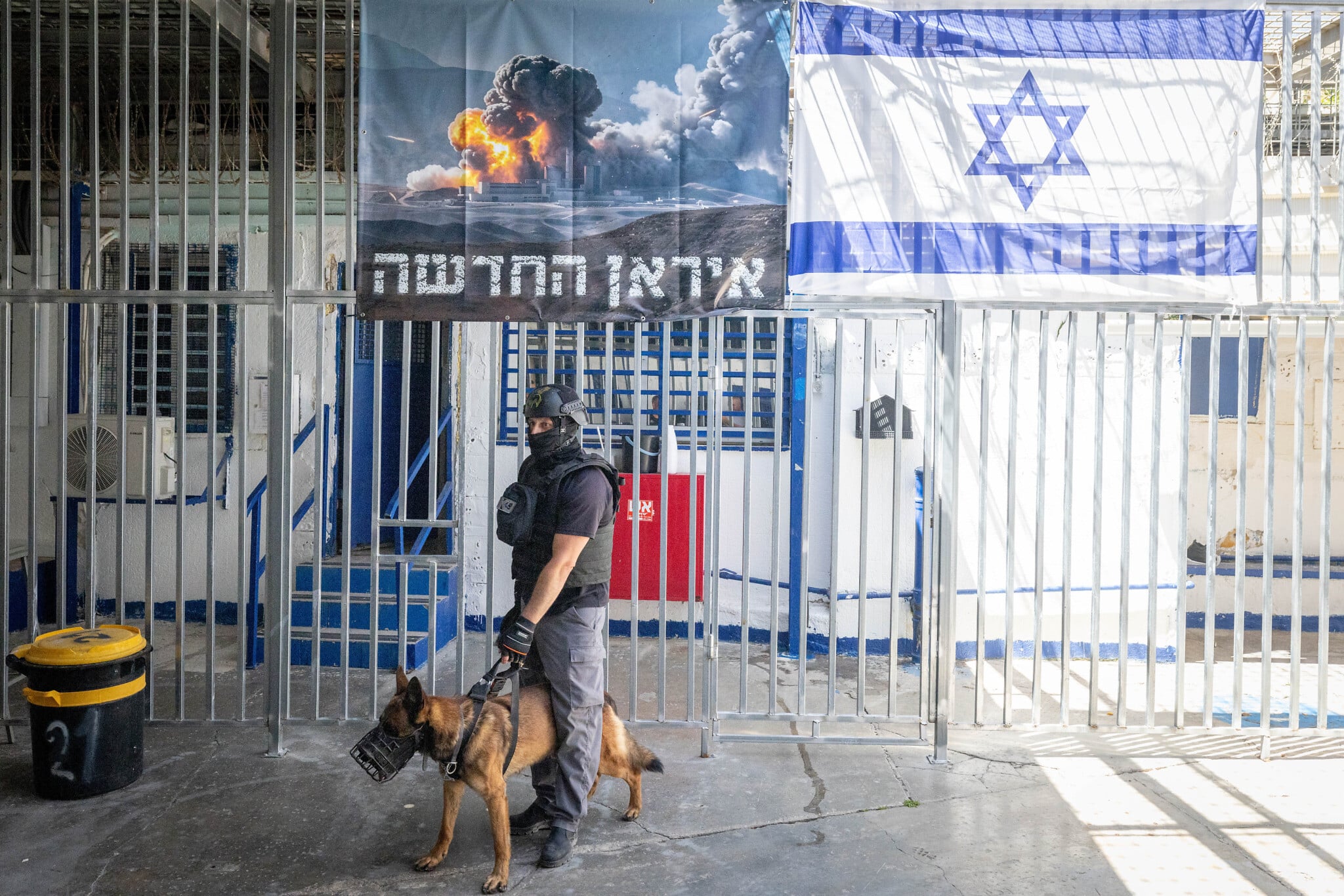
Illustrative: Prison guards operate in a special wing of the Damon Prison established for Israelis accused of spying for Iran, in the Druze town of Daliyat al-Karmel, northern Israel, July 1, 2025. (Chaim Goldberg/Flash90)
The indictment against Levon said that while visiting family in the US in November, he used a pseudonymous Telegram account to respond to a wanted ad in a chat group called “Yeshivot Telegram.”
About a month later, while Levon was on the plane home, he was contacted by Sina, who offered money for pictures and videos from Israel, according to the indictment.
Levon allegedly took up the offer, sent videos from the plane and after landing to prove his identity and location, and received $30 from Sina via a digital wallet.
Later tasks from Sina included hiding the cigarette box and photographing the bus station, a grocery store and an abandoned building in Jerusalem’s Bukharan neighborhood, according to the indictment
In his final task from Sina, Levon was asked to send a picture of himself and his passport, prosecutors said. Levon performed the task, but, fearing his personal information would be abused, blocked Sina’s account soon afterward, they said.
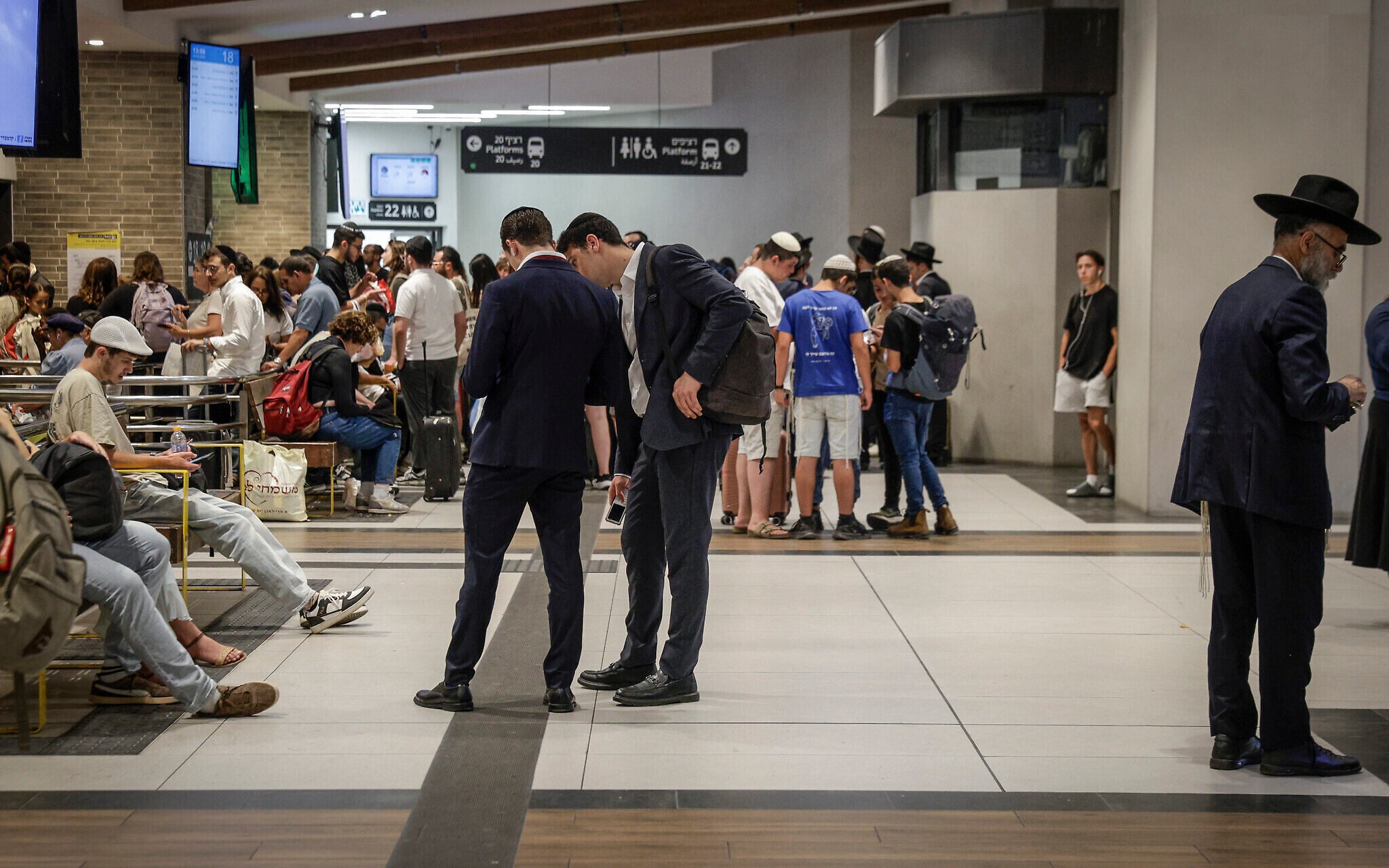
Illustrative: Passengers wait at the Jerusalem Central Bus Station on June 5, 2026. (Rachel Alroey/Flash90)
Then, at or near the start of 2026, the Alecsander Telegram account made Levon a similar offer of money in exchange for footage from Jerusalem, which Levon again agreed to, the indictment said.
The tasks allegedly also included sending footage from inside a grocery store, as well as hiding the USB flash drive at the Jerusalem eatery on February 23, five days before the US and Israel launched the war against Iran in a bid to curtail its nuclear program.
The fighting with Iran entered a truce on April 8, and the US and Iran are engaged in peace talks based on a memorandum of understanding reached last month. Israel is not a party to the understanding or the negotiations, and Israeli officials have criticized the document for failing to secure a concrete concession from Iran on the nuclear program.
Charlie Summers contributed to this report.
We can’t do this work alone.

The war with Iran has been draining for all of us in Israel. But when I heard about a high casualty incident – ballistic missile impacts in Arad and Dimona that left nearly 200 people wounded – I drank a cup of coffee, packed a bag, and headed south.
There, I spoke with Shilgit, the head of an after-school program for underprivileged youth. Standing outside her destroyed center, Shilgit said it was a miracle that no children were hurt and spoke about the community coming together in the hours since.
As a Times of Israel reporter, I’m committed to telling stories of resilience like Shilgit’s. But my colleagues and I can’t do this alone. If you value work like this, please consider joining our reader support group, The Times of Israel Community. Your financial support is essential to keep real human reporting like this going.
— Stav Levaton, military reporter
Already a member? Sign in to stop seeing this
You’re a dedicated reader

That’s why we started the Times of Israel – to provide discerning readers like you with must-read coverage of Israel and the Jewish world.
So now we have a request. Unlike other news outlets, we haven’t put up a paywall. But as the journalism we do is costly, we invite readers for whom The Times of Israel has become important to help support our work by joining The Times of Israel Community.
For as little as $6 a month you can help support our quality journalism while enjoying The Times of Israel AD-FREE, as well as accessing exclusive content available only to Times of Israel Community members.
Thank you,
David Horovitz, Founding Editor of The Times of Israel