
Government ministers on Sunday joined thousands of settler activists in a march through a closed military zone to the Gaza border, flouting the orders of IDF officers at the scene in a show of support for Jewish settlement of the territory.
The “March of Thousands,” marking 21 years since Israel’s evacuation of its Gush Katif settlement bloc inside the Gaza Strip, drew leading politicians from the religious Zionist camp, such as National Security Minister Itamar Ben Gvir and Finance Minister Bezalel Smotrich, as well as politicians from Prime Minister Benjamin Netanyahu’s Likud party.
According to event organizers in the Nachala settler group, a total of 28 ministers and coalition lawmakers attended the event. A spokeswoman called the support from more mainstream elements of the Israeli right “very significant”relative to previous attempted marches into the Strip.
The marchers did not appear to succeed in crossing into Gaza.
The Israel Defense Forces declared the area surrounding Gaza a closed military zone ahead of the march, from Sunday at 8 a.m. until the same time on Monday.
Get The Times of Israel’s Daily Edition
by email and never miss our top stories
By signing up, you agree to the terms
Despite the order — and the hundreds of police officers and IDF soldiers dispatched to the scene — the marchers gathered at 5 p.m. near Zikim Beach, and within less than ten minutes, managed to pass the first army roadblock.
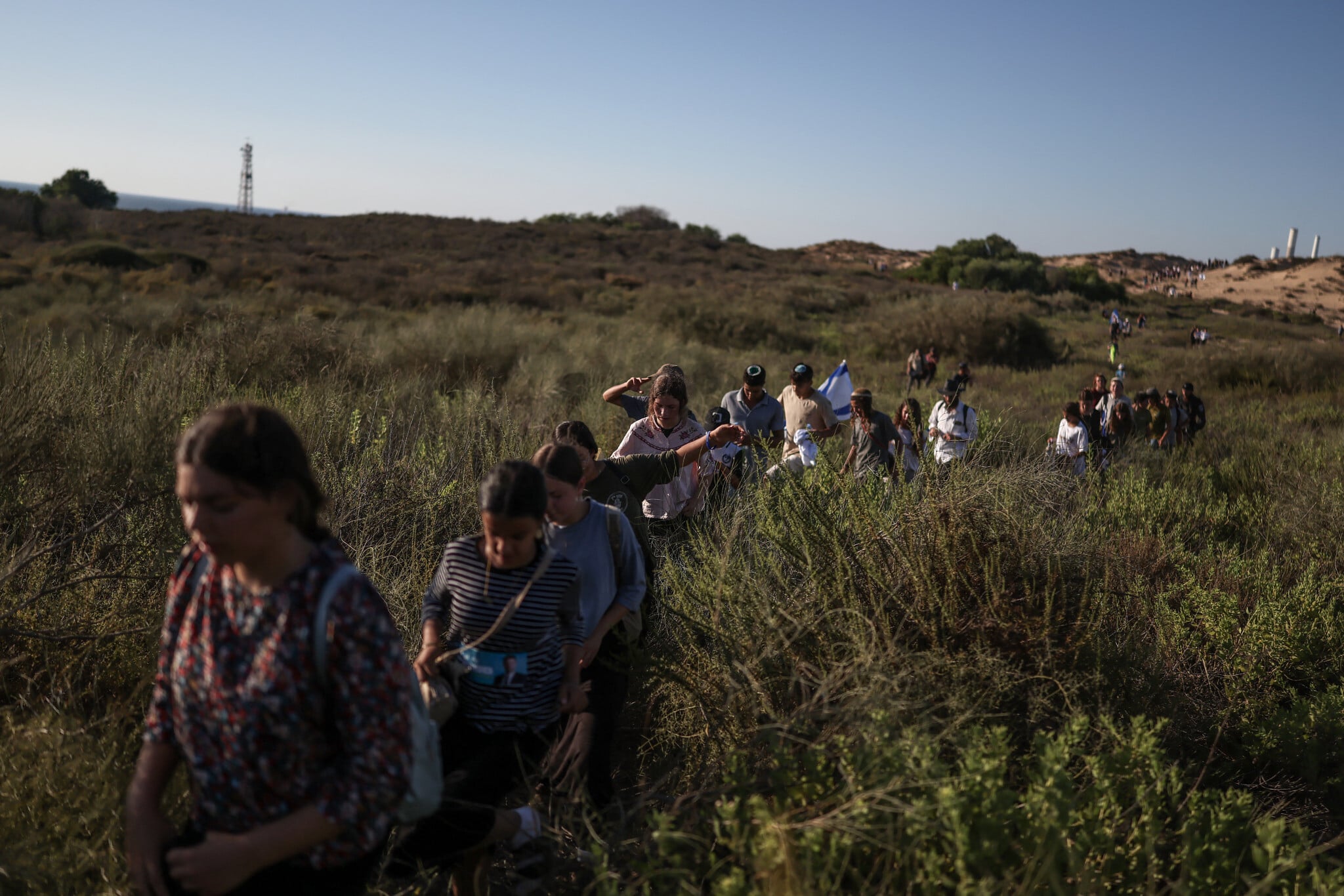
This picture taken from a position on the Israeli border with the Gaza Strip shows settler activists attempting to make their way into the Palestinian territory on July 19, 2026. (Ilia YEFIMOVICH/AFP)
When marchers began to cross past the checkpoint, soldiers appeared visibly agitated but refrained from making arrests, and retreated to a point further down the route, erecting another roadblock.
This pattern repeated itself before marchers reached the Gaza border fence, with The Times of Israel witnessing participants skirt at least four roadblocks erected by the army as they inched closer and closer to the Strip, with some nearing the frontier in an anarchic procession southward.
Younger and more agile marchers initially traipsed up sand dunes, through brush and over barbed wire to reach their destination, as army jeeps and ATVs were blocking the roads. As security forces let their guard down, larger families began to proceed down the paved road without interference.
Religious Zionist marchers sang and chanted gleefully during the procession. Many wore stickers reading, “Gaza is ours forever,” and held flags calling to build a Third Temple. Some participants attended alone, but the vast majority came with their families.
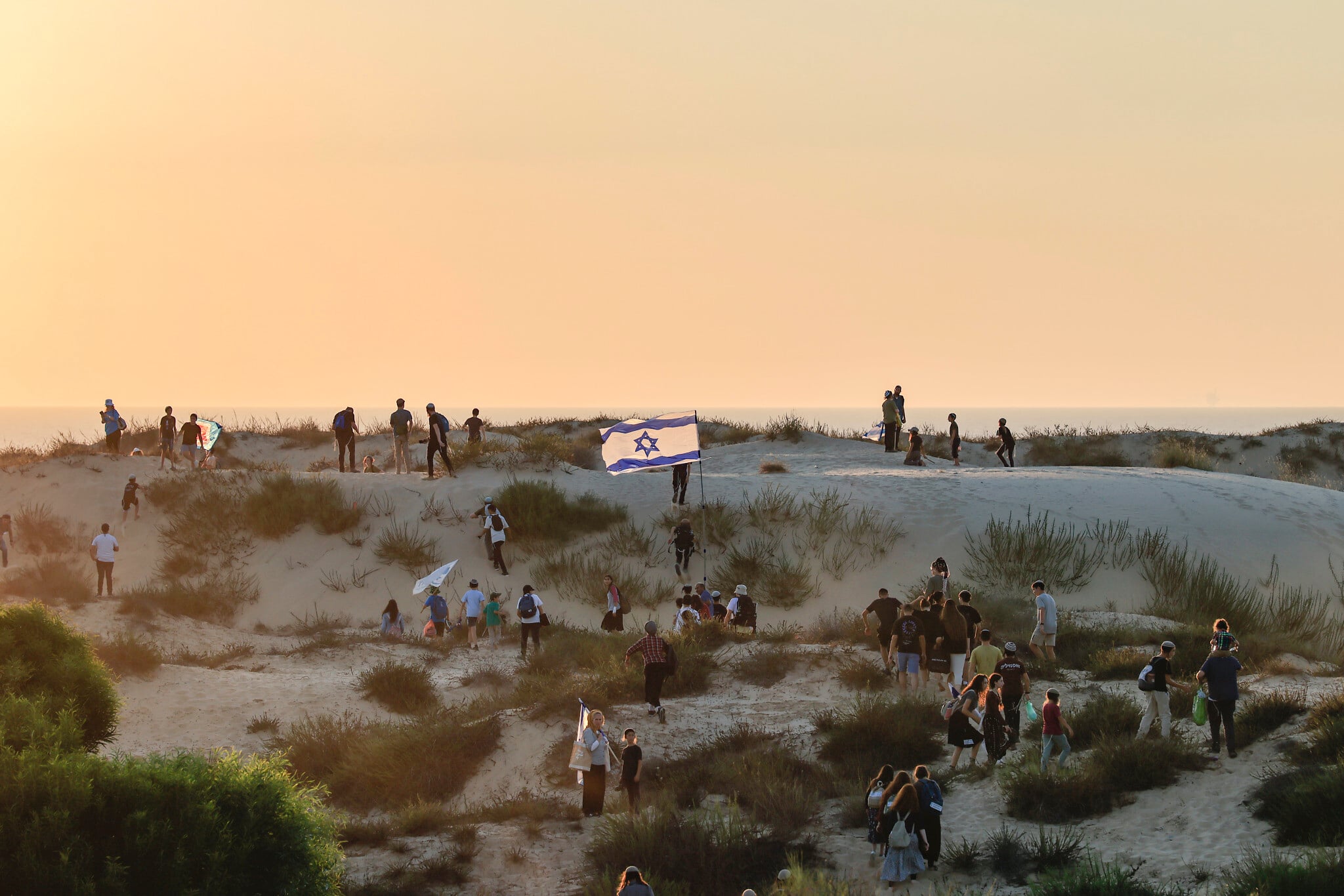
Israeli settler activists march through southern Israel toward the Gaza border as they call to resettle the Palestinian enclave, on July 19, 2026. (Tsafrir Abayov/Flash90)
Nachala claimed shortly before the march set out that organizers had reached an agreement with the army permitting them to gather at the entrance to Zikim Beach, though several IDF officers at the scene insisted no such permit was given for the march to proceed.
“Thank you to the tens of thousands that came as close as possible to our Gaza region with a clear call: we are settling Gaza now!” read a statement from Nachala.
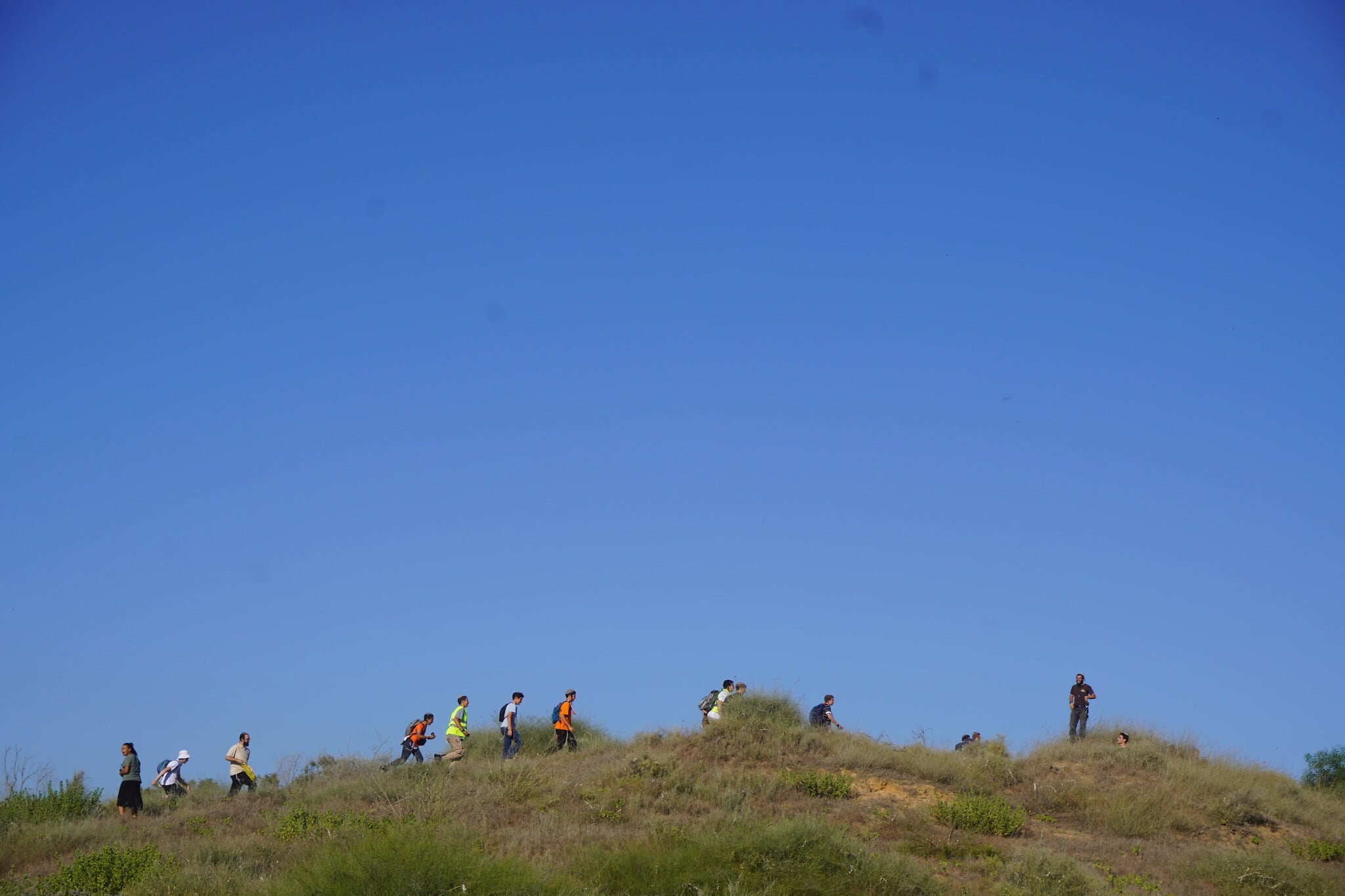
Settler activists hike up a hill in an attempt to evade IDF forces and police during a march towards the Gaza border, in favor of Jewish settlement in the territory, on July 19, 2026. (Charlie Summers/Times of Israel)
According to organizers, the march was aimed at pressuring the government to sign off on the reestablishment of three evacuated settlements in northern Gaza — Elei Sinai, Dugit and Nisanit.
The official endpoint was atop a hill with a view of what was once Elei Sinai. Many of the marchers made it to the site, where they erected an Israeli flag. Nachala’s founder, Daniella Weiss, went back and forth down the road, urging participants to complete the march’s final leg.
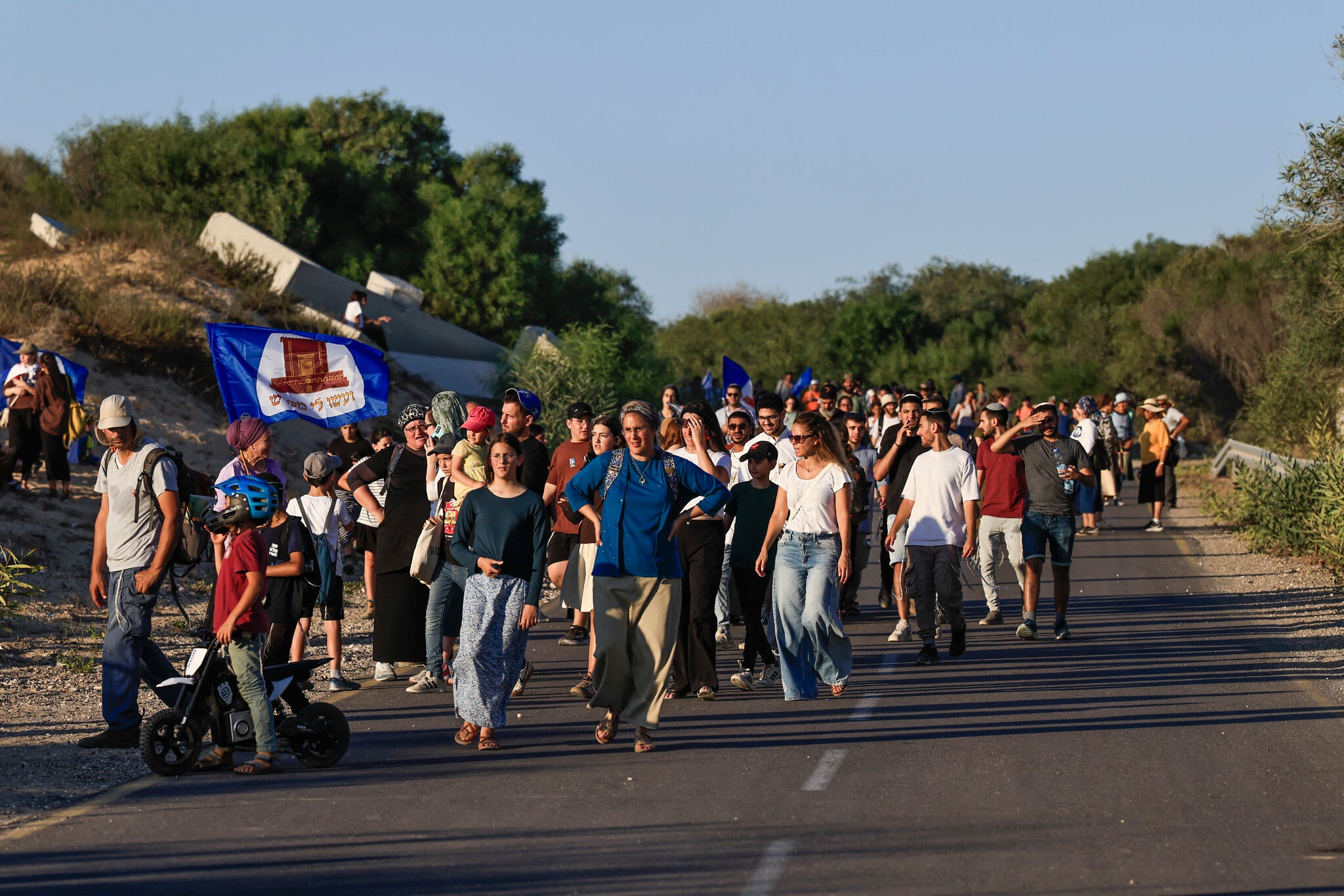
Jews who support the re-establishment of Israeli settlements in the Gaza Strip march near the Israeli border with Gaza, in southern Israel, on July 19, 2026. (Tsafrir Abayov/Flash90)
Ben Gvir, meanwhile, commended the marchers and expressed his wish for Jewish settlement throughout Gaza. “If they had said three years ago that we would control 70% of the territory of the Gaza Strip, no one would have believed it,” he said.
“I say from here: There will be Jewish settlement in all of Gaza. Encourage voluntary immigration [of Palestinians to other countries], send those who need it to their countries. And we return home. Gaza is ours,” he continued.
Speaking about a kilometer from the border, Communications Minister Shlomo Karhi of Likud also expressed his support for Jewish settlement in Gaza, calling to “settle in all the regions of land granted to our forefathers, to show our enemies that it’s not worth messing with us, to show a meaningful picture of victory.”

Communications Minister Shlomo Karhi greets a participant in a march to the Gaza border in support of Jewish settlement in the territory on July 19, 2026. (Charlie Summers/Times of Israel)
Karhi went on to urge Israelis to “plant deep roots in every land granted to our forefathers, including the Gaza region.”
Smotrich was seen shaking hands with and offering his support to the marchers near the beginning of the route. “God forbid, if the left comes to power, this whole thing could go down the drain, and we will march here again to prevent evictions and destruction,” he said.
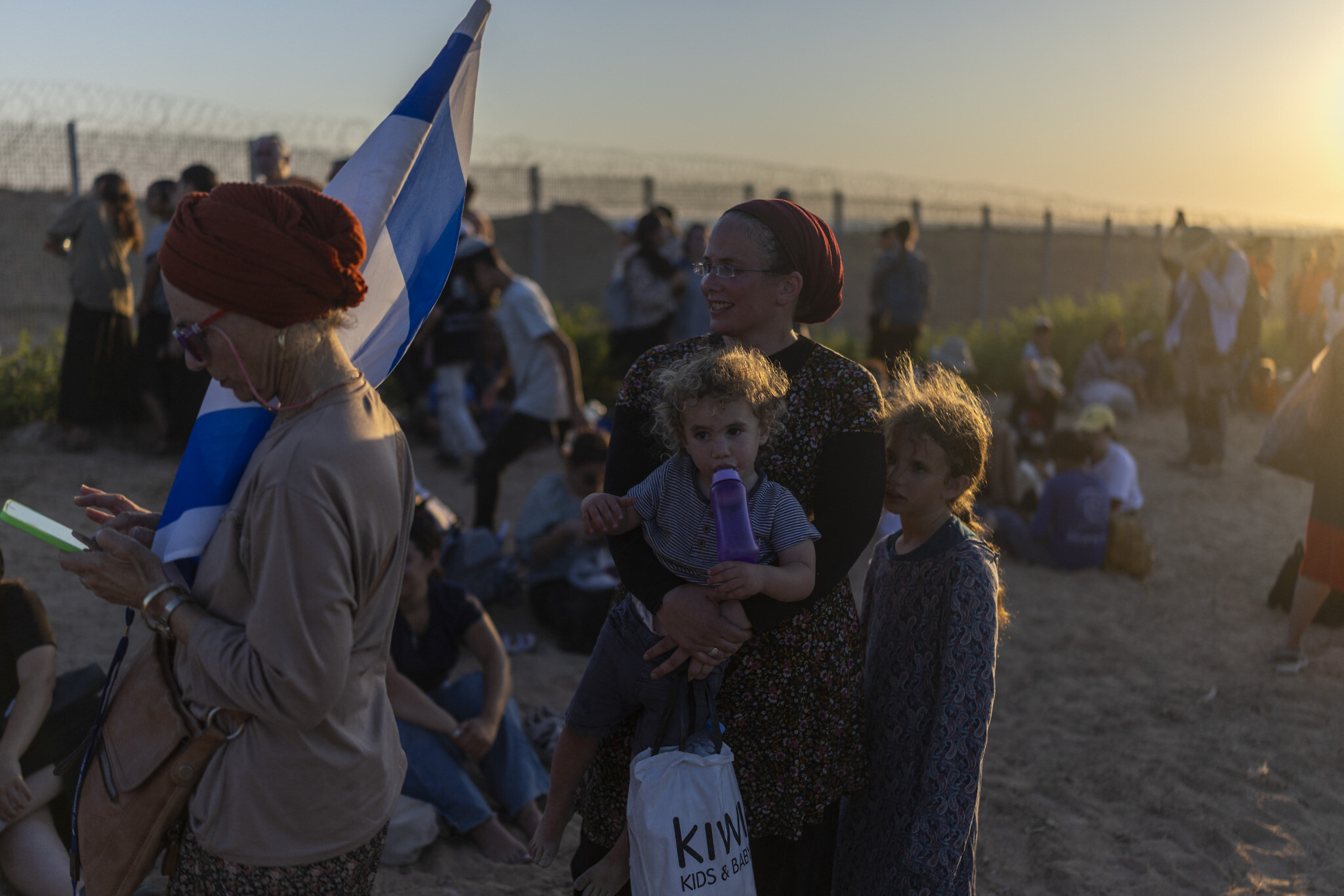
Israeli right-wing activists advocating Jewish settlement in Gaza gather on the border with the Gaza Strip as they attempt to cross over into the territory on July 19, 2026. (Ilia Yefimovich/AFP)
Thousands attended the march, though exact estimates varied. Police told the Ynet outlet that some 5,000 people joined in the procession, while organizers insisted the number was closer to 15,000.
We can’t do this work alone.

The war with Iran has been draining for all of us in Israel. But when I heard about a high casualty incident – ballistic missile impacts in Arad and Dimona that left nearly 200 people wounded – I drank a cup of coffee, packed a bag, and headed south.
There, I spoke with Shilgit, the head of an after-school program for underprivileged youth. Standing outside her destroyed center, Shilgit said it was a miracle that no children were hurt and spoke about the community coming together in the hours since.
As a Times of Israel reporter, I’m committed to telling stories of resilience like Shilgit’s. But my colleagues and I can’t do this alone. If you value work like this, please consider joining our reader support group, The Times of Israel Community. Your financial support is essential to keep real human reporting like this going.
— Stav Levaton, military reporter
Already a member? Sign in to stop seeing this
You’re a dedicated reader

That’s why we started the Times of Israel – to provide discerning readers like you with must-read coverage of Israel and the Jewish world.
So now we have a request. Unlike other news outlets, we haven’t put up a paywall. But as the journalism we do is costly, we invite readers for whom The Times of Israel has become important to help support our work by joining The Times of Israel Community.
For as little as $6 a month you can help support our quality journalism while enjoying The Times of Israel AD-FREE, as well as accessing exclusive content available only to Times of Israel Community members.
Thank you,
David Horovitz, Founding Editor of The Times of Israel