
A group of college students shuffled into a hotel conference room in Jerusalem on a recent Monday evening, settling in to hear a lecture about modern Israeli history after a long day visiting the Yad Vashem Holocaust museum and the Mount Herzl military cemetery.
Three days into what was for most students their first visit to Israel, they had already taken in a lot.
“A lot of us were surprised to learn how deeply ingrained IDF service is within Israeli society,” said Noah Schranz, a Jewish student leader on the tour. “After all the accusations we’ve heard that Israeli soldiers are ‘baby killers,’ our group spoke with normal 20-year-old kids who look just like us, and many of them have friends who were killed by Hamas.”
There would be many more eye-opening lessons for the 15 non-Jewish student leaders from the University of California, Los Angeles, who came on the 10-day visit sponsored by the Maccabee Task Force. The trip was designed to help the school’s estimated 3,000 Jews build allies on a campus that has been one of America’s most high-profile flashpoints for protests following the Hamas atrocities of October 7, 2023.
“I didn’t know much about the conflict before I came,” said Daniel Diercks, a UCLA senior majoring in psychology, who said he now plans to organize outreach events with Jewish students next year at the campus ministry he works with. “Now, I feel really invested in the issues.”
Get The Times of Israel’s Daily Edition
by email and never miss our top stories
By signing up, you agree to the terms
In addition to the anti-Israel rallies, encampments, and the recent student council condemnation of a talk by former Israeli hostage Omer Shem Tov, many of UCLA’s 31,000 undergraduates feel a constant and overwhelming pressure to pick a side in the Israel-Palestinian conflict, according to Dan Gold, executive director of UCLA’s Hillel.
“The biggest thing that changed on campus after October 7, beyond how ugly, intimidating and violent things got, was the fact that, almost overnight, Jewish students didn’t know who had their backs anymore,” said Gold, who estimated that about 10% of the student body is Jewish.
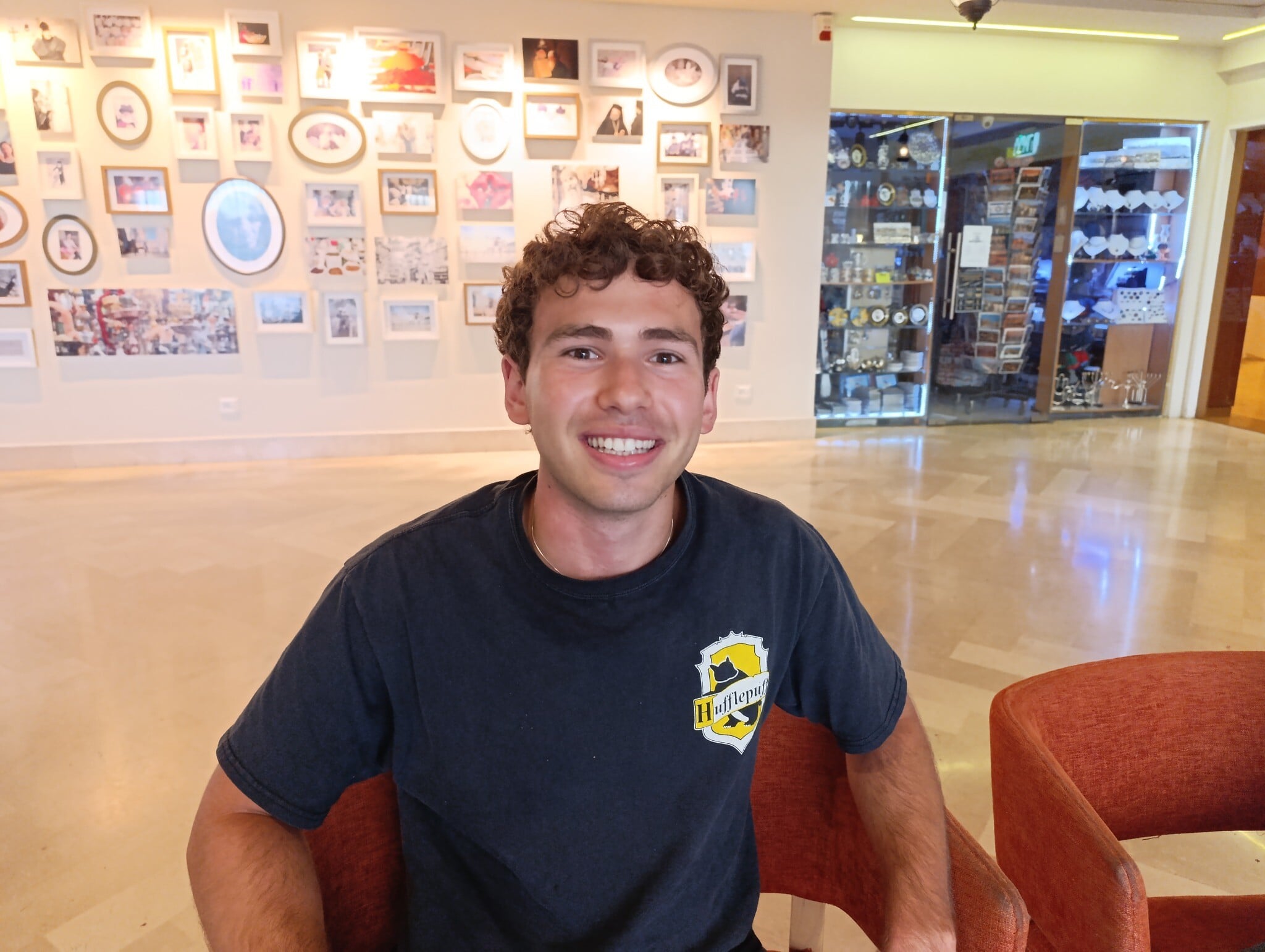
UCLA student Noah Schranz on a Maccabee Task Force trip to Israel, July 6, 2026. (Zev Stub/Times of Israel)
“The anti‑Zionist movement is basically telling people, ‘You’re either with us or against us.’ That’s a hard thing for 18- and 19‑year‑olds to deal with,” he said.
MTF is a nonprofit founded in 2015 by the late billionaire philanthropist Sheldon Adelson and his wife, Dr. Miriam Adelson, to build alliances with non-Jewish students on campuses steeped in anti-Israel and antisemitic sentiment. Alongside partnerships with campus partners such as Hillel and Chabad, the organization is best known for bringing non‑Jewish student leaders on trips of 8-10 days to learn about the complexity of the conflict from both sides.
“We know that trips to Israel are a powerful tool to connect young Jews and even young evangelicals to Israel,” said MTF founding executive director David Brog. “[We’ve] found that most anti-Israel student leaders are not antisemites. They’re typically good people who believe the ugly false narrative about Israel that dominates their spaces. When we destroy that narrative, we change the student.”
UCLA, one of the country’s highest-profile centers of anti-Israel activism, was among the first to host an MTF trip, Gold said, adding that the results have proven themselves.
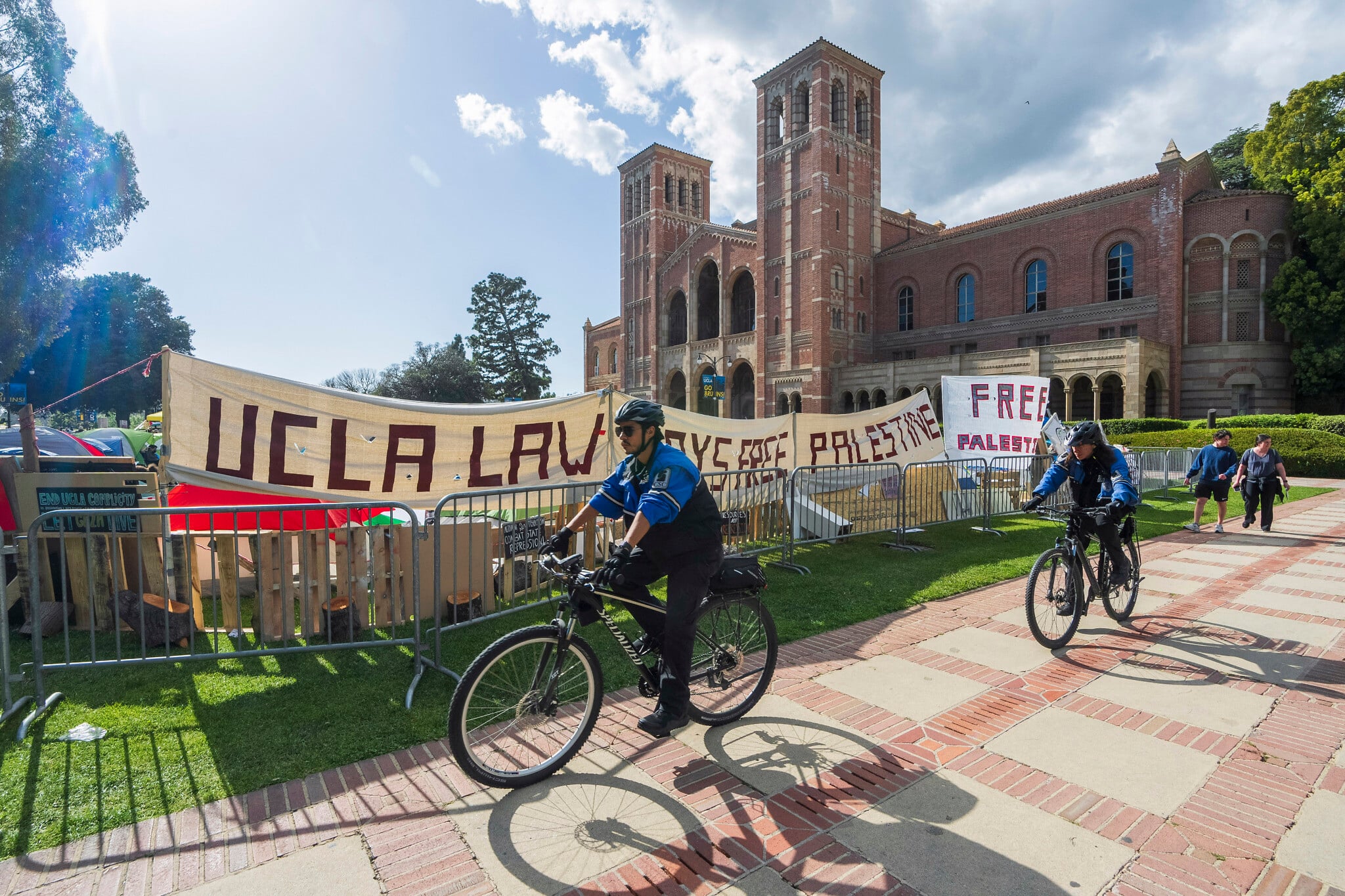
UCLA campus police cycle around the perimeter of a pro-Palestinian encampment on the UCLA campus April 26, 2024, in Los Angeles. (AP Photo/Damian Dovarganes)
“The most basic types of wins are when participants come back to campus and decide to run programs to promote dialogue between Jewish students and other groups,” Gold said. “It could be a program about a holiday, or food, or politics — just the willingness to organize such programs is a big step.”
Some have taken bigger steps. One participant, Aaden Poyuzina, created a campus organization called Common Ground Collective to create community events for dialogue between students of different faiths.
“He is the only student leader that I know of who has gotten a Jewish student and an Arab student to be in the same room talking about their backgrounds,” Gold said.
Losing friends over a free trip to Israel
But even getting students to come on a free trip wasn’t easy, Gold said. In addition to the uncertainties surrounding the US-Israel war with Iran in March, many started to face intense scrutiny from their peers when they said they were going.
“There was a lot of pressure on them, but in some ways, the act of coming on this trip was a rejection of that dynamic,” Gold said. “A few of them have told us that they’ve lost friends over this, or been asked why they are supporting baby killers, things like that. But by coming, they are saying that they don’t accept that they have to choose a side in order to learn and ask questions.”
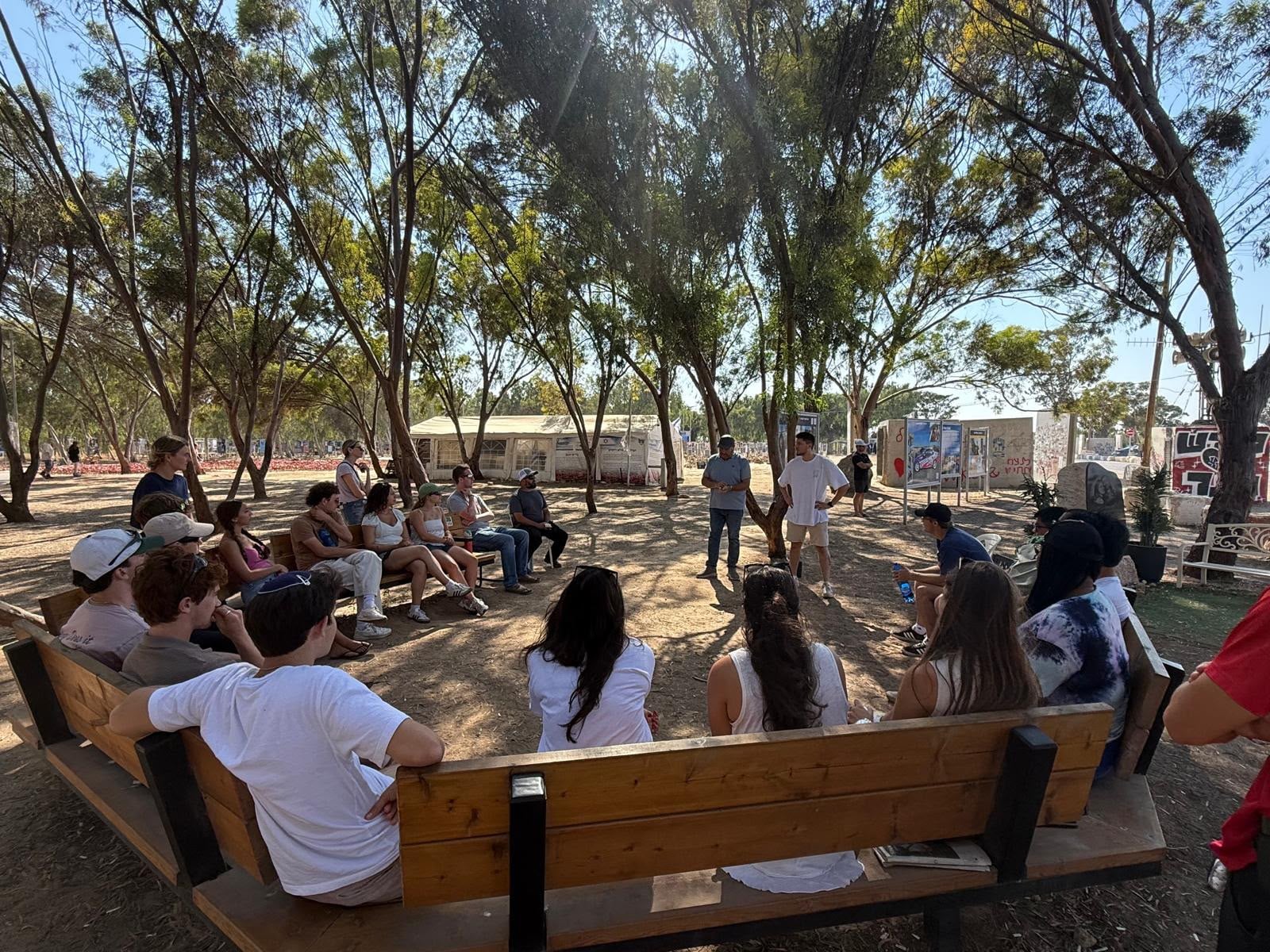
UCLA students at the site of The Nova Festival in southern Israel during a Maccabee Task Force trip to Israel, July 2026. (UCLA Hillel)
Anti-Israel activism has been a feature of UCLA for years, with movements calling on the university to divest from Israel dating back to at least 2014.
But tensions spiked shortly after the Hamas atrocities of the October 7, 2023, came to light, as pro-Palestinian, anti-Israel groups, led primarily by Students for Justice in Palestine, organized marches demanding that the university divest from companies supplying weapons to Israel.
The following spring, a heavily fortified anti-Israel encampment in the school’s quad attracted nationwide attention for blocking Jewish and Israeli students from accessing classrooms and campus libraries. Tensions culminated in overnight violence on April 30, when counter-protesters attacked the site. It was hours before police intervened and subsequently dismantled the encampment, arresting over 200 demonstrators.
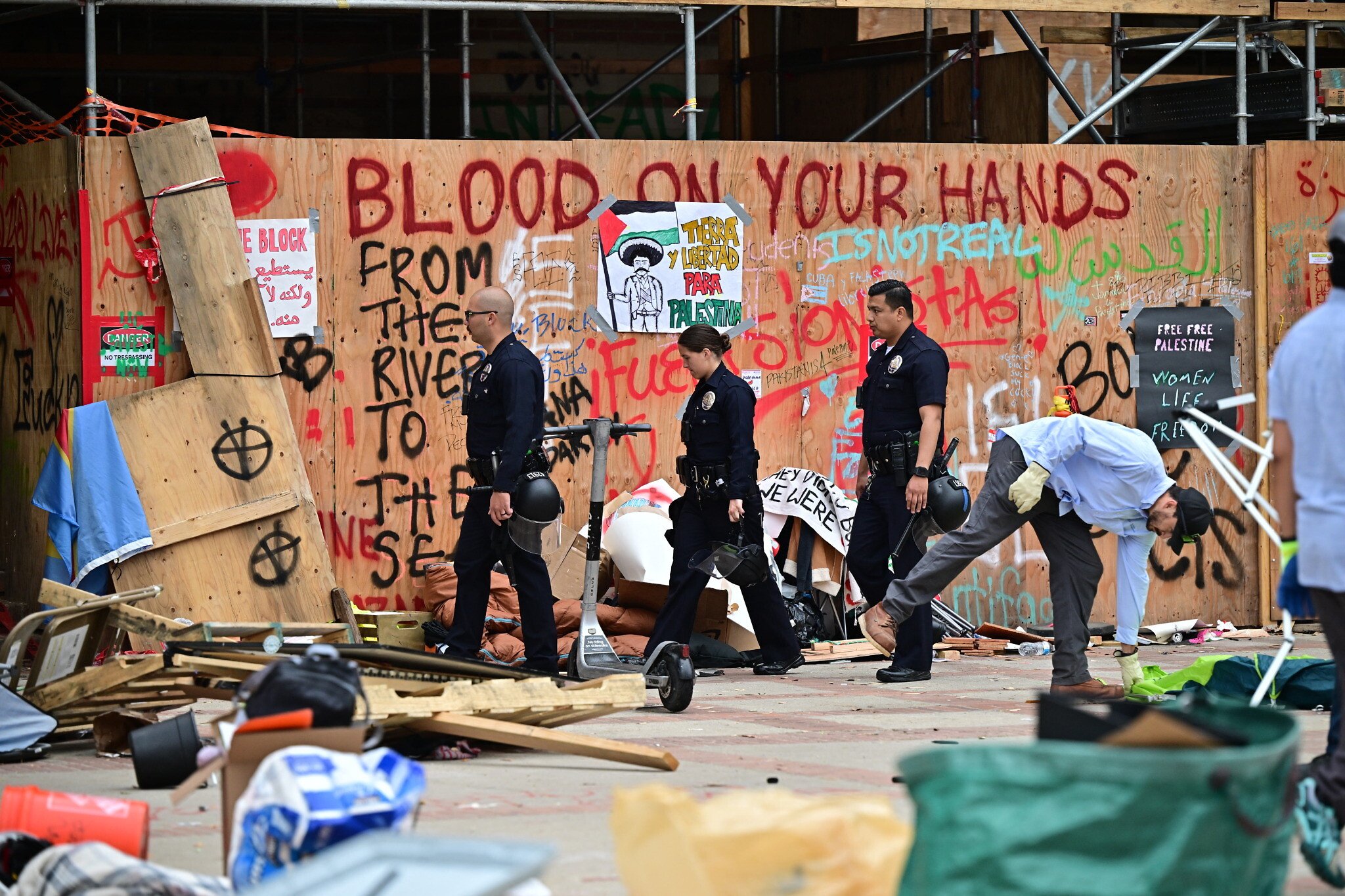
Police patrol as workers clean up anti-Israel graffiti at the University of California, Los Angeles (UCLA) campus after police evicted pro-Palestinian, anti-Israel protesters, May 2, 2024. (Frederic J. Brown/AFP)
Over the following months, the university faced legal action, as the federal government accused UCLA of “deliberate indifference” to discrimination under Title VI of the Civil Rights Act of 1964. The suit charged that the university enabled a hostile environment where Jewish and Israeli students were systematically excluded from campus facilities.
Several student organizations, including SJP, were suspended for violating campus rules, while strict new guidelines governing public demonstrations were put into place. Pro-Palestinian vigils and demonstrations continue to occur, but they are now met with greater security and enforcement, the university says.
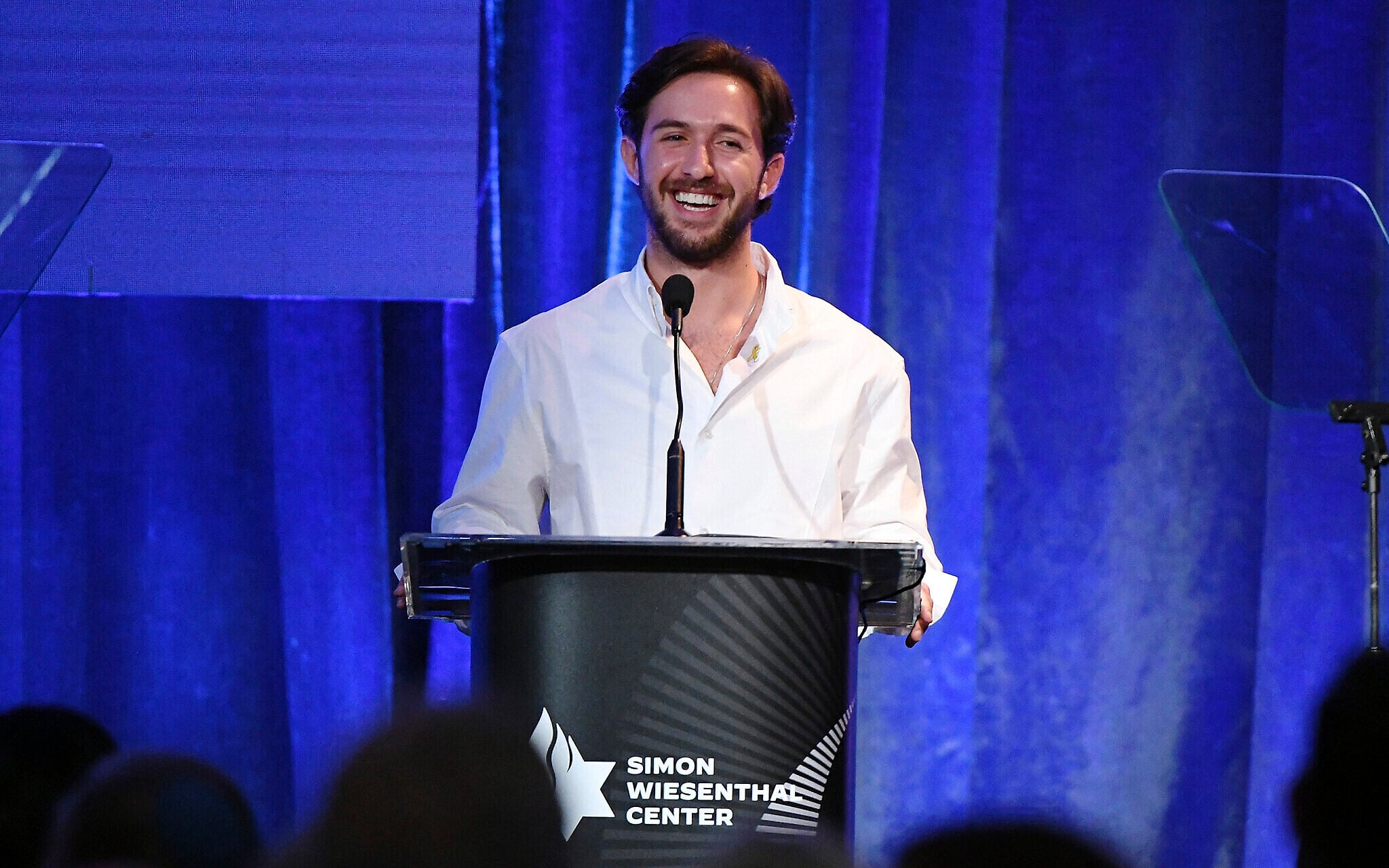
Omer Shem Tov speaks onstage during the humanitarian award dinner for Warner Bros. Discovery President and CEO David Zaslav, presented by the Simon Wiesenthal Center on October 30, 2025, in Beverly Hills, California. (Jon Kopaloff/Getty Images for Simon Wiesenthal Center/AFP)
When former Israeli hostage Omer Shem Tov spoke at a campus event on Israeli Holocaust Remembrance Day, the event proceeded peacefully, and when UCLA’s Undergraduate Students Associated Council (USAC) wrote a letter condemning the talk for “selective platforming,” university leaders and Jewish student groups responded immediately with “disgust.”
But Jewish students are still afraid to identify with anything relating to Israel, Schranz said.
“I haven’t experienced real antisemitism myself, but whenever I tell people I’m going to Israel, I see that the mood changes,” he said. “A lot of my friends are scared to say anything, or they’ll lie about their visits here. It’s not a fear of violence, it’s about being excluded and isolated from everything.”
Optimism for the future
Despite the hostile climate, Jewish life at UCLA has been expanding, Gold said. The Hillel house he runs provides a coffee shop, daily lunch and dinner programs, study spaces, workshops, classes, and over 25 student‑run clubs ranging from cultural and political groups to religious societies, he said. On a typical weekday, he added, 400–500 students pass through the building, an all-time high.
Other organizations, such as Chabad, Olami, and the Orthodox Union’s Jewish Learning Initiative on Campus, add additional layers of Jewish education and culture, Gold said.
Meanwhile, participants on the trip said their experiences in Israel had opened their eyes to the reality on the ground, and that they looked forward to using their newfound knowledge to educate others.
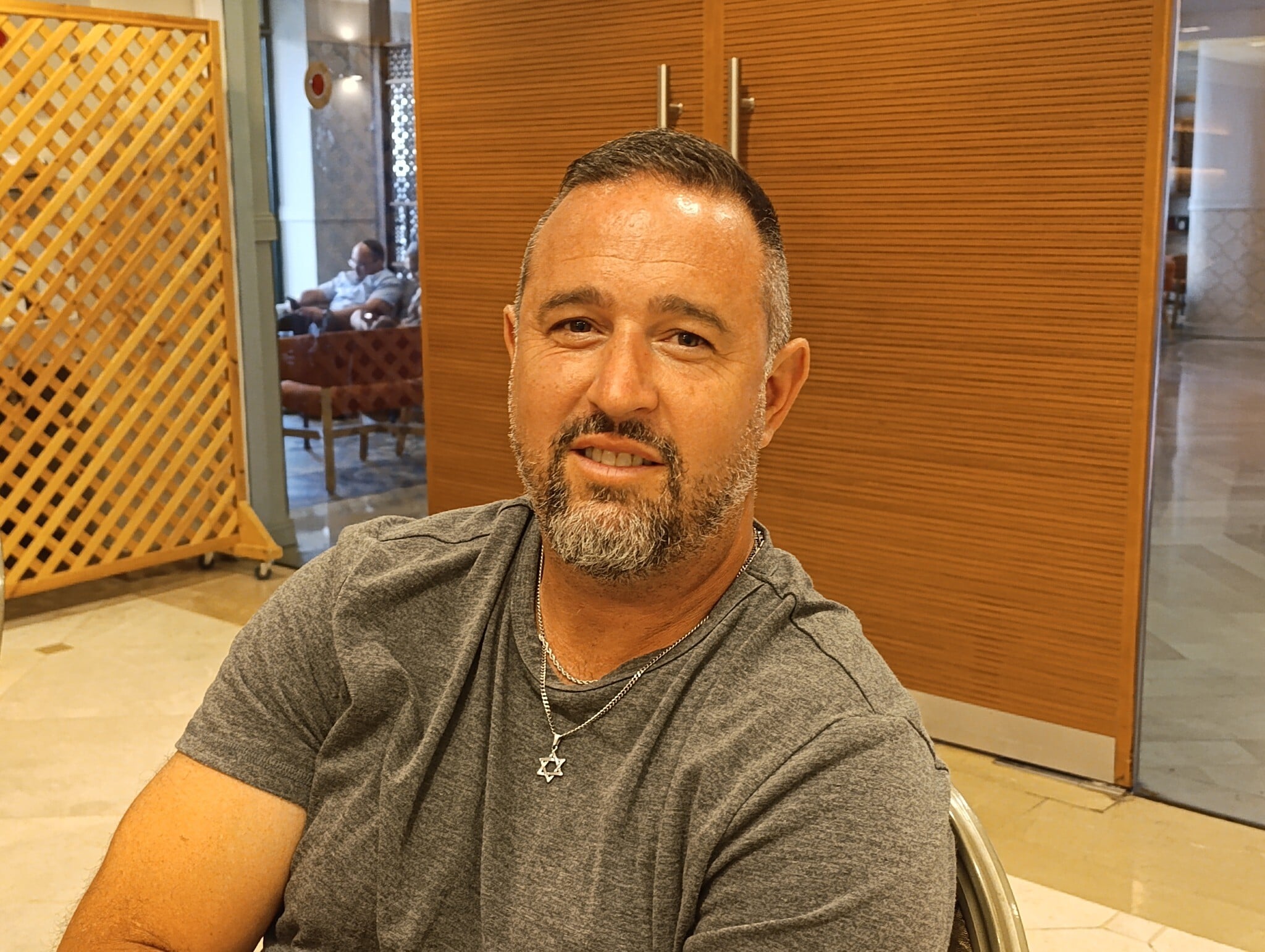
Dan Gold, executive director of UCLA’s Hillel, on a Maccabee task Force trip to Israel, July 6, 2026. (Zev Stub/Times of Israel)
Jack Elginer, a political science major, said he appreciated experiencing the empathy and compassion exhibited by the people he sees vilified in the media, and said he would seek to promote dialogue in the groups he works with.
“This tour did a great job of showing both sides of the conflict with fairness and nuance,” he said. “People need to understand that everyone here is a regular person who just wants to protect their families.”
For Gold, that’s exactly the kind of thing he was hoping to hear — even if he understands how difficult the road ahead will be.
“When these kids say they want to organize programs next year, I don’t think they understand the opposition they are going to face from their peers,” he said. “It may seem obvious to them now, but opening people’s minds on campus will require real bravery.”