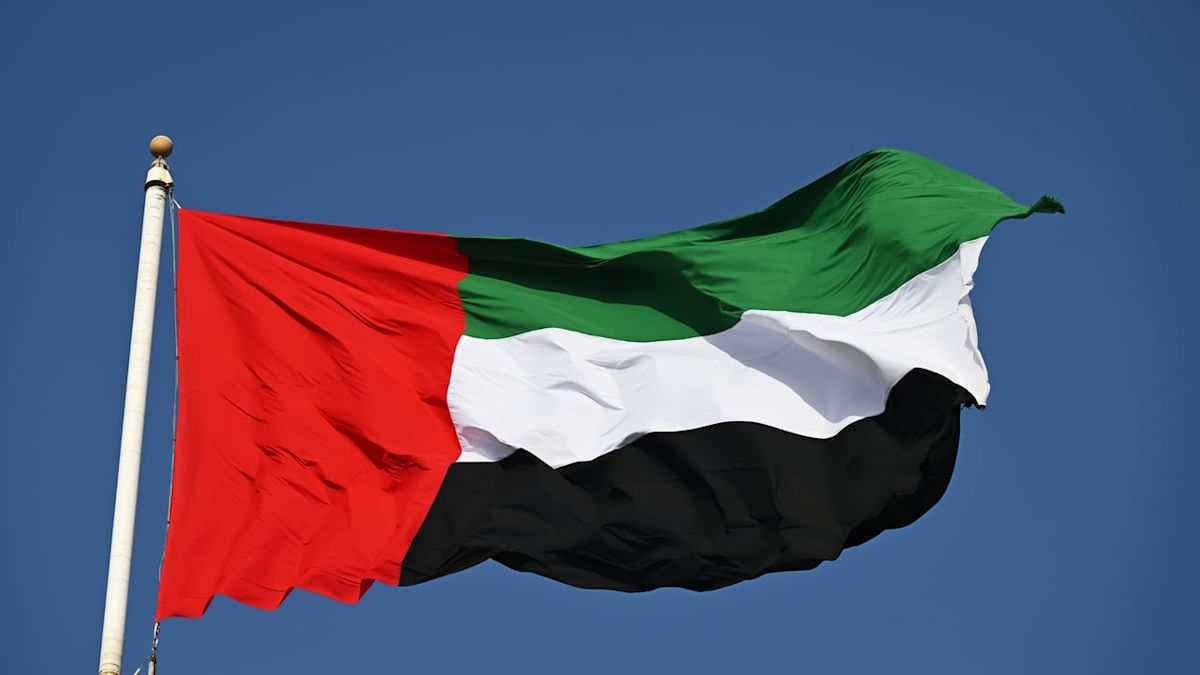
The United Arab Emirates halted all trade, commercial exchanges, and financial transactions with Iran on Wednesday, citing regional escalations that undermine peace and security, the UAE Ministry of Foreign Affairs said.
Afra Al Hameli, director of the Strategic Communications Department at the ministry, said the suspension would remain in place until further notice. Al Hameli also said the UAE remains committed to safeguarding the integrity of the international financial system, in line with international law.
Oil prices climbed on the news. By late morning, Brent crude futures were trading at $91.89 a barrel, up 87 cents or close to 1%, with U.S. West Texas Intermediate crude also in positive territory at $86.11 a barrel, a gain of $1.17 or 1.4%. Wednesday’s intraday peak for Brent marked the contract’s strongest level since July 30, while WTI’s session high had not been seen since July 31.
“Crude futures remain supported by the geopolitical tensions that remain in the Middle East, now with the UAE stating they have cut off all financial ties to Iran due to the latest missile attacks,” Dennis Kissler, senior vice president of trading at BOK Financial, told Reuters.
Traffic in the Strait of Hormuz stayed depressed on Wednesday, with tanker operators largely steering clear of the route while questions about the blockade’s end date went unanswered, Reuters reported. Before the conflict disrupted maritime traffic, the waterway had been the passage for around a fifth of the world’s oil and liquefied natural gas shipments.
On Tuesday, President Donald Trump said no talks were taking place with Iran and that the Strait of Hormuz was open. Iran said the waterway remained shut.
The trade suspension deepens a prolonged standoff between the two countries. Monday saw the expiration of a temporary ceasefire, after which a senior Iranian official said that Tehran was adopting a harder line as diplomatic efforts stalled. There were no reports of strikes by either side on Tuesday.
The broader crisis has its roots in a breakdown of an earlier accord. Iran set broad conditions — including sanctions relief, war reparations, and an end to U.S. military threats — that Washington would need to meet before the Strait of Hormuz could reopen. The two countries signed a memorandum of understanding on June 17 committing to open Hormuz to commercial traffic, but the agreement unraveled almost immediately amid fighting over permissible transit routes.
The International Energy Agency cut its 2026 global oil supply forecast last week, projecting a deficit of 1.8 million barrels per day in the third quarter of 2026 — more than double its prior estimate — as the breakdown of the ceasefire reversed a recovery in Gulf output.